Published : 14 May 2020, 09:22 PM
Updated : 08 Apr 2022, 02:31 AM


The religious affairs ministry in a notice on Thursday also issued some health safety guidance and threatened legal action if they are not complied with.
“Muslim devotees have been advised to avoid open-air Eid congregations considering the current state of coronavirus pandemic in Bangladesh and around the globe. We would like to request worshippers to offer Eid-ul-Fitr prayers at nearby mosques,” the ministry said in the statement.
The government imposed some restrictions on congregational prayers at mosques on Apr 6 after the first coronavirus case detected in Bangladesh. The number of people allowed to pray at mosques, including the imam, muezzin and other officials, has also been limited during Ramadan.
Bangladesh decided to allow Muslims again to attend congregational prayers in mosques under a set of safety protocols from May 7.
The mosque authorities and devotees must comply with those safety protocols as well to hold Eid congregations, the religious affairs ministry said.
The mosque can hold more than one Eid congregations as open-air prayers are not allowed this year, it added.
The safety protocols are:
In keeping with the hygiene rules to reduce the risk of contagion, mosques are not allowed to use common carpets for prayers while devotees are required to carry individual prayer mats from home.
The places of worship must be cleaned with disinfectants before every prayer session – five times a day. Mosques must also install hand-washing facilities equipped with soap and water or provide hand sanitiser at the entrances.
Devotees must perform their ablutions at home and wash their hands with soap for at least 20 seconds.
Worshippers must wear masks to the mosques while maintaining a space of at least three feet between each other when they line up for the prayers.
Children, the elderly, any sick person or those engaged in treating the sick will not be allowed to take part in congregations.
To ensure protection, the mosque authorities must follow the advices issued by the government’s health services, local administration and security forces.
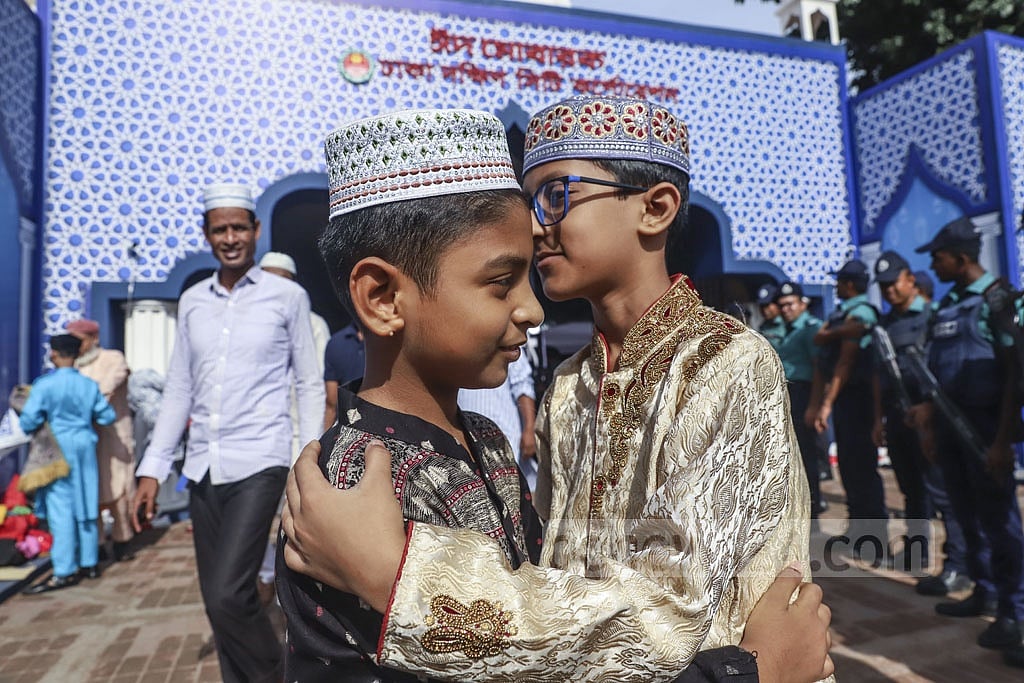
Worshippers cannot hug or shake hands to exchange Eid greetings once the congregation ends.
The imam and other officials have also been urged to offer prayers for protection from the coronavirus pandemic.
Failure to comply with these guidelines will be met with legal action, the ministry warned.