Published : 20 Sep 2026, 12:39 PM
Updated : 20 Sep 2026, 12:39 PM


Ishayat Shahriar Apratim has been laid to rest near his family home in Cumilla’s Gandhamati, where the 13-year-old was born and grew up, a day after his body was recovered from a secluded woodland in Lalmai hill.
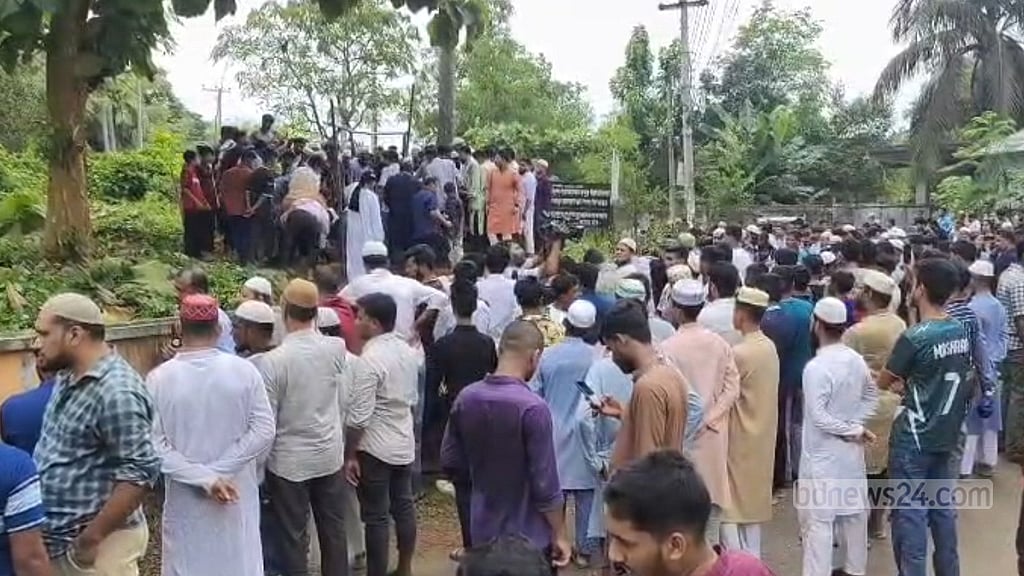
He was buried at Gandhamati Graveyard in Kotbari around 11:30am on Sunday following two funeral prayers that saw a sizeable turnout.
The first prayer was held at Comilla University’s central field around 10am, followed by a second at Gandhamati Eidgah ground near his home at 11am.
University teachers, students and local residents were among the large crowd that gathered to bid farewell to Apratim.
Apratim was the son of Nahida Begum, an associate professor in the Bangla Department at Cumilla University, and a seventh-grade student at the local Border Guard Public School.
He left his home in Kotbari on Friday afternoon, taking his mother’s iPhone and saying he was going to take photos with friends.
When he did not return, his father, KM Firoz Shahriar, filed a general diary with Cumilla Sadar South Police Station.
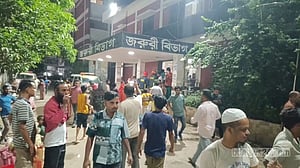
Apratim’s body was recovered around 1pm on Saturday near the Comilla University campus.
Police said there were signs of injury to his head. The iPhone he had taken with him was not found with the body.
His body was handed over to the family on Saturday night following a post-mortem at Cumilla Medical College Hospital.
Police have detained three people for questioning over Apratim's suspected murder after reviewing CCTV footage from the university and surrounding areas.
The footage showed Apratim travelling along several roads with one of those detained, according to police.
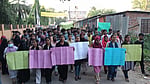
Comilla University students staged a protest on Saturday night demanding a proper investigation and justice over the killing. The university authorities also declared a day of mourning.
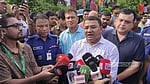
Police have yet to establish a motive for the killing and are expected to provide further details at a press conference on Sunday.
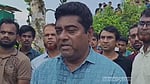
Comilla University Vice-Chancellor Prof MM Shariful Karim said Apratim’s paternal family was from Kushtia and his maternal family from Chandpur, but the house in Gandhamati belonged to his family.
“Apratim was born here and grew up in the Gandhamati area,” he said.
“He was therefore buried at the graveyard beside the house in accordance with his family’s wishes.”