Published : 29 Oct 2026, 01:23 AM
Updated : 29 Oct 2026, 02:20 AM


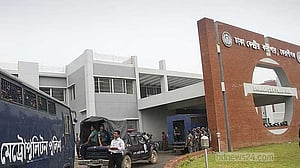
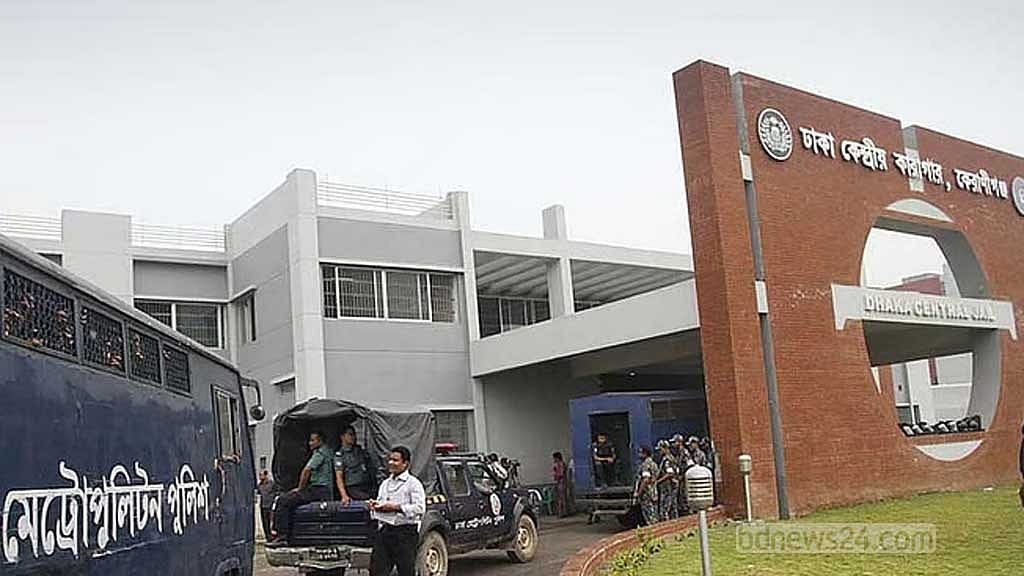
At Dhaka’s central prison, a man with a history of heart disease and diabetes felt severe chest pain. By the time guards brought him to hospital, three hours after his family was told he was ill, doctors could do nothing.
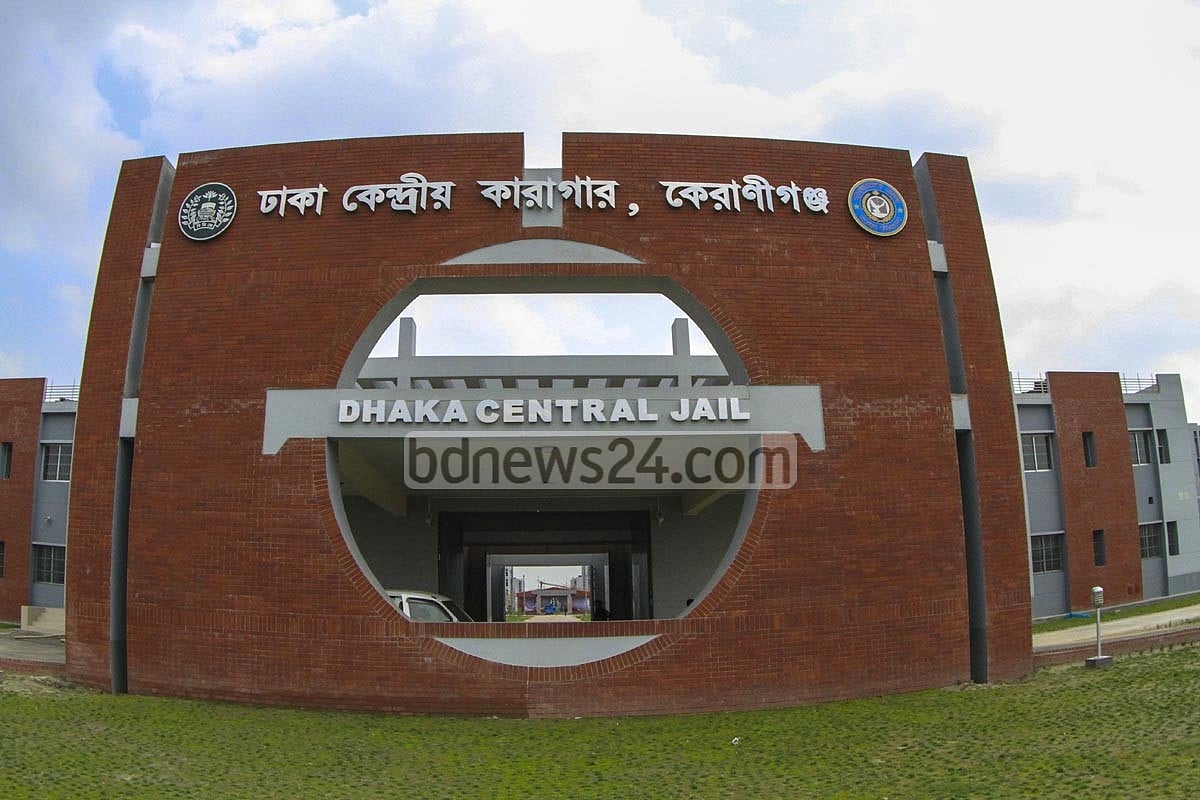
Rafiqul Islam, 59, worked as a security guard at a bank ATM booth in Dhaka’s Malibagh. Arrested in March in a case involving violence against women and children, he had been held at Dhaka Central Jail in Keraniganj.
He had undergone five or six operations, including surgery for a brain tumour, and needed regular medical care, his son Siraj Hossain told bdnews24.com.
“Father was physically ill, and sometimes he had chest pain,” Siraj said. “He had to see a doctor regularly and was on medication.”
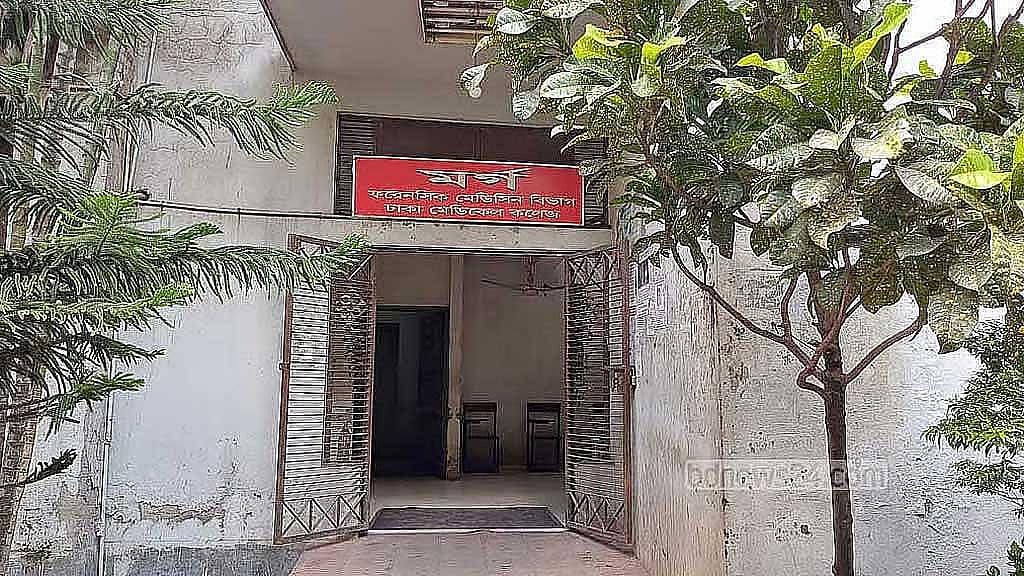
Rafiqul spoke to his family by phone on Friday, asking them to send him money. They were preparing to do so when the prison called on Saturday to report his illness and transfer to Dhaka Medical College Hospital. He was declared dead at about 3:30pm.
“He had diabetes and could not walk properly. He could not eat. There was no treatment, only the medicine they gave him there. No check-up, nothing,” Siraj said.
“If you take a heart-attack patient to hospital three hours later, can he survive? They say there was traffic. We came to the hospital and found father dead.”
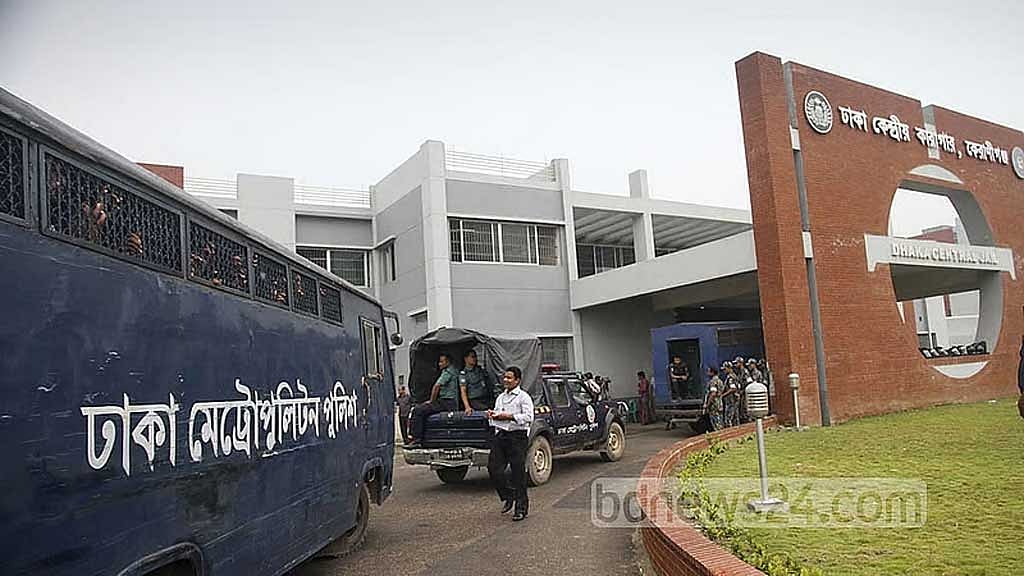
Rafiqul was one of at least 251 prisoners who died in custody during the first nine months of this year, most at outside hospitals or on the way there.
The authorities describe such deaths as illness-related, often involving heart disease, and say the overall rate has not risen.
“We cannot say the numbers have increased at an alarming rate. This rate has broadly remained the same for the past five or six years,” said Lt Col Mohammad Akhtar Hasib Dewan, deputy inspector general of prisons for health. “But our expectation is that we are not willing to accept even one death like this. Every such death is deeply distressing for us.”
For lawyer and human rights activist Nur Khan Liton, the issue is one of state responsibility.
A person in prison is in state custody, he said, and the state must provide healthcare, food and accommodation. In Bangladesh’s prisons, he added, medical care is “not just disrupted; it is almost non-existent”.
“The state cannot evade its responsibility by saying there are too few doctors, no ambulance or that the prisoner could not be transferred to hospital in time. This is an extreme violation of human rights,” he told bdnews24.com.
Deaths behind Bars
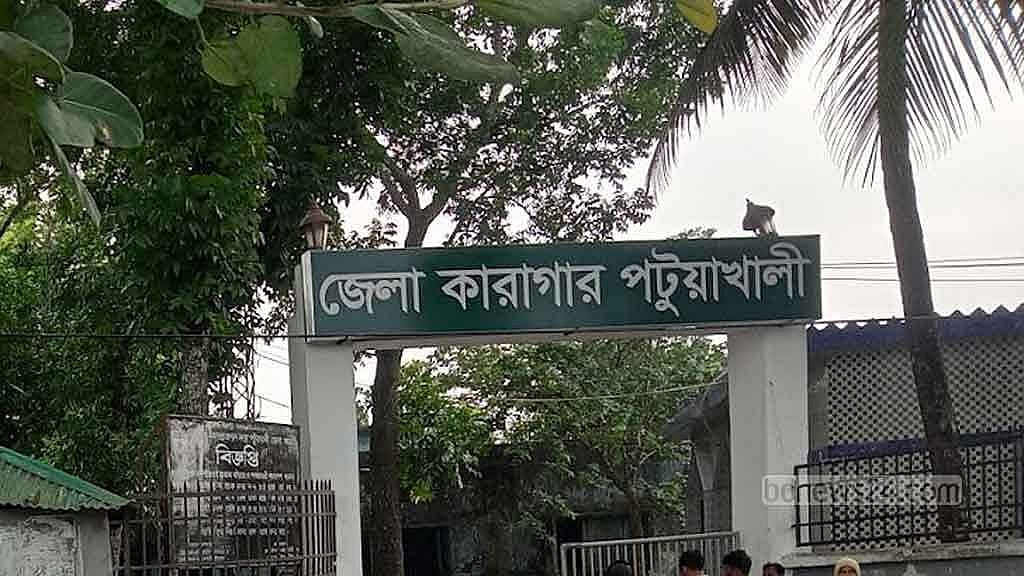
Department of Prisons figures show 1,413 deaths in custody between 2021 and 2025.
Only three occurred in prison hospitals in 2021; 907 prisoners died in outside hospitals, 496 while being taken to hospital, and seven by what authorities classified as suicide.
Annual totals were 351 in 2021, 223 in 2022, 377 in 2023, 321 in 2024 and 188 in 2025. At least 251 prisoners died in the first nine months of 2026.
Ain o Salish Kendra, a private rights organisation, found that detainees awaiting trial accounted for more deaths than convicted prisoners.
Based on deaths reported in newspapers, it recorded 102 deaths in the first nine months of 2026: 60 among remand prisoners and 42 among those convicted. Dhaka Division accounted for 64.
Human rights activist Abu Ahmed Faizul Kabir said prisoners’ health histories were often poorly documented and managed. Some entered jail already ill; others became sick while awaiting trial.
“If someone goes to prison with diabetes, how will they get insulin? The prison does not provide insulin. If the prison doctor writes a prescription, it takes time to arrive and then time to arrange,” he said. “Heart and diabetes patients are especially vulnerable.”
In January, the prisons department warned jail superintendents that more prisoners were arriving at hospitals dead and instructed them to take measures to prevent deaths in transit.
Overcrowding, Understaffing
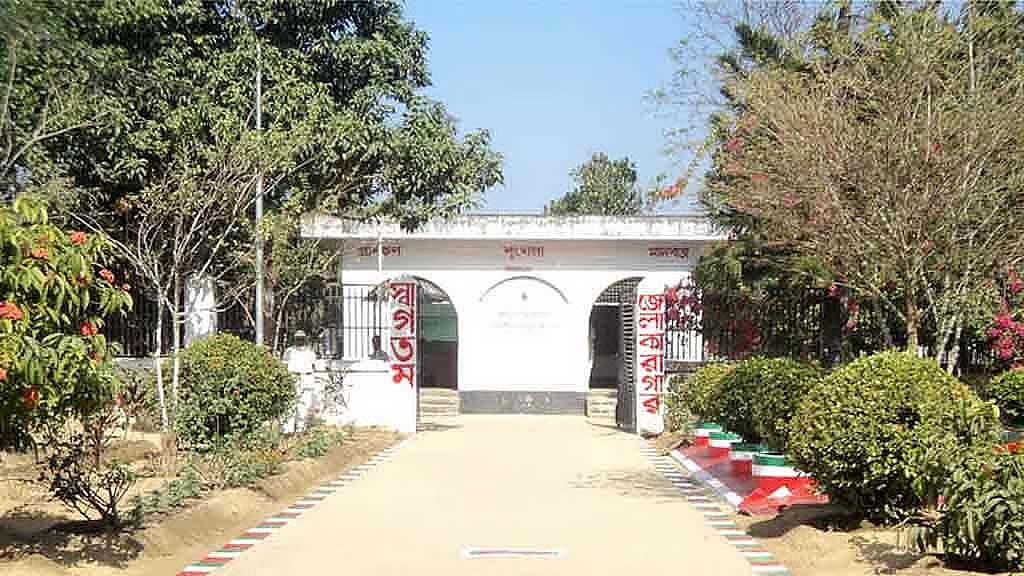
The crisis is unfolding as prisons fill far beyond capacity. The country’s 75 prisons, 15 central and 60 district facilities, are designed for 45,186 people. In June 2024, before the fall of the Awami League government, the prison population stood at 67,532; it rose to 79,335 in July.
There were 80,345 prisoners in February this year, and by mid-October the figure had exceeded 110,000.
The prison department says arrests have increased to maintain law and order, including in political cases, while delays in bail keep detainees inside.
October figures show about 3,400 people enter prison each day, while roughly 3,100 secure bail. The net increase of around 300 a day adds at least 9,000 prisoners a month.
The Nelson Mandela Rules, adopted by the United Nations in 2015, state that inhumane conditions, denial of necessary medical care and indignity must never form part of a sentence. The state is responsible for prisoners’ lives, health and safety while they are in its custody.
Yet across 75 prisons, only two doctors are currently posted on deputation against 162 approved positions.
Another 97 doctors from public hospitals visit at set times, usually for about two hours a day. Just 29 diploma nurses fill 101 posts; five laboratory technicians work against 11 positions, and nine of 76 pharmacist posts remain vacant.
No prison has a full-time psychiatrist, and none has a gynaecologist for women prisoners.
A doctor at Dhaka Central Jail said more than 13,500 people were held there. At least seven doctors should serve its hospital, but only two were attached to the facility.
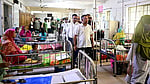
“No specialised treatment is provided in prison hospitals. Sick prisoners are sent to specialised hospitals in Dhaka. Even where medical equipment is available, very few tests are done because of staff shortages,” the doctor said.
Doctors are reluctant to take prison posts because they are non-cadre positions, with fewer opportunities for promotion or higher degrees and no access to official transport on the same terms as other government institutions.
Equipment without StaffA ambulances without Patients
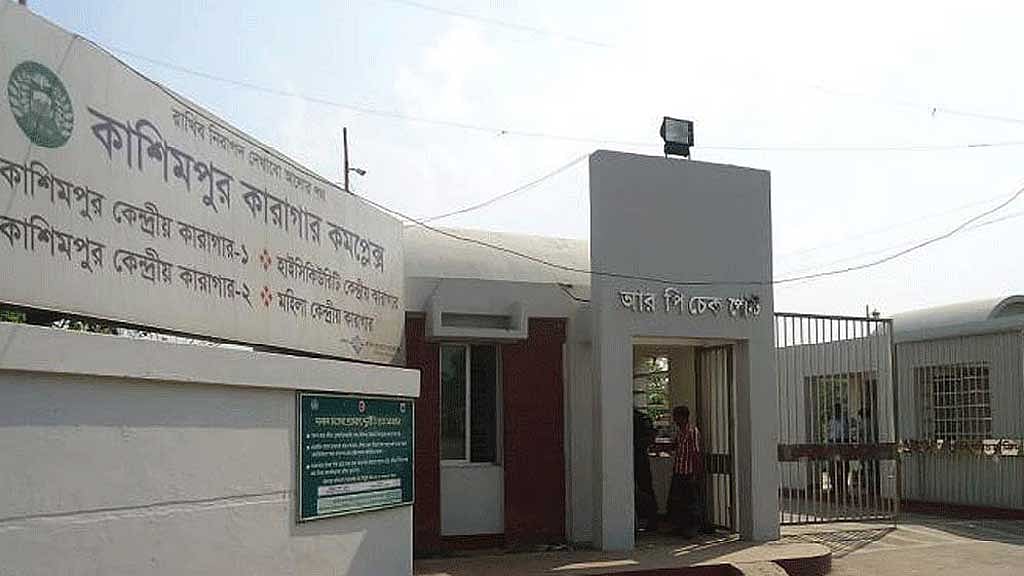
Hospitals built inside prisons have often remained little more than buildings and boxed equipment. A 200-bed hospital at Kashimpur Central Jail-2 was completed in 2005.
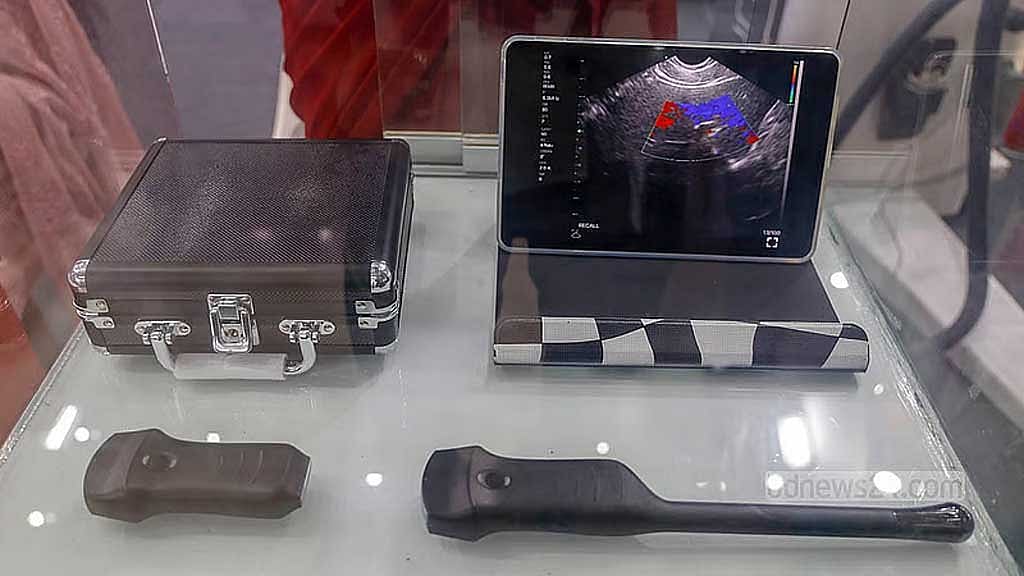
Operating-theatre equipment, an X-ray machine and later an ultrasound machine were bought, followed by pathology equipment, at a combined cost of about Tk 90 million. But its approved staff of 150, including consultants and medical officers, were never appointed.
Equipment worth about Tk 30 million bought for prisons in Chattogram, Keraniganj and Khulna has also largely gone unused. Hospitals with 100 beds in Chattogram, 170 in Khulna and 172 in Keraniganj similarly lack the staff needed to operate them.
The 75 prisons have only 21 ambulances. Sick prisoners are often moved in pickup trucks or a superintendent’s vehicle, sometimes without oxygen or the ability to provide fluids.
“When a patient’s condition worsens and we decide to take them to the nearest hospital, how do we transport them?” Akhtar Hasib Dewan said.
“Sometimes we hire a private vehicle in a hurry. If there is no ambulance, I cannot give oxygen or saline. How can a patient be transported in a double-cabin pickup?”
The official said recruitment of 55 diploma nurses was nearing completion and a project to buy 44 ambulances was at its final stage.
He said prison healthcare also required cooperation from the Directorate General of Health Services, since each prison hospital’s chief executive medical officer is the district civil surgeon.
“Under the current system, there is only one process for filling doctor posts: deputation from the health ministry,” he said.
Professor Md Zahid Raihan, additional director general for administration at the Directorate General of Health Services, said staffing shortages made it impossible to meet every demand.
Doctors were generally assigned on deputation, he said, but established posts should be filled accordingly.

For Rafiqul’s family, the explanations came too late. His son Robiul Islam alleged that prison authorities had refused to accept his father’s medical records.
Prison district officer Masud Hasan denied that claim, saying prescriptions and medicines could be submitted through a booth at the prison gate and delivered to inmates free of charge.
Another prisoner, 19-year-old Mehedi Hasan, died at Dhaka Medical College Hospital on the same Saturday after being taken there ill. He had been detained since April in another case involving violence against women and children.
His family said he had complained of fever and cold symptoms for days and had asked to be released because he was unwell. His death certificate listed irreversible cardiorespiratory failure, meningoencephalitis and aspiration pneumonia.
“If he had received proper treatment, this would not have happened,” his cousin Nazmul said.
Behind the official figures are families left to ask whether timely care might have saved someone in state custody.