


Published : 30 Aug 2013, 06:04 PM
Updated : 09 Aug 2022, 11:04 AM


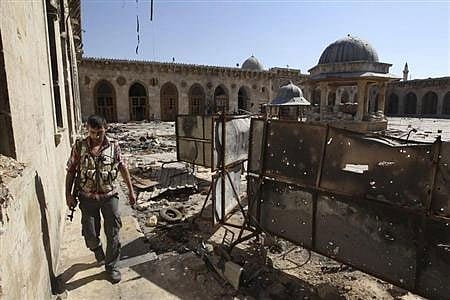
Clashes have damaged historical sites and buildings throughout the country, from Aleppo's Umayyad Mosque to the Crac des Chevaliers castle dating from the 13th century Crusades.
But the most irreversible damage comes from the illegal looting of artefacts from archaeological sites for export, said the UN cultural arm's assistant director-general for culture, Francesco Bandarin.
"We had it in Iraq, we had it in Afghanistan, in Libya, in Mali," Bandarin said. "It is a typical by-product of war. Unfortunately it's very difficult to stop."
Organized, armed gangs sometimes involving hundreds of hired men who threaten local residents against retaliation are taking advantage of a lack of security at many archaeological digging sites.
A comparison of satellite images from before the crisis and today at Apamea, known for its extensive Hellenistic ruins, shows clearly the scale of looting and destruction, UNESCO said.
Precious objects have been identified for sale in Beirut and international police agency Interpol has confiscated 18 Syrian mosaics and 73 other artefacts at the Lebanese border, the agency said. It has appealed to neighbouring countries to better control their borders against the trafficking of art.
UNESCO's warning comes as the West considers whether to launch a military strike against Syrian response to last week's chemical weapons attack that killed hundreds of people.













