Published : 26 Oct 2026, 09:51 PM
Updated : 26 Oct 2026, 09:51 PM


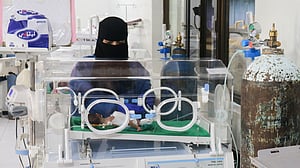
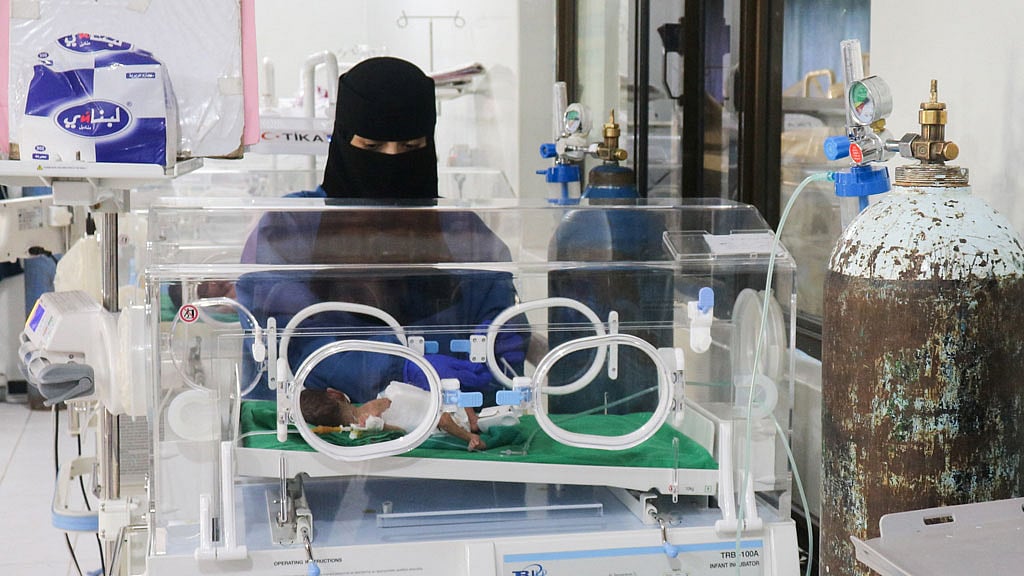
Fuel shortages in Yemen's besieged city of Taiz have forced one hospital to cut the number of incubators it can operate from 40 to 10, putting newborn babies at risk as weeks of fighting choke off vital supplies and deepen a humanitarian crisis affecting hundreds of thousands of people.
"There's no oxygen, there's no fuel to run the incubators, to keep the babies warm," said Nada Ahmed, a nurse in the neonatal unit of the Yemeni-Swedish Hospital for Maternity and Childhood.
Nawal Najeeb, a supervisor in the neonatal unit, warned the facility could be forced to halt operations if fuel supplies do not arrive.
"It will be a catastrophe for the babies, a catastrophe of deaths and disabilities."
Taiz has been largely isolated since Oct 3, with fighting preventing humanitarian supplies from entering and civilians from leaving, following an escalation in clashes between the Saudi-backed government and the Iran-aligned Houthi movement.
FUEL PRICES SURGE
Key supply routes, including the Taiz-Aden corridor, have been blocked by Houthi forces, worsening shortages of water, food and fuel. The city hosts nearly half of the 250,000 people displaced by the latest fighting, according to the United Nations.
In Taiz city, 42 health facilities are reporting acute shortages of fuel, oxygen, medicines and medical supplies, WHO spokesperson Christian Lindmeier said.
Fuel prices have surged to 2,000 Yemeni rials per litre, driver Abdullah al-Radfani told Reuters.
Oxfam Yemen's policy, advocacy and media manager, Fatma Jaffar Shotah, described one dialysis patient who has to spend two nights at a healthcare centre rather than travelling home between sessions because regular journeys have become unaffordable, with the cost rising from half a dollar to around $10.
"Fuel shortage inside the city is having catastrophic impacts on people's lives," she said.
The strain is being felt beyond Taiz. Aid group Médecins Sans Frontières (MSF) said fuel shortages were causing power outages at hospitals and primary healthcare centres in the southern governorates of Aden and Lahj, affecting operating theatres and intensive care units.
HUNGER AND MALNUTRITION
UN agencies and aid groups also warned of worsening hunger and malnutrition. The World Food Programme says that more than 800,000 people have been cut off from food assistance in Taiz and surrounding areas.
UNICEF spokesperson Ricardo Pires said 52,000 of the 168,000 children screened in Taiz so far this year are acutely malnourished, including more than 11,500 suffering from severe acute malnutrition.
Although UNICEF has put in place nearly 8,000 cartons of life-saving therapeutic food, enough to sustain treatment services for around three months, Pires warned that worsening insecurity and movement restrictions could hamper future deliveries and prevent families from reaching treatment centres.
MSF said growing displacement was aggravating child malnutrition in southern Yemen, an area which has already faced a long-standing hunger crisis, as families flee fighting in the north and along the west coast.
Between Sept 15 and Oct 22, MSF screened 299 children under 5 at its mobile clinics in Aden and Lahj. Forty-four children, or 14.7 percent, were suffering from moderate acute malnutrition, while 28 children, or 9.4 percent, were severely malnourished and in need of hospital care.
"In each location we go, on a daily basis, we see at least one or two children who are in severe acute malnutrition," said MSF's mobile health activity manager, Sara Ghanem.