Published : 10 Nov 2026, 08:02 PM
Updated : 10 Nov 2026, 08:02 PM


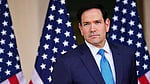
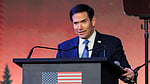
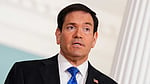
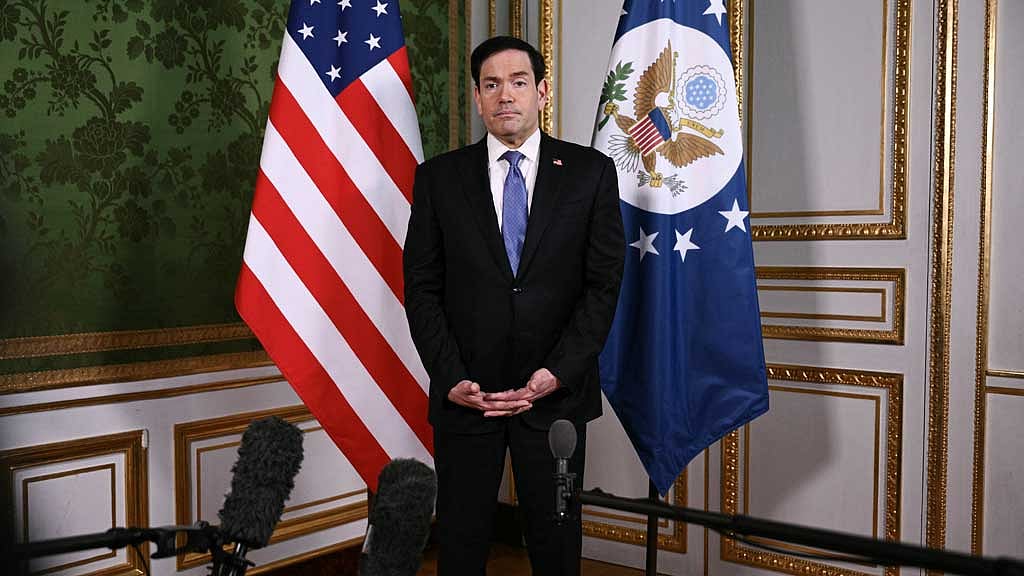
US Secretary of State Marco Rubio told G7 foreign ministers on Tuesday that the US would keep imposing "devastating" economic costs on Iran, saying it had options beyond war or agreeing to unacceptable Iranian demands, four G7 diplomats said.
Rubio's comments came during a meeting in Paris of foreign ministers from the Group of Seven, which comprises Britain, Canada, France, Germany, Italy, Japan and the United States, as well as the European Union.
The diplomats said Rubio had used strong language to describe the Iranian authorities. Two said he had referred to them as "lunatics".
The diplomats quoted Rubio as saying that, rather than resuming the war or accepting Iran's demands, Washington's current policy of tough economic sanctions was working and limiting Tehran's ability to fund its regional activities and proxies.
"Rubio said that they will continue with... (imposing) devastating economic operating costs on Iran," said one of the diplomats, who all spoke on condition of anonymity.
Rubio's comments came a day after US President Donald Trump said he planned to hold off on new military strikes against Iran for the time being after appeals from countries in the region, including Qatar's prime minister during talks at the White House.
Trump also said he planned to maintain a naval blockade on Iran in the Strait of Hormuz for now.
Qatar's PM is in Paris after meeting Trump
After his talks with Trump, Qatari Prime Minister Sheikh Mohammed bin Abdulrahman Al-Thani, a key intermediary with Iran, made an unscheduled stop at the G7 foreign ministers' meeting in Paris. He met there with ministers from European countries and Saudi Arabia.
According to two European diplomats, Sheikh Mohammed expressed cautious optimism after his talks in Washington that a diplomatic solution to the crisis remained possible instead of further escalation.
Some of Trump's top advisers, including Rubio, newly installed White House Chief of Staff Stephen Miller and Treasury Secretary Scott Bessent, support maintaining heavy economic pressure on Iran, according to one diplomat.
Vice President JD Vance, who has blamed Republican losses in last week's midterm elections on the Iran war, prefers a deal with Iran. Trump, however, believes for now that a tenable deal is not possible, the diplomat said.
The White House did not immediately respond to a request for comment.