Published : 23 Sep 2026, 01:19 PM
Updated : 23 Sep 2026, 01:19 PM


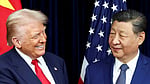
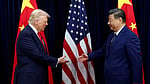
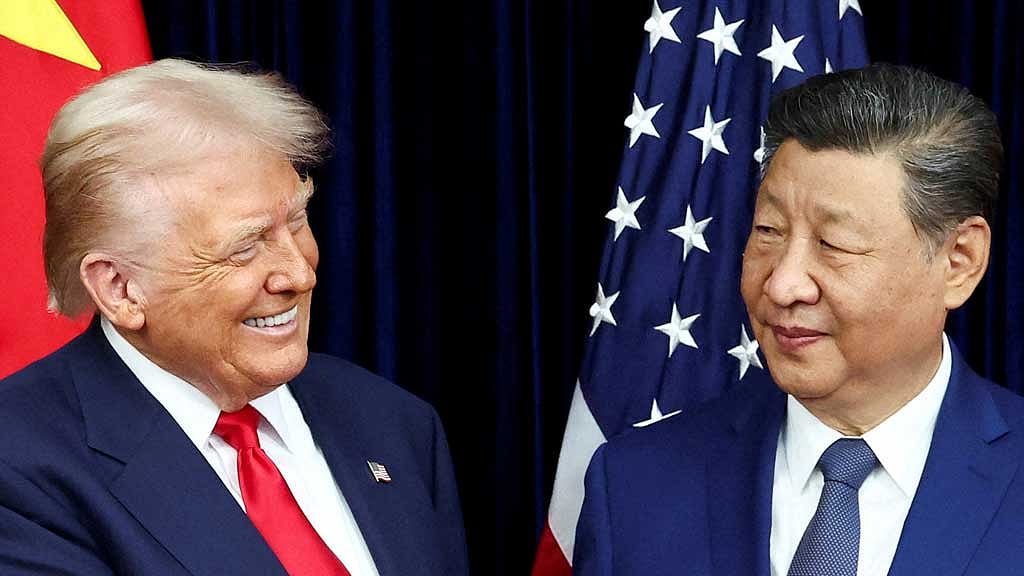
US President Donald Trump is set to host Chinese President Xi Jinping in Washington this week, with trade, artificial intelligence and Taiwan among the key issues expected to feature in their talks.
Xi is expected to be greeted personally by Trump at Andrews Air Force Base on Wednesday, followed by a White House welcoming ceremony on Thursday featuring a military flyover and nearly 500 military personnel, the BBC reports.
It will be Xi’s first visit to the United States in more than a decade and his third meeting with Trump since the president began his second term.
The high-profile visit comes as a US-China trade agreement reached last year is due to expire in November.
Under the trade truce agreed in October 2025, Washington suspended steep tariff increases on Chinese goods while Beijing eased restrictions on rare earth exports, which are important to global manufacturing.
Analysts will be watching for any announcement on extending the agreement during Xi’s visit.
US and Chinese officials held trade talks on the sidelines of the UN General Assembly on Tuesday but made little progress, according to the BBC.
Discussions focused on non-tariff trade issues and agricultural exports, with negotiations expected to continue in Washington after Xi’s arrival.
Trade and AI
Trade is expected to be a major issue for Trump, who has repeatedly criticised the US trade deficit with China.
The deficit stood at more than $91 billion, according to the latest US Census Bureau data. Chinese rare earth exports to the US have also remained below previous levels despite last year’s agreement.
Artificial intelligence is another issue gaining prominence in the US-China relationship.
The two countries are competing for technological leadership in AI, while concerns over the technology’s security risks have intensified, said the British broadcaster.
David Firestein of the Bush China Foundation said AI had rapidly moved towards the top of the agenda ahead of the visit. He expects the leaders to discuss possible areas for cooperation.
Trump has described winning the AI race with China as a major objective, while some US lawmakers and former administration officials have called for stronger safeguards and limits on AI development.
Taiwan Remains a Sticking Point
Taiwan is also expected to feature in the talks.
The US Congress has approved a multibillion-dollar arms sale to Taiwan that is awaiting Trump’s signature. Trump has so far held off on approving it, viewing the move as a bargaining chip in negotiations with Beijing, according to the BBC.
China claims Taiwan as part of its territory and has not ruled out the use of force to bring the island under its control.
David Firestein said Xi could seek a commitment from Trump to further delay or avoid the arms sale.
High-Profile Welcome
Xi’s visit, which ends on Friday, will include formal ceremonies, dinners, private tours and other events.
David Sacks, a fellow for Asia studies at the Council on Foreign Relations, described the planned welcome as unusual, pointing to Trump’s decision to meet Xi at Andrews Air Force Base and arrange a military flyover.
The visit comes as both countries face economic pressures and domestic political differences over how to manage relations.
Some members of Trump’s administration and his supporters remain deeply sceptical of China. US Transportation Secretary Sean Duffy, for example, urged Ford Motor Company in September to reduce its ties with China, citing national security and American jobs.
Despite the differences, Trump has stressed the importance of maintaining direct contact with Xi.
Stephen Orlins, president of the National Committee on US-China Relations, said Trump believes frequent meetings with Xi can help prevent the relationship from becoming confrontational.