Published : 18 Sep 2026, 06:14 PM
Updated : 18 Sep 2026, 06:14 PM


A Pakistani media watchdog has raised concerns over data privacy following recent agreements between Google and the government, calling for greater transparency and safeguards.
Freedom Network sent an open letter to Google and the Pakistani government seeking details of the partnership and safeguards against surveillance, censorship and unrestricted access to citizens’ personal information, Dawn reports.
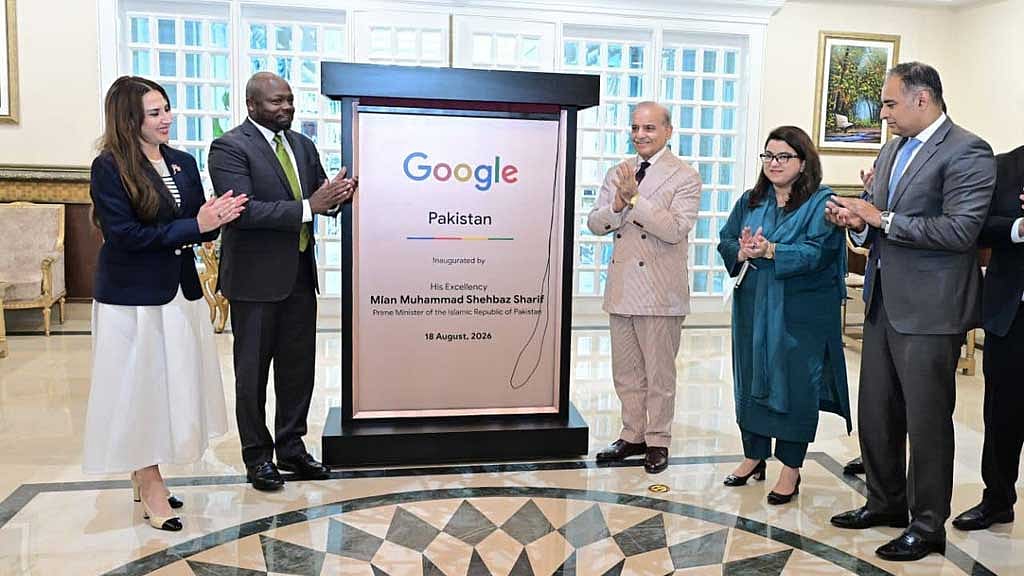
The Islamabad-based watchdog welcomed the agreements following Google’s opening of an office in Pakistan to support the country’s digital vision, the Pakistani daily said.
But it raised concerns that details of the agreements had not been made public, it added.
Freedom Network reportedly asked what had been agreed and whether Google or the government would publish all MoUs, agreements, contracts and other arrangements.
It also asked who had decided which provisions should remain confidential and under what law.
The watchdog questioned whether there were undisclosed commitments on access to user data, content, metadata or government databases.
It wanted to know when Pakistani authorities could request Google user information and whether such requests would require valid legal process and judicial oversight.
It also asked whether Google would reject requests that were vague, overly broad or inconsistent with fundamental rights, according to Dawn.
MoUs, Agreements
Freedom Network specifically asked whether the agreements contained safeguards against government access to journalists’ Gmail, Google Drive, photos, YouTube accounts, search-related information or other data that could expose confidential sources, Dawn said.
The watchdog also urged Google not to remove content simply at a government agency’s request.
Requests to block or remove content, it said, should instead be assessed under transparent legal standards, with users given notice and a chance to challenge decisions where legally possible.
Freedom Network also questioned where Pakistani citizens’ data would be stored as the country developed a national data-governance framework promoting data sovereignty, minimum disclosure and the right to know who had accessed personal information.
“Will Pakistani users’ data be stored in Pakistan, overseas, or both?” it asked Google.
“There should not be informal or undocumented data-sharing arrangements between Google and the Pakistan government,” the watchdog said.
It also asked who would independently audit Google’s compliance with privacy and human rights safeguards in Pakistan.
The answer, Freedom Network said, should not simply be the government.