Published : 21 Oct 2026, 01:15 AM
Updated : 21 Oct 2026, 01:58 AM


The trouble for the Bangladesh Nationalist Party (BNP) is that the questions raised by Ishraque Hossain’s resignation reach far beyond one state minister and one controversial video.
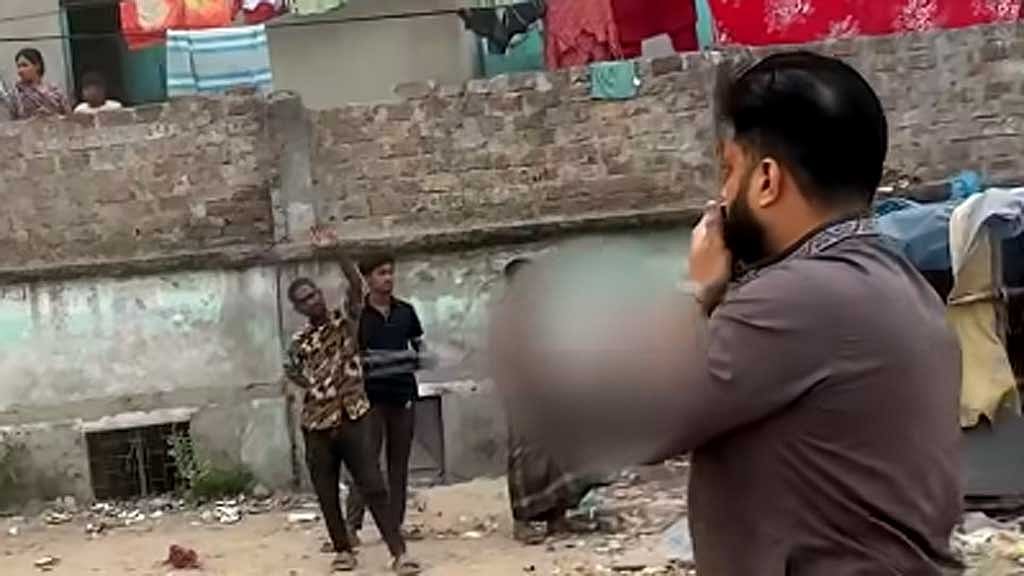
When footage emerged of the state minister carrying a firearm during an “anti-drug operation” in Dhaka, the fallout was swift: he stepped down, reportedly at the direction of Prime Minister and BNP Chairman Tarique Rahman.
But inside the ruling party, the decision has opened a more uncomfortable debate over discipline, fairness and who gets held to account.
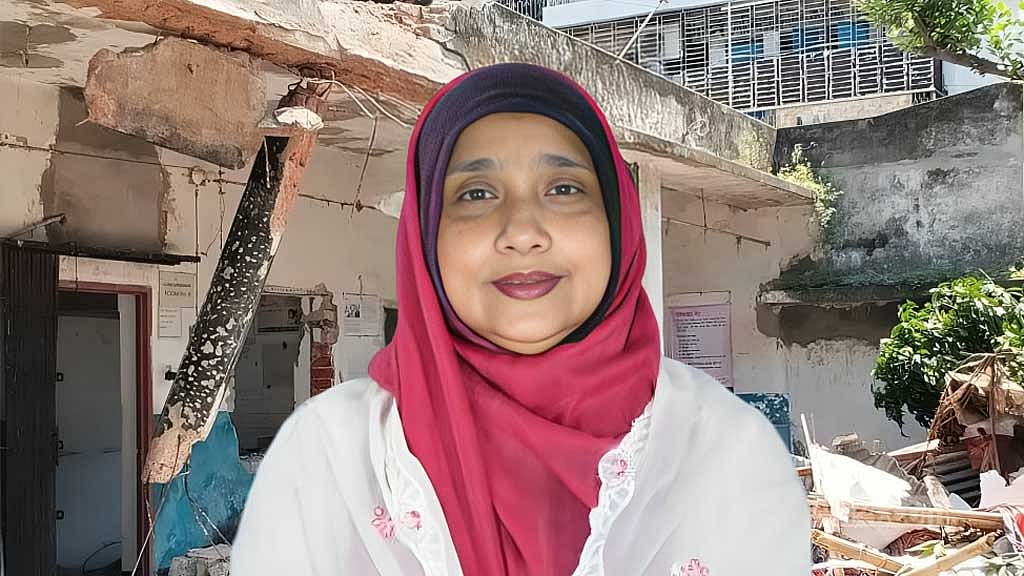
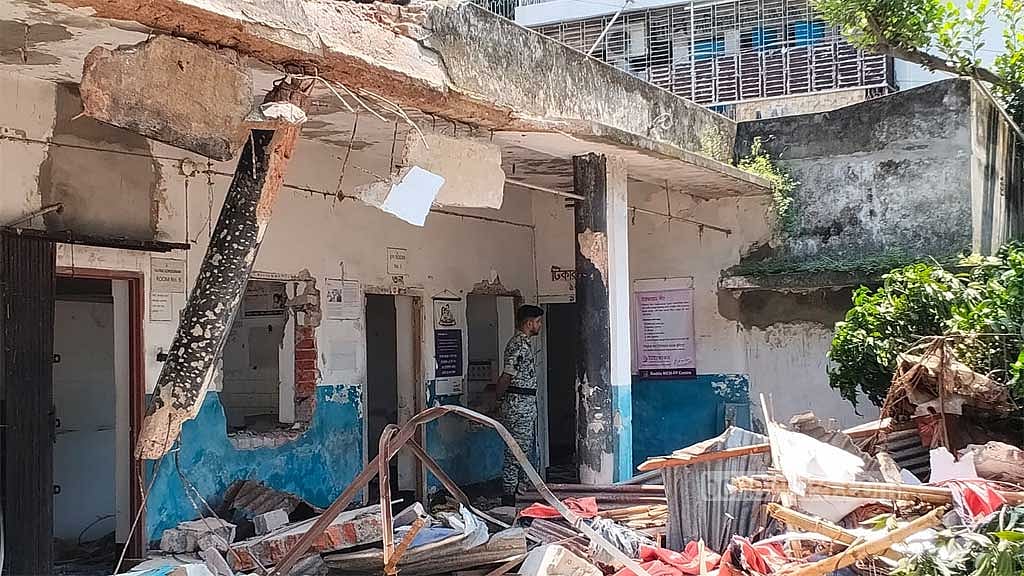
Just 18 days earlier, reserved-seat MP Ferdousy Ahmed Mishti had resigned after an attack on the Radda MCH-FP Centre in Dhaka’s Mirpur and an attempt to take control of the facility.
The BNP took organisational action over that incident, too. Now, with Ishraque forced out of the cabinet but retaining his parliamentary seat and party position, some members are asking whether the leadership is drawing a consistent line against misconduct -- or making examples of a select few.
The stakes extend beyond two resignations.
Since the BNP formed the government in February, allegations of extortion, land-grabbing and other misconduct by party activists have surfaced across the country.
The leadership’s response to Ishraque’s case has therefore become a test of how far it is willing to go to enforce discipline within its own ranks.
Some analysts see a party struggling to establish institutional authority; others regard the resignation as an excessive penalty for a serious but correctable lapse.
Senior government figures, meanwhile, argue that the leadership could not stand aside when the party’s image was at risk.
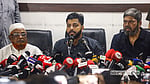
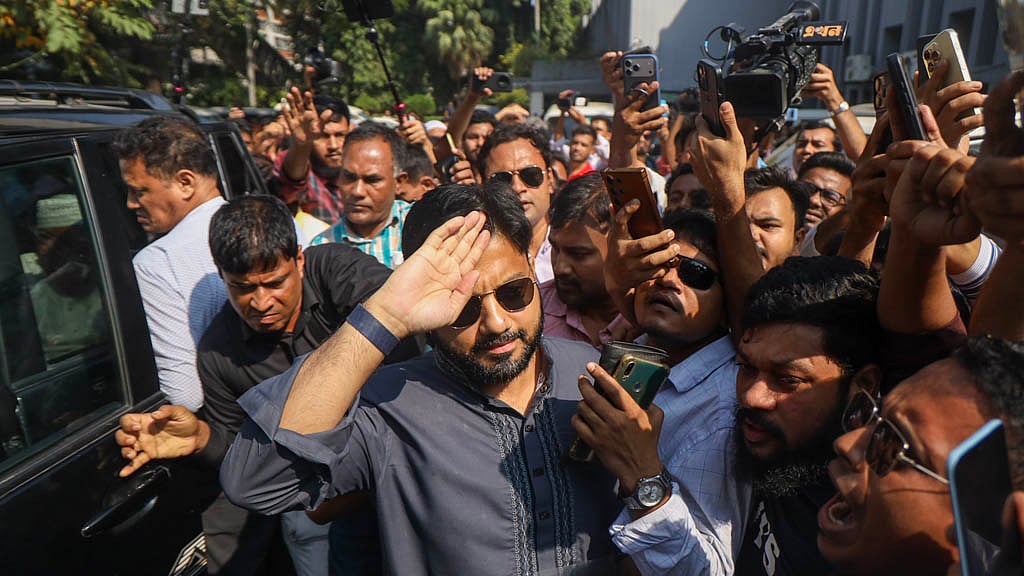
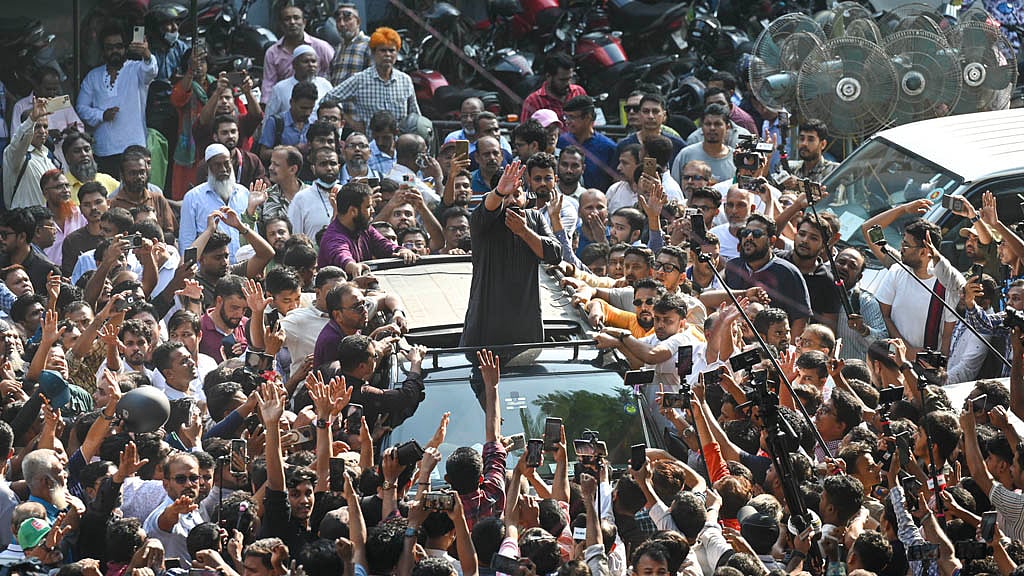
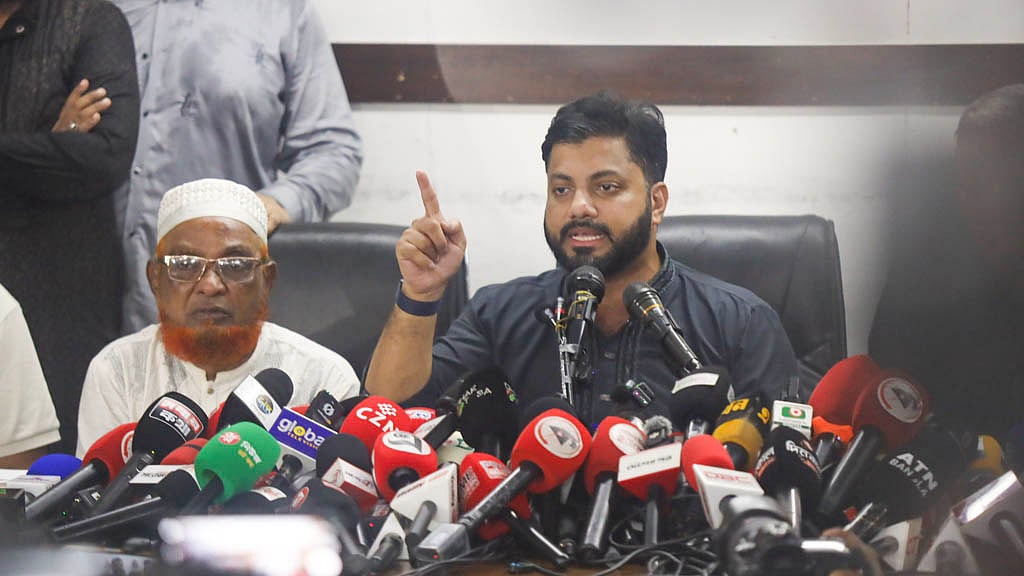
Ishraque, son of former Dhaka mayor Sadeque Hossain Khoka, announced his resignation as state minister for Liberation War affairs at a news conference on Monday.
He remains an MP and a member of the Dhaka South BNP convening committee, as well as the BNP chair’s advisory committee on international affairs.
He said he wanted to ensure that neither the BNP nor the government was “embarrassed” and that the prime minister’s work did not “fade into the background”.
Reports said Tarique had instructed him to resign, as he had Mishti.
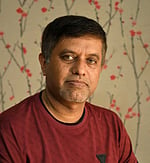
Political analyst Asif Shahan, a Dhaka University development studies professor, told bdnews24.com: “It is clear from the government’s activities that they are facing many difficulties in maintaining institutionalism within the party.
“At the same time, there are other people in the government, and there are difficulties in making their work dynamic.”
He sees the resignations as part of “maintaining internal discipline” and the party’s “activities”.
Finance and Planning Minister Amir Khosru Mahmud Chowdhury disagreed.
“No, no, you have to take a position. If a situation arises … and the image is damaged, you have to take a position,” he said.
A Punishment Too Harsh?
Interviews with six ministers and state ministers, five senior BNP and allied-organisation leaders, and three younger party figures revealed five recurring concerns: that Ishraque had received “a severe punishment for a minor offence”; that others accused of misconduct faced no consequences, raising questions about “transparency”; who had advised him to join the operation; whether his public criticism of law-enforcing agencies as a state minister contributed to his resignation; and whether the episode reflected a growing political tendency to “show off”.
Jamaat-e-Islami chief and opposition leader Shafiqur Rahman, asked about the incident in Chattogram on Tuesday, said there was no reason to describe Ishraque’s actions as “negative”, though it would have been better if he had not carried a firearm.
A BNP Standing Committee member said he was upset.
“We all love and care for Ishraque. I do not know why he did this. I am also hurt by this decision.” He declined to be named, saying he did not want to cause the young man further distress.
Cabinet and Standing Committee Member AZM Zahid Hossain said, “The prime minister has made this decision; I have nothing to comment on.”
Why This Case, and Why Now?
Tarique said in a Facebook post last September that organisational action had been taken against more than 7,000 party members over different allegations.
Since taking office in February, the BNP government has faced allegations against party activists of extortion, displaying firearms and grabbing property.
The party has not provided a consolidated figure for expulsions or disciplinary measures.
After the Radda health centre attack and looting, the BNP dissolved the Dhaka North metropolitan committee on Sept 30, along with the Dhaka North Jubo Dal and Dhaka West Chhatra Dal committees. Several leaders were expelled. Mishti resigned on Oct 1.
Asked whether others would face action, BNP Vice-Chairman and Chief Whip Nurul Islam Moni told bdnews24.com: “Only Prime Minister Tarique Rahman can explain this. The amount of information he has or receives is not available to us. So we cannot give you the proper explanation. Only he can say how he assessed this incident and in what context.”
Who Advised Ishraque?
Two ministers, a state minister and two younger BNP leaders questioned who had advised Ishraque, one of the party’s rising figures, to join the operation.
“I do not know whose advice he follows. We care for him as brother Khoka’s son,” one minister said.
A central leader who was upset by the resignation asked, “Who encouraged Ishraque to go on the operation that day, and why? That is the biggest question.”
Some party figures also questioned why he had publicly criticised law-enforcing agencies while serving in government.
A senior BNP leader suspected that people within the government and party may have contributed to the decision.
A prime ministerial advisor said Ishraque could have been instructed to apologise, but instead posted repeatedly on Facebook.
“There is another problem: he spoke against the police while in government. How can he raise this question himself? You are in power, and you are saying the police have no power. But can you publicly blame them?” the advisor said.
A Political Performance?
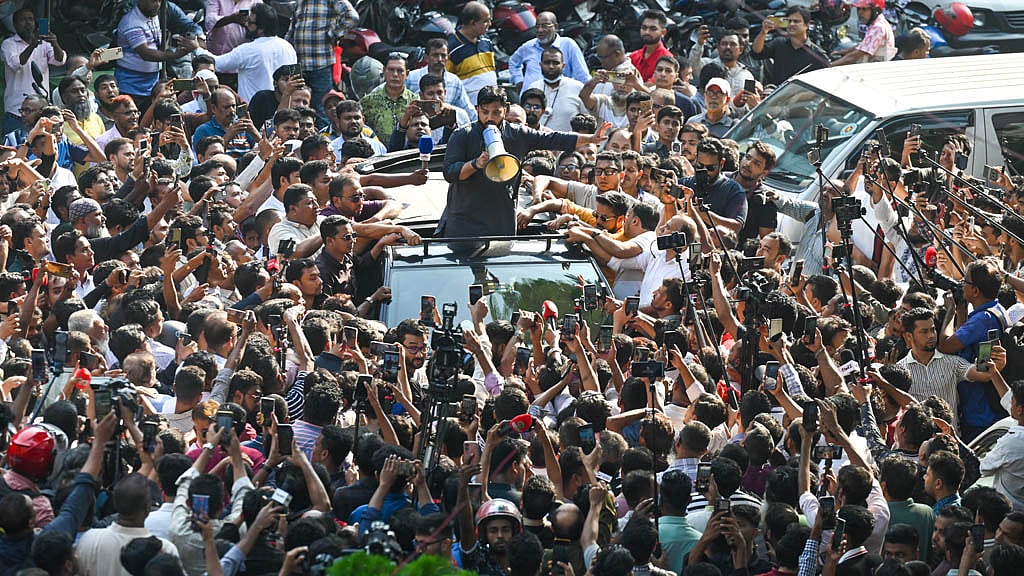
Ishraque said he had raised his firearm for “security and caution”. Three younger BNP leaders said the episode reflected a growing culture of political “showing off”, alleging that videos of the operation had been circulated repeatedly on the advice of his public-relations team.
Mahfuz Kabir Mukta, his press officer, rejected that account.
“His videos are not made separately. There is always a setup with him. Saturday’s operation was a scheduled programme, an organised programme. We record all programmes as a rule. Footage is supplied to the group. This is a regular part of it,” he told bdnews24.com.
Will the Crackdown Last?
A BNP central committee member questioned whether the prime minister’s disciplinary decisions would produce lasting results or backfire.
A Jatiotabadi Chhatra Dal leader said Ishraque’s conduct was inappropriate but argued that a reprimand or warning could have sufficed.
Directly asking him to resign, the leader said, could discourage activists.
An advisor to Tarique said, “No one is above the law. The law is equal for everyone. The party chairman has always urged everyone to follow the rules and the party constitution.”
The advisor described discipline as weak, saying there was no committee in Dhaka North and factions in Dhaka South did not recognise one another.
Political analyst Zobaida Nasreen viewed the resignation as Tarique’s attempt to manage the situation.
“Taking a decision about one person does not mean that the BNP has taken a strict position on its constitution and everything else,” said the Dhaka University anthropology professor, who considered the move temporary and intended to please the public.
Asif Shahan took a different view, calling the action an effort to signal consequences for misconduct and strengthen control within the party.
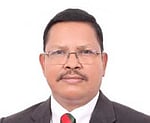
Analyst Mushtuq Husain said the BNP was not traditionally a disciplined or regimented party, and that both Mishti and Ishraque’s cases reflected indiscipline.
If Tarique’s effort succeeded, he said, the prime minister would gain the moral authority to act against criminals in other parties.
Khosru described Ishraque’s resignation and cabinet reshuffles as routine.
“These government decisions are a regular matter; changes will keep happening. Cabinets are always like this, all over the world,” he said.
Power Minister Iqbal Hassan Mahmood Tuku added, “The BNP is a big party. There is no reason to struggle.”