Published : 21 Oct 2026, 11:06 PM
Updated : 21 Oct 2026, 11:06 PM


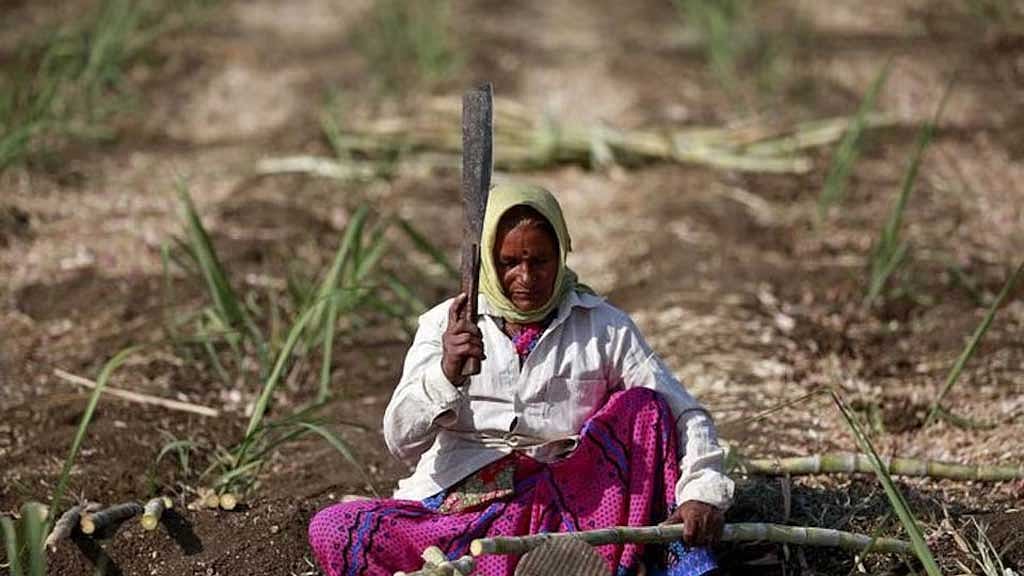
Female sugarcane workers in India are facing mounting pressure to undergo hysterectomies to retain their livelihoods, as a punishing system of labour contracts leaves little room for menstrual pain, pregnancy, or other interruptions to work.
Travelling hundreds of kilometres from their home villages to harvest cane across Karnataka and Maharashtra, these women endure shifts of up to 14 hours for daily wages as low as ₹400 (around $5), reports the Independent.
Under a contract system in which missed shifts carry financial penalties and workers impose fines when harvest quotas fall short, taking time off for menstrual pain or pregnancy can be ruinously expensive.
For some, surgical removal of the uterus has become the only perceived way out.
“It feels like my body itself has become a slave to the system,” one worker told The Independent.
A 2019 Maharashtra government survey of over 82,000 migrant women in the Beed district found nearly 14,000 had undergone hysterectomies. More than 45 percent later reported physical or psychological distress.
The Bombay High Court ordered regional welfare reforms in March 2025, but workers say conditions on the ground remain unchanged.
Activists say some women are being steered towards private facilities where operations are carried out without adequate clinical justification, with certain community health workers allegedly receiving payments for referrals -- an allegation those workers deny.
One woman told the publication she continued bleeding and was in greater pain months after surgery, and was refused access to her own surgical reports when she sought them.
Coca-Cola, whose supply chain draws on cane from the region, said it has partnered with an international civil society organisation to improve sanitation and welfare access for workers. PepsiCo did not respond to a request for comment.