Published : 09 Sep 2026, 09:28 PM
Updated : 16 Sep 2026, 11:49 AM


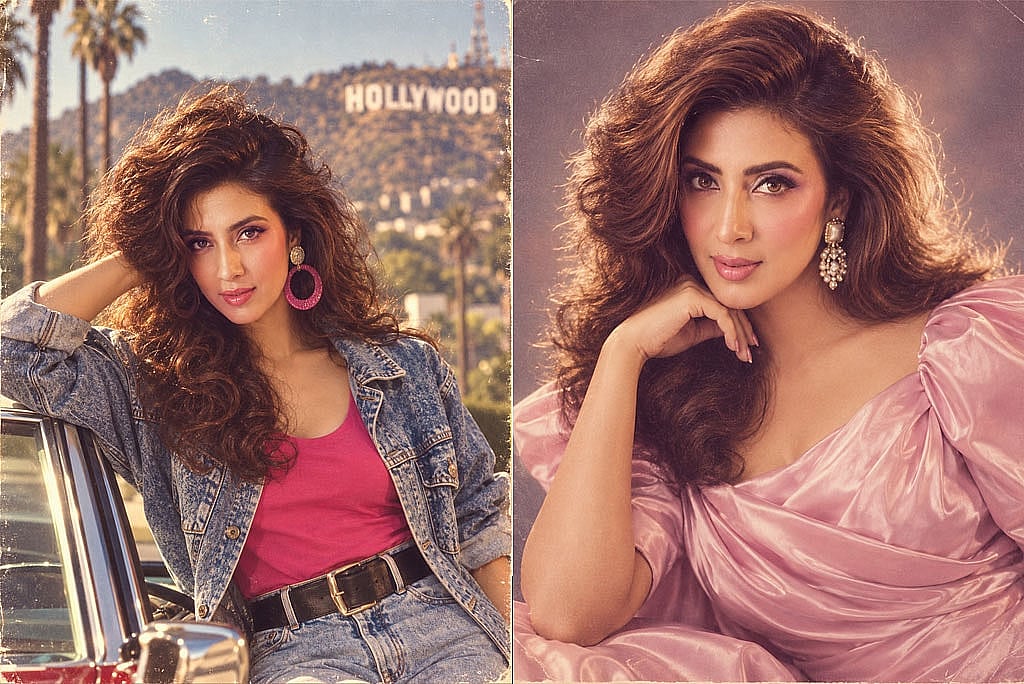
Artificial intelligence has sparked a nostalgic wave of people recreating themselves in 1980s style, complete with fluffy hair, denim jackets and vintage studio lighting.
Scroll through Facebook, Instagram or TikTok these days and instead of familiar modern selfies, friends' timelines are filling up with retro high-school yearbook-style portraits straight out of the decade.
Psychologists and sociologists have a name for this shift: “digital nostalgia travel”, a trend that has become something of an obsession among younger users.
What looks like a harmless filter game, technology and behavioural experts say, actually taps into a deeper psychological void, and some clever design by the platforms themselves.
The pull of a simpler, more colourful past, however fleeting, has created a fresh wave across the internet, offering an escape from the artificial gloss of modern life.
Researchers at Santa Clara University in the US, alongside international social psychologists, have examined three major drivers behind this viral trend.

How The Trend Went Global
According to tech outlet TechCrunch and fashion magazine Vogue, the "AI yearbook" trend officially took off in the last week of September 2023.
South Korea's Snow Corporation first launched the vintage filter on its popular photo-editing app, EPIK.
Top K-pop stars were the ones who sent the app viral worldwide.
In the first week of October 2023, BTS member V (Kim Taehyung), (G)I-DLE singer Miyeon and K-pop star Somi used the filter on their official Instagram accounts to post 1980s American high-school-style portraits.
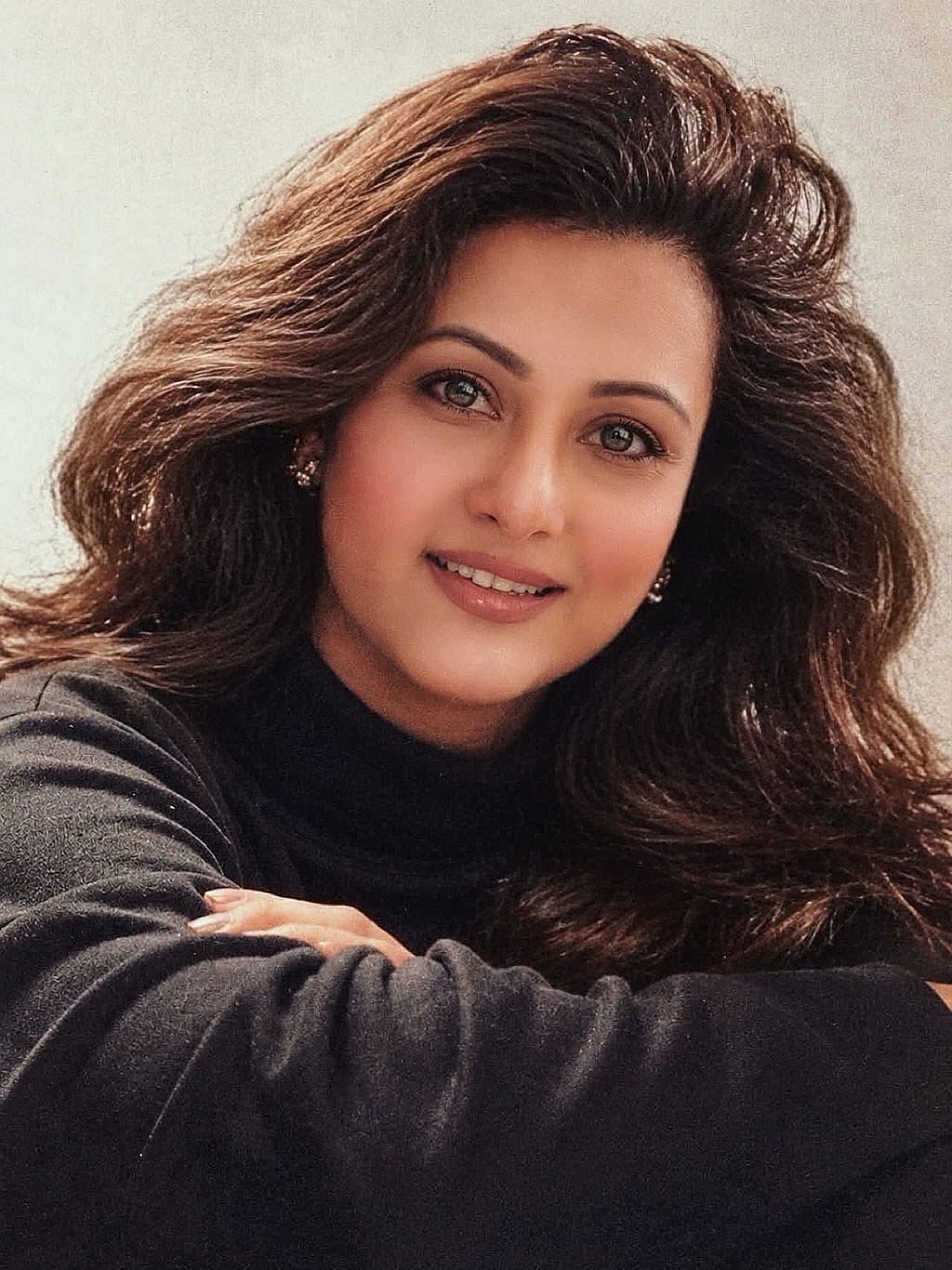
The AI app scanned their facial features and blended them with an 80s catalogue-style background, fluffy hairstyles, denim jackets and vintage lighting.
The instant, convincing transformation drew ordinary users in too, eager to try the same on themselves.
Retro Wave In Bangladesh
The retro filter wave hit Bangladesh's online space soon after its global rise, though it took off through two distinct phases here.
First, in late 2023, following the international trend, the country's top models, entertainment figures and content creators used apps like EPIK or Lensa AI to share their own vintage-style photos on Facebook.
Ramp model and choreographer Azra Mahmood, actress Toya and several popular lifestyle influencers swapping their usual modern look for 80s catalogue-style portraits sparked intense curiosity among their followers.
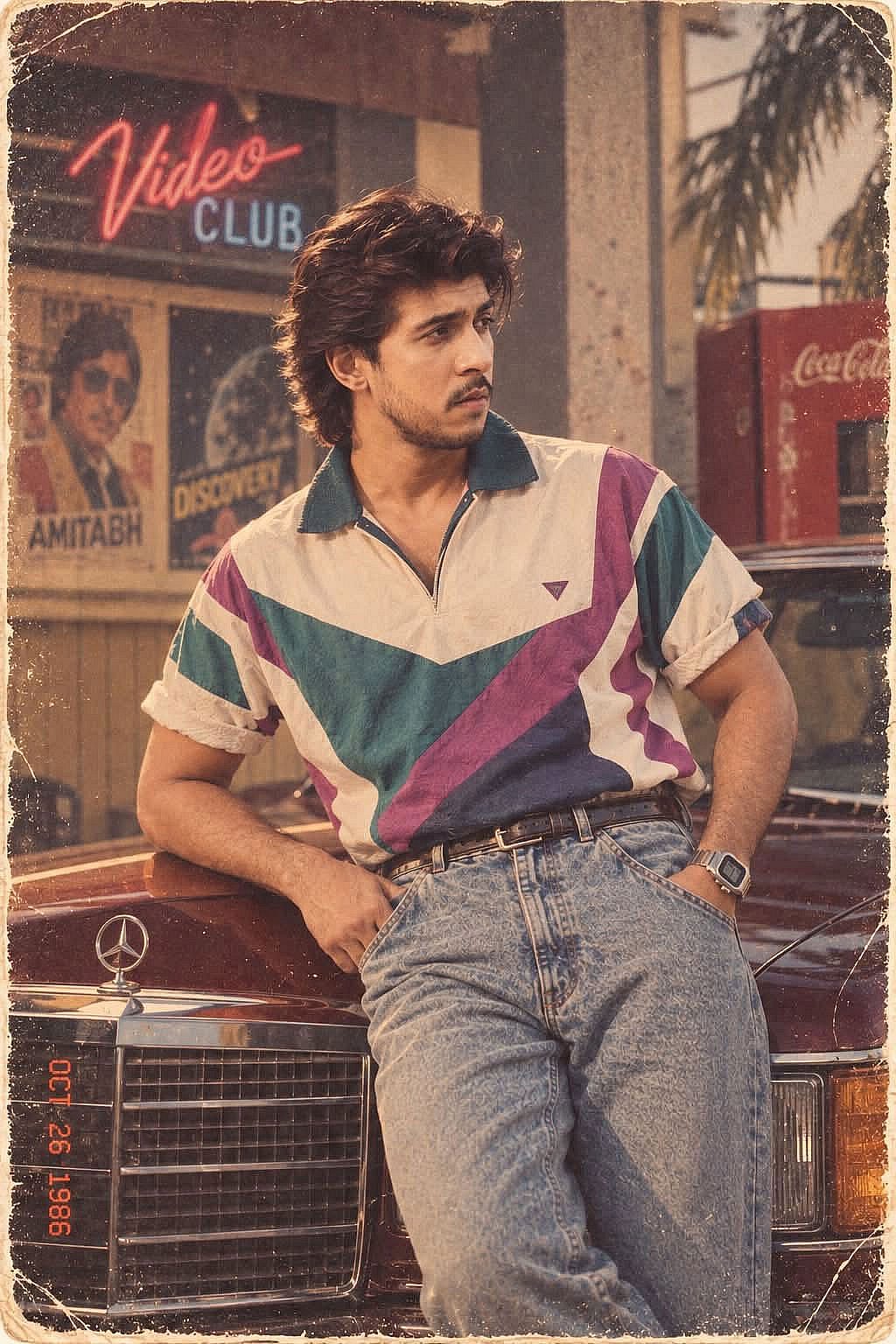
The second and much bigger wave has arrived now, as generative AI image tools like ChatGPT and Google Gemini have become completely free and accessible to users.
Breaking free from expensive subscription apps, Dhaka's young crowd, particularly university students and corporate professionals, began transforming their own photos into retro looks using simple prompts, posting them in groups or "co-regulation" style on Facebook, turning it into an overnight mass trend.
Why The 1980s, Not Any Other Decade?
According to research published in the psychology journals Cognitive Research: Principles and Implications and the Journal of Computer-Mediated Communication, three key factors explain why the brain gravitates towards the 1980s over any other era.
Pop Culture And The Somatic Pull Of Aesthetic Visuals
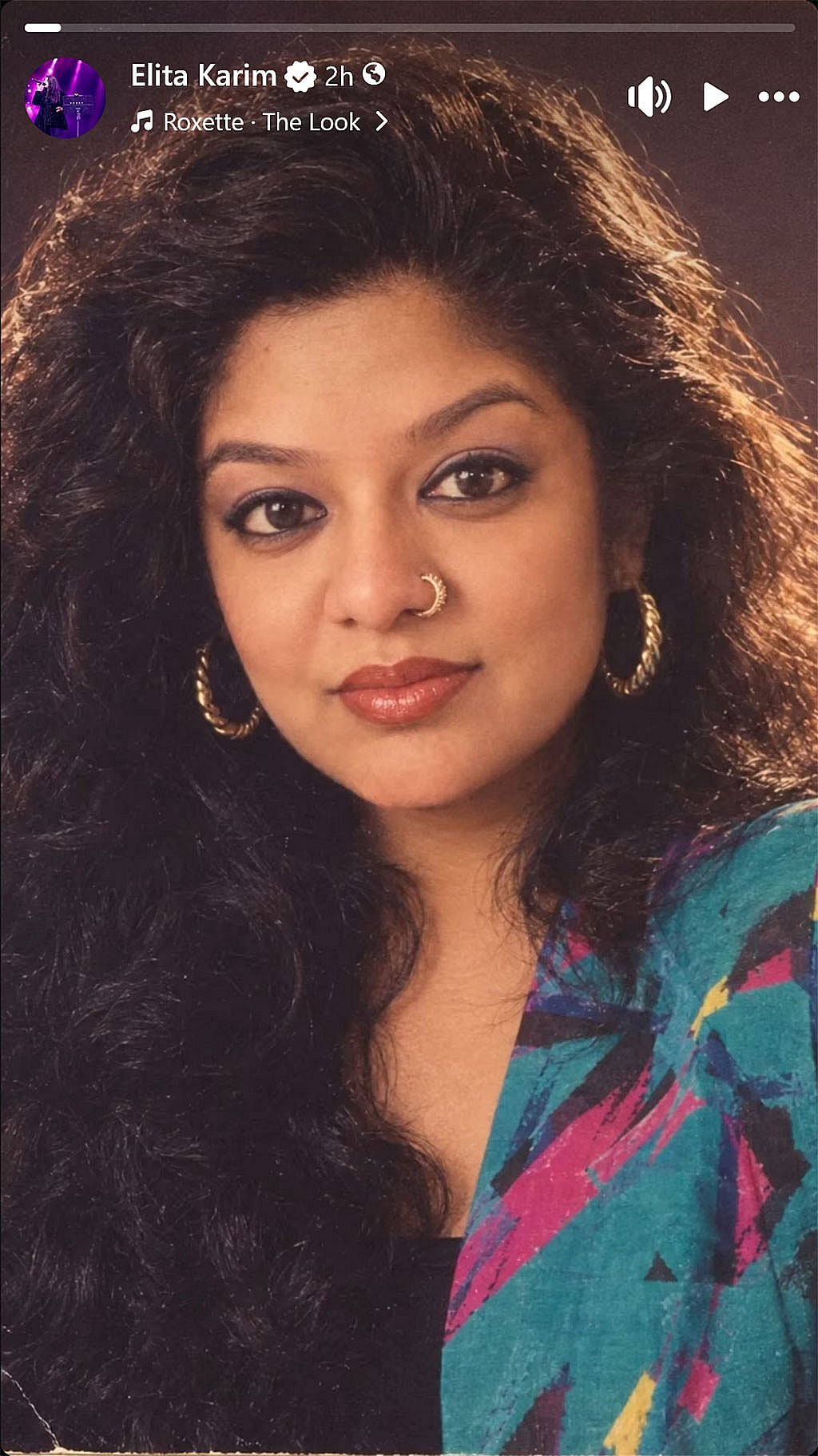
A review by the American Psychological Association (APA) found the 1980s marked a golden, dynamic era for pop music, retro fashion, neon lights and Hollywood worldwide.
The decade's clothing styles, think denim jackets, oversized blazers, alongside fluffy or voluminous hair, now read as an aesthetic peak to today's Gen Z and millennial audiences.
The brain's reward centre naturally releases a burst of pleasure, or dopamine, when exposed to these colourful, classic visuals.
Digital Fatigue And The Subconscious Pull Towards Analogue Life
Research published in the psychology journal Computers in Human Behavior found that people today live under constant psychological pressure from artificial intelligence, notification alerts and endless doom-scrolling.
The 1980s represented an early stage of technology, when people were not yet trapped in the internet's web, and direct social bonding and a culture of togetherness offered a kind of peace.
When people view AI-generated images of themselves from that era, the brain registers a sense of safety, a protective illusion of calm, analogue life, which lowers stress and the cortisol hormone.
The Search For Identity And Social Bonding
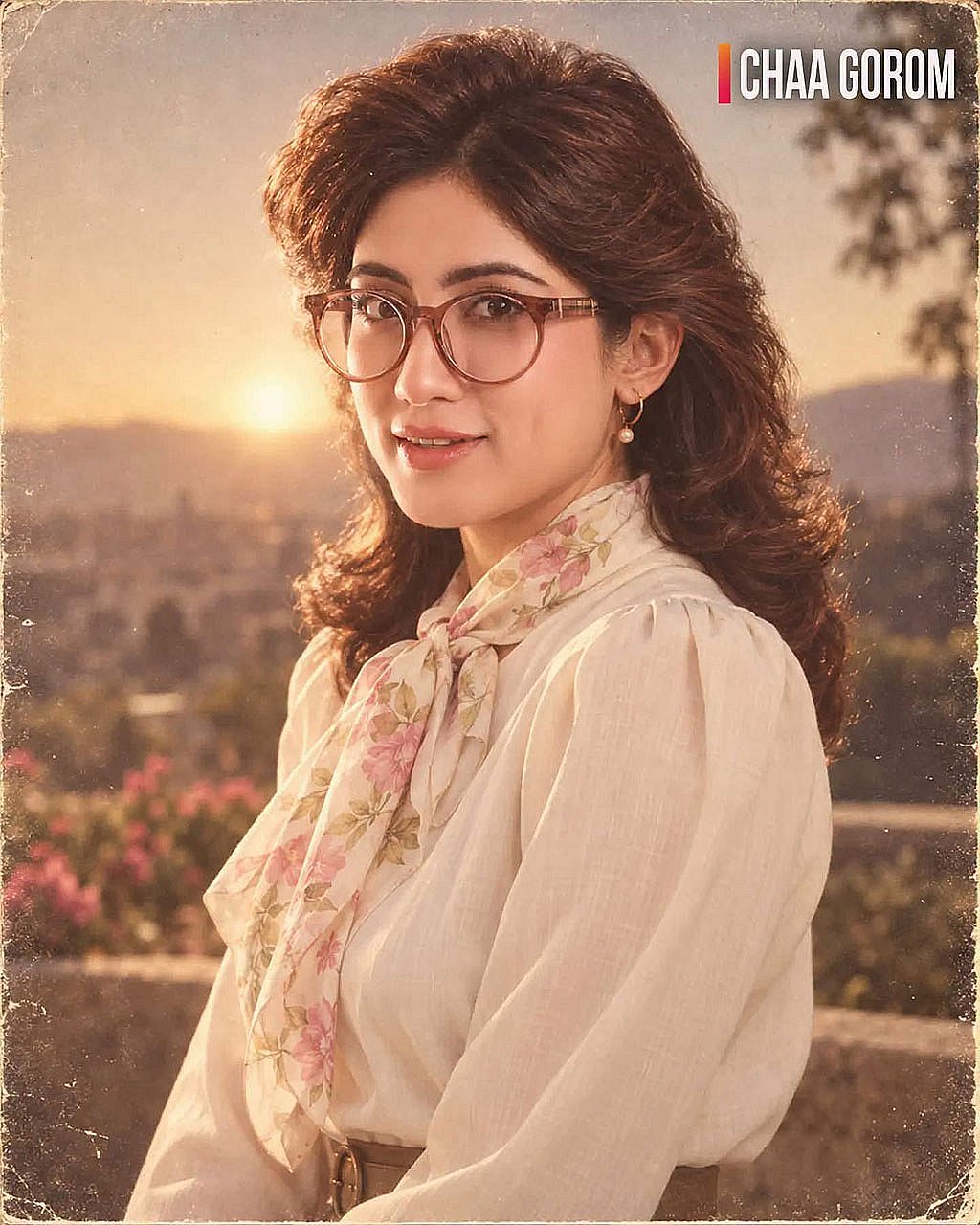
A study by sociologists published in the research journal Public Opinion Quarterly found that presenting a completely different, nostalgic version of oneself on social media creates a deep sense of individuality.
When friends comment beneath those retro photos and share their own versions in turn, a "co-regulation" process occurs in the body.
This process eases loneliness and depression while strengthening social bonds.

Prompt For Creating Photo
Without needing an expensive app, users can create their own 80s-style photo entirely free through ChatGPT or Google Gemini, using the following English prompt as a template.
Sample prompt: "Create a 1980s retro-style American high school yearbook portrait of a 25-year-old South Asian [man/woman, choose based on your gender] based on my facial features. The person should have a classic 80s voluminous fluffy hairstyle, wearing a vintage denim jacket over a white t-shirt. The background should be a classic studio backdrop with soft blue and grey gradient patterns. The lighting must be warm, slightly grainy, and analog film aesthetic, giving an authentic vintage photography look."
Once the user submits this text along with a clear, front-facing photo of their face, the AI generates an accurate 1980s-style portrait.
Strict Cyber Safety, AI Data Warnings
Experts at the international cybersecurity journal IEEE Security and Privacy have flagged caution alongside the fun.
Using these third-party AI apps often requires granting permission to access an entire photo gallery and facial biometric data.
Malicious malware apps can sometimes steal this data to build deepfakes or identity fraud schemes.
Before using any such app, users are strongly advised to check whether it is third-party verified and to carefully review its privacy policy.