Published : 12 Nov 2026, 04:09 PM
Updated : 12 Nov 2026, 04:09 PM


As weight-loss injections become a lucrative market for pharmaceutical companies, millions of people with diabetes in poorer countries are still struggling to obtain basic insulin treatment.
The growing market for weight-loss drugs could threaten insulin supplies, the head of the Access to Medicine Foundation has warned, The Guardian reports.
Jay Iyer, chief executive of the Netherlands-based non-profit, said companies could earn much higher profits from weight-loss medicines than from insulin.
He warned that if any of the three major insulin suppliers -- Sanofi, Eli Lilly or Novo Nordisk -- left the market, the consequences for patients could be severe, particularly for those with type 1 diabetes and insulin-dependent type 2 diabetes.
The British newspaper reported that diabetes affects an estimated 589 million adults worldwide, 81 percent of whom live in low- and middle-income countries.
GLP-1 medicines such as Ozempic and Mounjaro were initially developed to treat type 2 diabetes but have gained popularity as weight-loss drugs.
Many poorer countries, however, have yet to register these medicines, while high prices keep them beyond the reach of most people even where they are available.
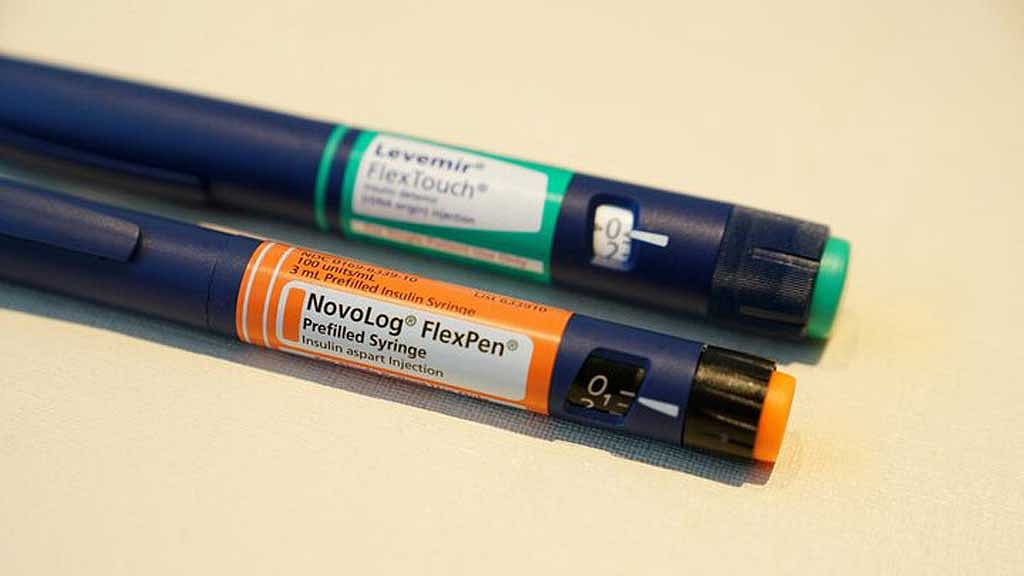
Novo Nordisk has announced plans to phase out some older diabetes products, including insulin pens.
Sanofi has begun building a new insulin production site in Frankfurt and supplies insulin to 15 million people across more than 100 countries.
Eli Lilly received US approval in September for a once-weekly insulin injection for adults with type 2 diabetes.
Novo said it would review the report’s findings and consider ways to widen access to insulin in lower-income countries.
The foundation’s biennial report found that most medicines in development target type 2 diabetes, with only 10 of 25 targeting type 1.
In its global health equity ranking, Novartis retained the top position, followed by GSK and AstraZeneca.
The report also found that nearly two-thirds of cancer drugs have measures to improve access in poorer countries.
Iyer said access to medicines had become part of some companies’ strategies and executive bonus targets over the past two decades.