Published : 15 Aug 2024, 01:31 AM
Updated : 21 Aug 2026, 11:32 AM


Economists have questioned the government’s plans to boost revenue to align with the substantial national budget expenditures while at the same time adopting a restrictive fiscal policy consistent with their contractionary monetary policy.
As the budget expands every year, there is a significant gap between income and expenditure - a fiscal deficit that needs to be managed effectively to achieve a budget equilibrium.
The increasing reliance on debt due to insufficient income is adding pressure to the economy as the government needs to cover interest payments.
Economists suggest that Bangladesh cut unnecessary expenditure, lower spending targets, find strategies to boost income, and address revenue leakage to balance between income and expenses.
They also suggested offering incentives and bringing reforms to increase exports and inward remittances.
Zahid Hussain, former chief economist of the World Bank's Dhaka office, believes that the government is losing significant income because of “flawed” policies and plans.
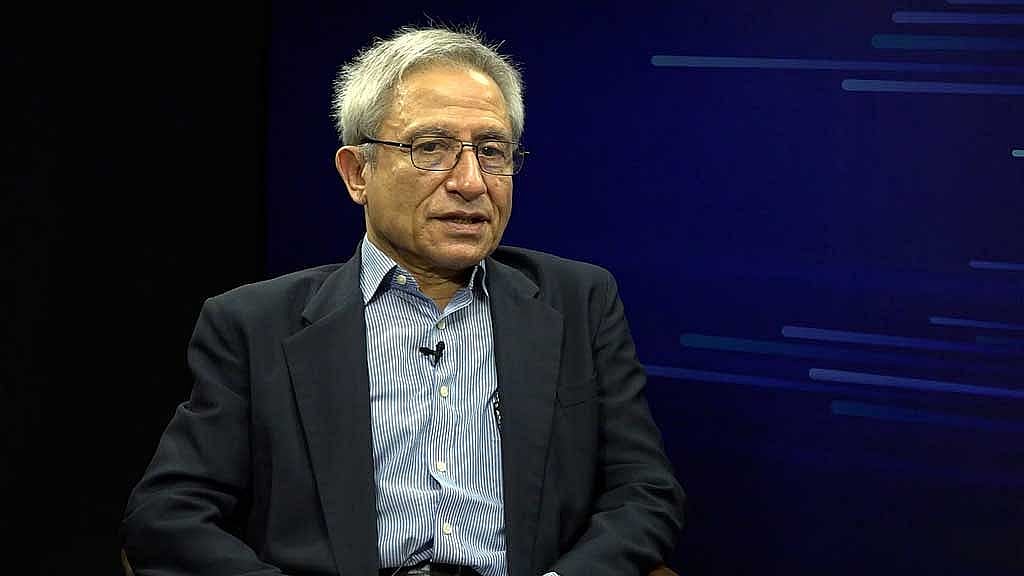
For example, he stated: "The government loses around Tk 3 trillion in customs revenue due to tax exemptions.
“These revenue losses have persisted for a long time, 10-20 years. However, the intended goal of granting these exemptions was never achieved. But businesses always pressure the government to continue the exemptions, saying they would suffer without them.”
He recommended reducing expenditure targets, minimising revenue loss, and refraining from undertaking new mega projects.
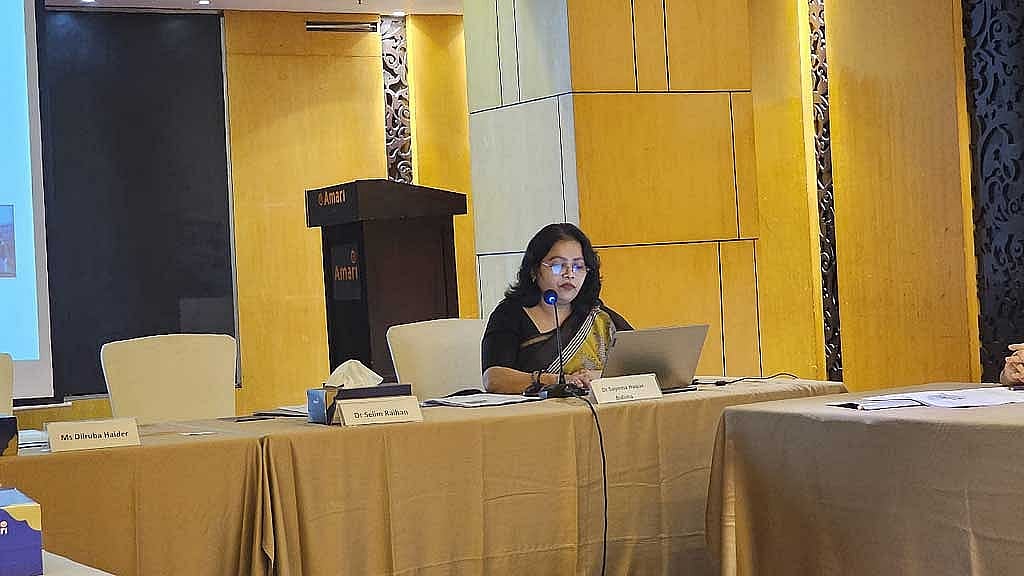
Economics teacher and researcher Professor Sayema Haque Bidisha has called for changes in the expenditure system.
Setting expenditure priorities is essential to ease pressure on the challenged economy – a strategy she believes the government is currently neglecting.
"Spending money is not the main issue. It's crucial to ensure proper allocation. With our limited income, excessive spending is not feasible. We must prioritise spending on the most critical sectors.
“Expenditure should be directed to ensure benefits for the common people and avoid waste,” she said.
Finance Minister Abul Hassan Mahmood Ali is set to present the national budget for the fiscal year 2024-25 in parliament on Jun 6.
Reports suggest that the government may set a tax revenue target of approximately Tk 5.5 trillion to cover its substantial expenditure.
Despite repeated revisions to the revenue target, the actual collection often falls short.
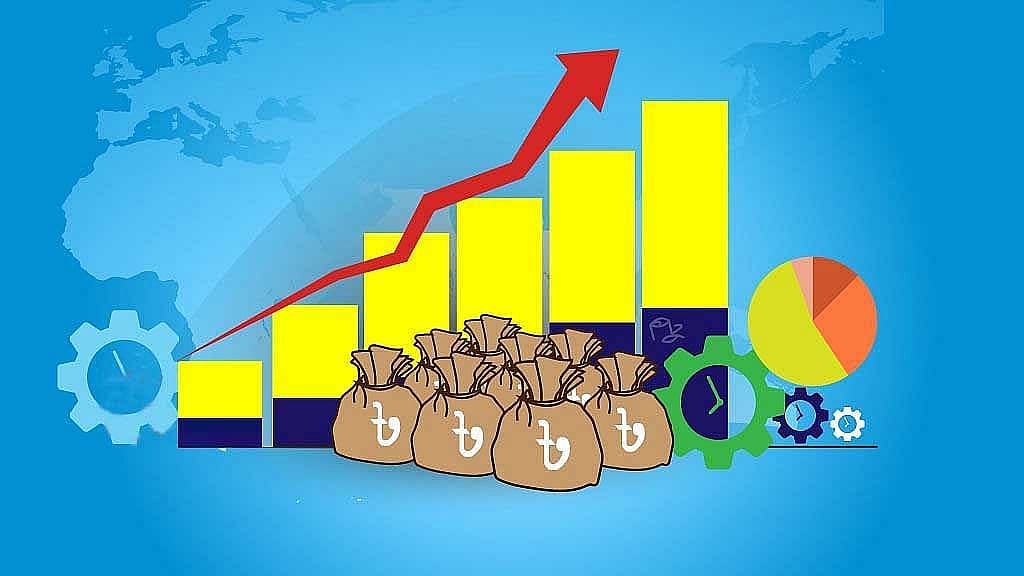
This ongoing shortfall has led to an increasing reliance on debt to bridge the budget deficit.
The upcoming budget is projected to have a deficit of approximately Tk 2.62 trillion, or more than one-third of the total budget, which will be financed through loans from both local and foreign sources.
The budget deficit target has been maintained slightly above 5 percent of the GDP for several years.
In the current fiscal year, the deficit was 5.2 percent of GDP.
Finance ministry officials are now considering reducing this target to below 5 percent in the upcoming budget.
However, significant deficit borrowing will remain the primary option, with a substantial portion coming from the country's banking sector.
Economists have pointed out that due to lower-than-expected income, the government is increasingly turning to debt to finance the budget.
In the upcoming budget, out of the total expenditure of around Tk 8 trillion, over Tk 1.25 trillion is allocated for interest payments on loans.
Analysts say that government borrowing is unavoidable under the current budget management.
But with more efficient revenue collection, the government would not need to borrow as much.
Alternatively, savings certificates could be used in place of bank borrowing, given the current unfavourable investment climate.
Bidisha, a Dhaka University teacher, believes that if the government improves its tax collection capacity, it will have more resources for important sectors.
She advocated for more wealthy individuals to be brought into the tax net.
“Income tax returns should be mandatory. Many at the district and Upazila levels have increased their capacity and should be included in the income tax system with incentives," she said.
"We must identify the super-rich and ensure they pay taxes that match their wealth."
KEY POINTS
REFORMS
Economic analyst Ahsan H Mansur believes that the government cannot allocate funds to important sectors because of growing unnecessary expenditure.
To address this issue, he suggests reforms.
"The government should reduce expenditure by implementing administrative reforms. There is no need for so many ministries. Maintaining offices like the Ministry of Textiles and Jute leads to significant expenditure. These should be phased out gradually. Similarly, having large manpower and a fleet of vehicles for each ministry is unnecessary."
"What purpose does the jute ministry serve? Why is it maintained?" he asked.
A large portion of the budget is allocated for the salaries and allowances of government officials and employees. The government also spends substantial amounts on subsidies.
Mansur, the executive director of the think tank Policy Research Institute or PRI, believes that subsidies in certain sectors are unnecessary.
"There are significant areas where the government is overspending; we are providing subsidies worth billions of taka to industries like textiles, jute and sugar, which are not necessary.
"We are also subsidising remittances, which is also unnecessary. They are receiving fair prices. The government needs to take decisive action in these areas."
He also noted that government expenditure on pensions is increasing rapidly.
According to the latest data from the Bangladesh Bank, under the sixth edition of the IMF's balance of payments and international investment position manual or BPM6, foreign exchange reserves now stand at $18.72 billion.
Over the past two years, the reserves have gradually decreased due to a rise in imports against faltering exports and inward remittances.
In response to the economic challenges following the COVID-19 pandemic and amid the Russia-Ukraine war, the government has cut spending to prevent a crisis.
Import costs have also been tightened to save dollars.
The government continues to pursue policies aimed at reducing the cost of living.
Economists are questioning how effective these measures are in reducing spending pressures in the budget.
Mansur said, "Government expenditure must be reduced. There is no need for excessive use of cars or group travel abroad. We need to focus on these areas. We have not been able to reduce bad loans in the banking sector, and we cannot move forward with this issue."
Referring to the government's commitment to austerity during the current budget announcement, Bidisha commented, "Some progress has been made, but efforts must continue to increase spending in critical areas by achieving austerity in many other areas. There is still excessive wastage in many sectors."
Contrarily, Bidisha, research director of the South Asian Network on Economic Modeling or SANEM, said: "Investing in the health and education sectors will yield long-term benefits. India's significant economic success today is because they have invested heavily in education."
Despite calls at both national and international levels to increase spending on education and health sectors, part of the allocations for them are returned every year due to an inability to spend them.
Professor Bidisha asked if fundamental issues in these sectors is leading to this.
She called for cutting unnecessary expenditure, discouraging the import of less important goods, and stopping default loans.
She also suggested giving incentives to increase self-employment, noting that pressure on large industries could negatively impact employment.
"As large sectors face challenges, we should promote small self-employed jobs. The budget should support small and medium industries with tax exemptions, easy-term loans, and district-based programmes. Tax reductions in some areas would benefit the middle and lower classes."

Calling for incentives to diversify exports, Bidisha said, "We need policies to encourage new sectors and increase investment in labour-intensive industries. This can create more jobs for ordinary people."