Published : 03 Sep 2026, 05:58 PM
Updated : 16 Sep 2026, 11:47 AM


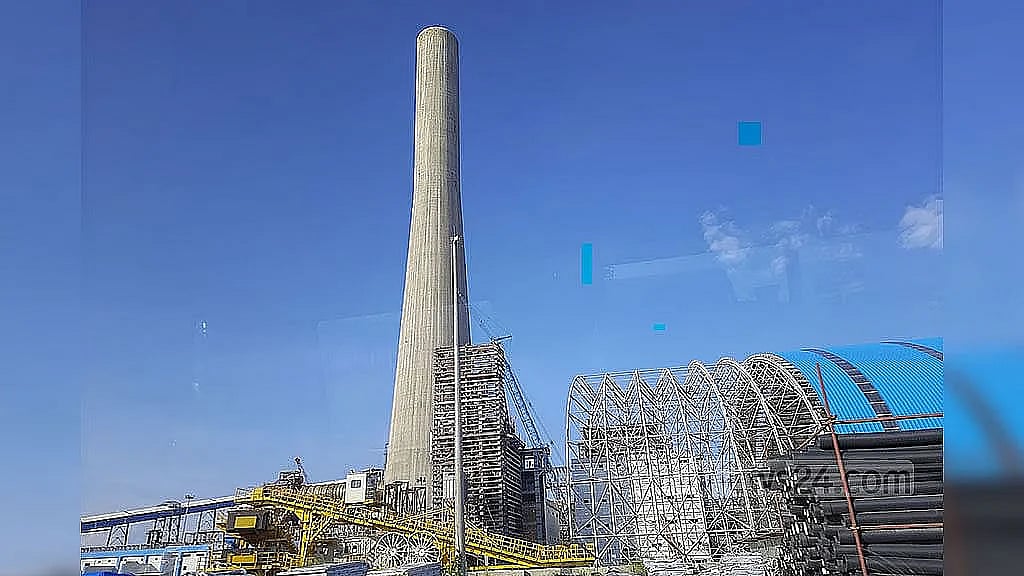
British banking giant Barclays is facing a formal complaint in the UK over financial services it provided to organisations linked to Bangladesh's coal-fired Rampal power plant, amid allegations that it failed to adequately assess environmental and human rights risks.
Three complainants from Bangladesh and India have submitted the case to the UK government's Office for Responsible Business Conduct over Barclays' links to the 1,320-megawatt Maitree Super Thermal Power Plant, better known as the Rampal Power Plant, The Guardian reported on Wednesday.
They allege that the British bank breached international guidelines by underwriting debt or bonds issued by organisations connected to the project without carrying out sufficient due diligence into the environmental and human rights risks involved.
The Office for Responsible Business Conduct includes the UK's National Contact Point, or NCP, which handles complaints under the OECD Guidelines for Multinational Enterprises on Responsible Business Conduct.
Such complaints are not legal proceedings. The NCP initially assesses whether a complaint merits further consideration. If accepted, it may offer mediation or conduct a further examination before publishing a final statement. It has no formal investigatory powers and cannot compel companies to implement its findings or recommendations.
According to King's Legal Clinic, which is assisting the complainants, Barclays underwrote debt issued by India's state-owned NTPC Ltd, one of the two partners behind the Rampal plant.
The clinic also says Barclays underwrote bond issues for the Export-Import Bank of India between 2016 and 2019. Exim Bank went on to provide financing for Rampal, according to The Guardian.
The connection between Exim Bank and the project is independently documented by NTPC.
Bangladesh India Friendship Power Company Ltd (BIFPCL), reached financial closure for Rampal on Apr 10, 2017 after signing an agreement under which India's Exim Bank would provide a loan of up to $1.6 billion, according to an NTPC disclosure.
BIFPCL is a 50-50 joint venture between NTPC and the Bangladesh Power Development Board. The company says the Maitree plant consists of two 660 MW units and runs on imported coal.
The first unit entered commercial operation in December 2022 and the second in March 2024, bringing the entire 1,320 MW plant into commercial operation.
The complainants are Sharif Jamil, a Dhaka-based environmental campaigner; Animesh Mandal, an Indian farmer and politician; and the Dakshinbanga Matsyajibi Forum, which represents fish workers in West Bengal, according to The Guardian.
They are being assisted by lawyers and students at King's Human Rights and Environment Clinic at King's College London's law school.
Jamil told the British newspaper that heavy-metal pollution from industrial development around the plant was reaching the Sundarbans through the network of rivers and canals connected to the mangrove forest.
A 2025 study examining nine trace metals in water and sediment from 12 sites in the Sundarbans found elevated levels of arsenic and mercury in water samples across the study area, with the highest concentrations recorded in the Pasur River during the pre-monsoon period.
The research identified human activities, including industrial discharge and port-related activity, among the potential sources of heavy-metal contamination. It also raised concerns about environmental pressures associated with the Rampal plant, including emissions from coal combustion and increased river traffic.
The study did not, however, establish that the Rampal plant itself was the source of the arsenic and mercury concentrations it measured.
The power station has faced opposition from environmental campaigners since before construction began because of concerns over its proximity to the Sundarbans.
A joint monitoring mission by the UNESCO World Heritage Centre and the International Union for Conservation of Nature concluded in 2016 that the proposed plant posed a "serious threat" to the Sundarbans World Heritage property.
The mission identified four main areas of concern: pollution from coal ash, wastewater and waste ash, increased shipping and dredging, and the cumulative impact of industrial and related infrastructure development. It recommended that the project be cancelled and relocated.
UNESCO said the plant site was about 65km from the designated World Heritage property. The wider Sundarbans mangrove forest extends beyond the boundaries of the UNESCO-listed area.
Concerns over international financing for Rampal also predate the latest complaint.
In December 2016, a coalition of 53 organisations urged Barclays and four other international banks not to underwrite forthcoming Exim Bank bond issues while the Indian lender remained committed to financing the Rampal project.
The campaigners argued that further underwriting for Exim Bank could indirectly facilitate financing for the coal plant.
The latest complaint now seeks to bring Barclays' conduct under the UK's OECD responsible-business complaints mechanism.
The Office for Responsible Business Conduct will first decide whether the issues raised merit further consideration. Acceptance at that stage would not in itself amount to a finding that Barclays had breached the OECD guidelines.
Barclays and BIFPCL declined to comment when approached by The Guardian.