Published : 06 Oct 2026, 09:57 AM
Updated : 06 Oct 2026, 09:57 AM


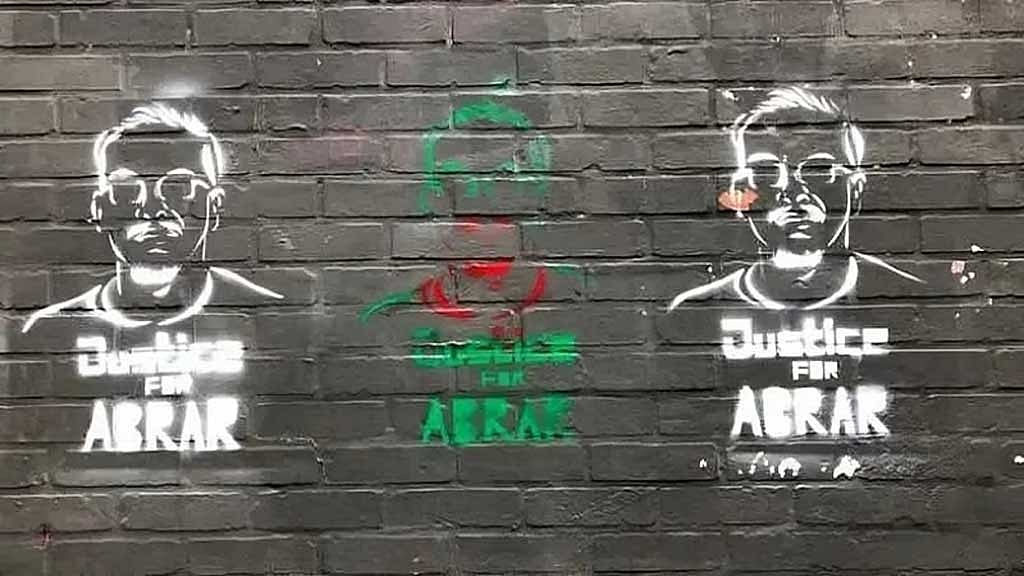
Seven years after the killing of Bangladesh University of Engineering and Technology (BUET) student Abrar Fahad, the case remains pending before the Appellate Division, with neither side able to say when the final phase of the trial will conclude.
Although the trial court and the High Court have both delivered verdicts in the case, the appeals process at the apex court has yet to begin.
Attorney General Md Ruhul Quddus Kazal has said the state will not seek any adjournment if the case comes up for hearing at the Supreme Court's Appellate Division.
Lawyers for the accused, however, said cases at the Appellate Division are generally heard according to their year and date of filing and are listed sequentially. They said the case could be heard quickly if the chief justice prioritises it.
Abrar's family, meanwhile, wants the trial to be completed quickly so that the sentences of those convicted can be carried out.
A year ago, the High Court upheld the death sentences of 20 accused and life imprisonment for five others, as handed down by the trial court.
The accused sought leave to appeal against the High Court verdict, while the state, satisfied with the ruling, did not file an appeal.
Senior defence lawyer SM Shahjahan told bdnews24.com that under Supreme Court rules, both sides must submit concise statements in an appeal before a paperbook is prepared.
"After the paperbook is prepared, the case has to be fixed for hearing through the chamber judge. But no concise statement has so far been sought by the chamber court. Besides, we have not yet received any instructions from our clients for the appeal hearing," he said.
Defence lawyer Azizur Rahman Dulu said a paperbook of nearly 10,000 pages had been prepared.
"The case is now pending before the Appellate Division, but it has not been listed. It is not possible to say specifically when the hearing will take place," he told bdnews24.com.
He said cases at the Appellate Division are generally heard according to their year and date.
"The chief justice can take up the case on a priority basis. But the defence has no scope to take an initiative for a priority hearing," Dulu said.
The Case
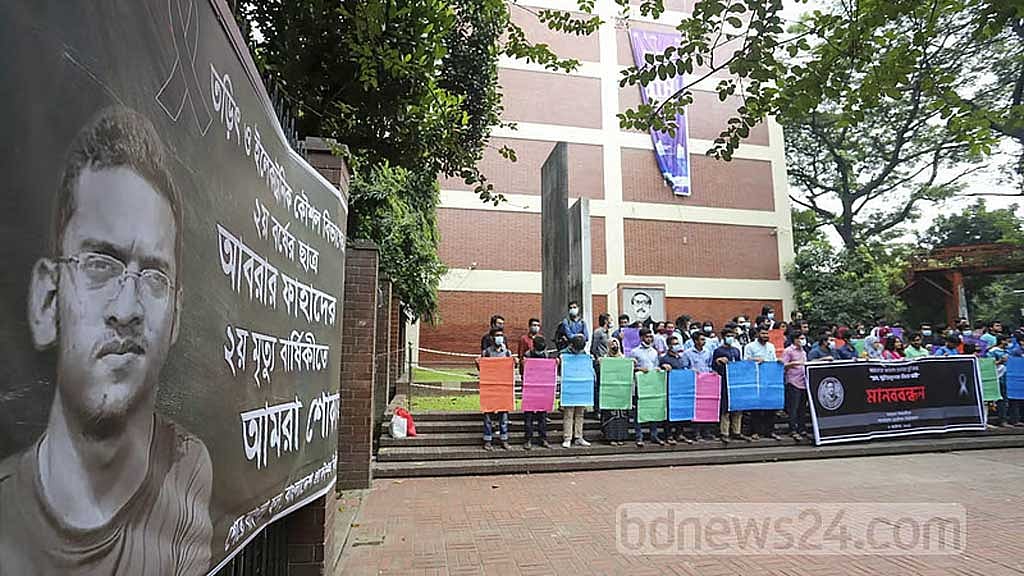
Abrar, a student of electrical and electronic engineering at BUET, was beaten to death at Sher-e-Bangla Hall on Oct 7, 2019.
His father Barkat Ullah filed a murder case with Chawkbazar Police Station against 19 people.
Investigation was completed in 37 days and Detective Branch Inspector Md Wahiduzzaman submitted the charge sheet to the court on Nov 13.
The trial began on Sept 15, 2020.
On Dec 8, 2021, Judge Abu Zafar Md Kamruzzaman of the Dhaka Speedy Trial Tribunal-1 sentenced 20 accused to death and five to life imprisonment.
In a packed courtroom, the judge ordered that the 20 condemned men be hanged until death.
When a trial court imposes a death sentence, it requires confirmation by the High Court before the sentence can be executed. Under Section 374 of the Code of Criminal Procedure, the trial court must therefore send all case records to the High Court after the verdict. This is known as a death reference.
The death reference in the Abrar murder case reached the High Court on Jan 6, 2022. The accused also appealed against the trial court verdict.
After the fall of the Sheikh Hasina government, the state began its High Court hearing on Feb 10, 2025, with the submission of the paperbook. The defence later presented its arguments.
The hearing concluded on Feb 24, and the High Court delivered its verdict on Mar 16 last year.
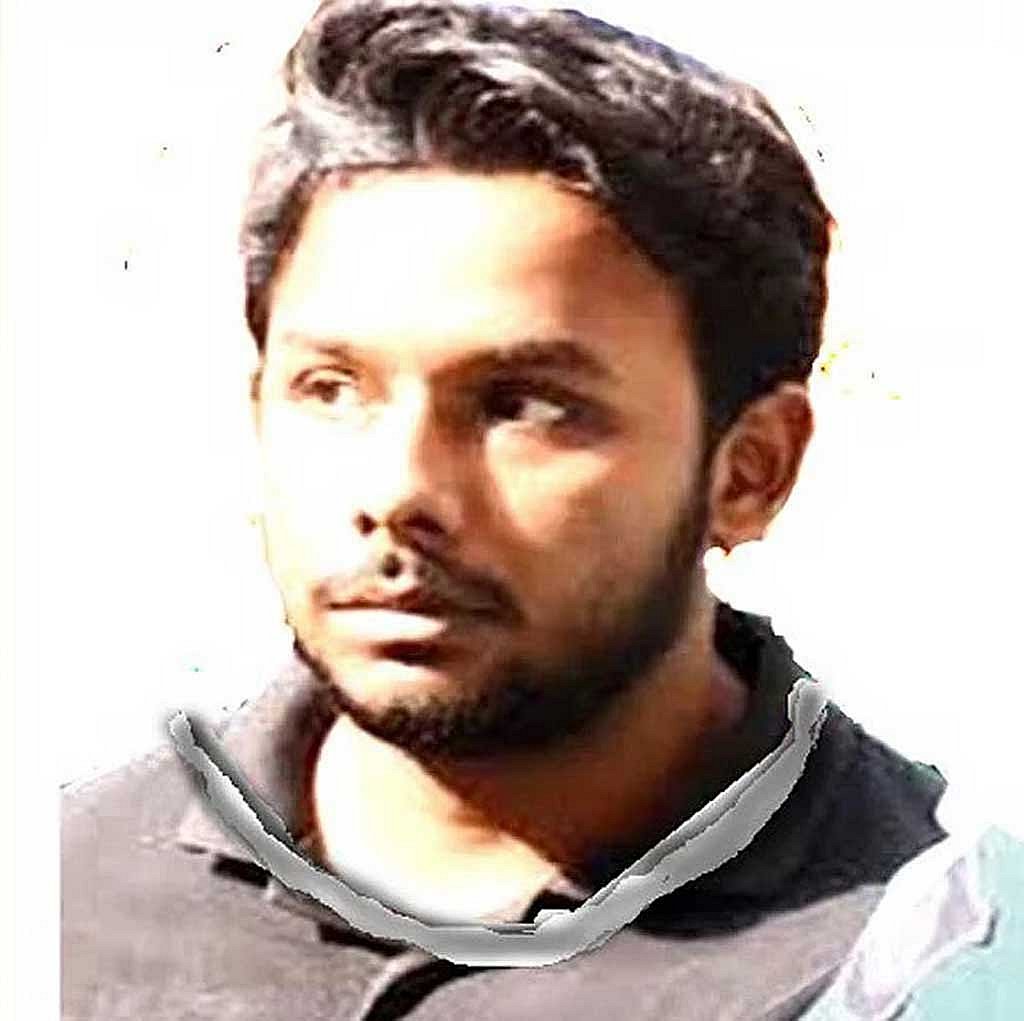
The High Court upheld the death sentences of 20 accused and life imprisonment for five.
In its verdict, the High Court said it found no material grounds to interfere with the trial court's decision. It therefore accepted the death references and rejected the appeals filed by the accused.
All 20 people whose death sentences were upheld are former BUET students. They are Mehedi Hasan Russell, Md Anik Sarkar, Mehedi Hasan Robin, Ifti Mosharraf, Md Moniruzzaman, Md Miftahul Islam, Md Majedur Rahman, Md Mujahidur Rahman, Khandakar Tabakkarul Islam, Hossain Mohammad Toha, Md Shamim Billah, ASM Nazmus Sadat, Morshed Amartya Islam, Muntasir Al Jami, Md Shamsul Arifin, Md Mizanur Rahman, SM Mahmud, Morshed-Uz-Zaman Mondal, Ehteshamul Rabbi and Mujtaba Rafid.
Three of the 20 condemned men have been absconding since the trial court verdict. They are Morshed-Uz-Zaman, Ehteshamul Rabbi and Mujtaba Rafid.
Another condemned accused, Muntasir Al Jami, escaped from the high-security central jail in Gazipur on Aug 6, 2024. The prison authorities disclosed the matter in a press release on Feb 25 last year.
As a result, 16 of the condemned men have directly appealed against the High Court verdict, while the five people sentenced to life imprisonment have sought leave to appeal.
State Will Not Seek Adjournment
Attorney General Kazal said the state did not appeal against the High Court verdict because it upheld the trial court's sentences.
Explaining the state's position before the Appellate Division, the chief law officer told bdnews24.com that the people aggrieved by the verdict are the convicts, who have filed the appeals.
"So, primarily, it is their responsibility to ensure that the appeals are heard and disposed of quickly," Kazal said.
"Our position is that we do not want to cause delays in any case. Every citizen has a constitutional right to a speedy trial, and we want to ensure that right. If the hearing of this case begins at the Appellate Division, the state will not cause any delay in the proceedings. We will not seek any adjournment," he said.
He added that the murder of Abrar Fahad was a highly publicised incident and its trial should be completed quickly.
Abrar's father, Barkat Ullah, has also called for the case to be disposed of on a priority basis.
"We have been requesting the relevant authorities from the very beginning to dispose of the case on a priority basis. Although I did not make any written application, I verbally appealed to the then attorney general and current Law Minister Md Asaduzzaman," he told bdnews24.com.
"My appeal to the current government and everyone concerned is that the case be placed on the court's list for hearing on special consideration and that the judicial process be completed," he said.
After the fall of the Sheikh Hasina government, the interim government led by Muhammad Yunus awarded Abrar the Independence Award posthumously last year. It is the highest civilian award given by the government of Bangladesh.
High Court Found Murder Premeditated
In its verdict upholding the sentences of 20 accused to death and five to life imprisonment, the High Court described Abrar's murder as premeditated.
The court said the killing did not happen suddenly. Abrar was murdered according to a plan made at a meeting on Oct 5, two days before his death.
The verdict said the matter was established through the testimony of Obaidur Rahman Rafsan, a resident student of Sher-e-Bangla Hall and the prosecution's 27th witness, and Md Galib, the 22nd prosecution witness.
The verdict said Abrar was beaten to death over allegations that he was involved in the politics of Bangladesh Islami Chhatra Shibir, student wing of Jamaat-e-Islami..
The High Court observed that such an allegation could not be a reason for brutally beating someone to death.
Although defence lawyers denied their clients' involvement in the murder, they failed to provide evidence showing that the accused were not present at the scene at the time of the incident, according to the verdict.
Some of the accused were seen directly taking part in beating Abrar, while others were present at the scene and watched what was happening. None of them attempted to rescue him.
The High Court said their presence and participation established their involvement in the murder.
Based on the testimony of prosecution witness 31, doctor Sohel Mahmud, the court said blood had clotted at the sites of injuries on Abrar's body and that the injuries were fatal and homicidal.
Analysing the testimony of prosecution witness 5, doctor Md Masud Elahi, the High Court said Abrar had been unconscious and that the defence claim that he could have survived if he had received proper treatment or care was not relevant in the circumstances of the case.
The defence also did not claim that Abrar had not been killed at the scene or that he had been killed elsewhere, the verdict said.
The court concluded that the allegations against the accused had been proved through their own actions.