Published : 12 Nov 2026, 02:50 PM
Updated : 12 Nov 2026, 02:50 PM


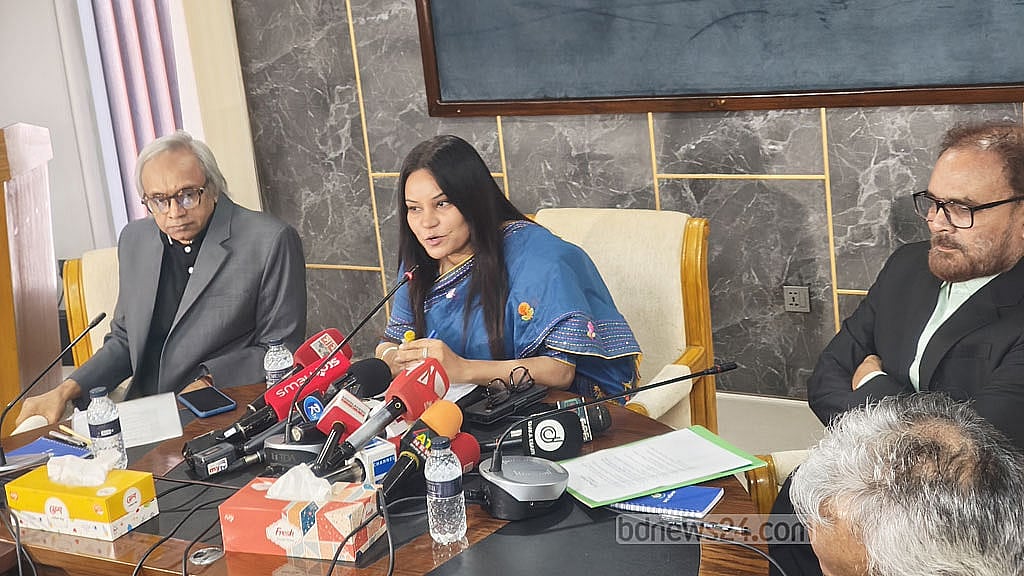
The newly appointed Chief Information Commissioner, Nahreen Islam Khan, has announced a 100-day action plan to turn the Information Commission into an independent and stronger institution after more than two years of inactivity.
As part of the plan, hearings on pending complaints will begin on Nov 16. Other initiatives include Right to Information (RTI) fairs at universities and schools, training for journalists and content creators, and monitoring transparency in the spending of government and foreign donor funds.
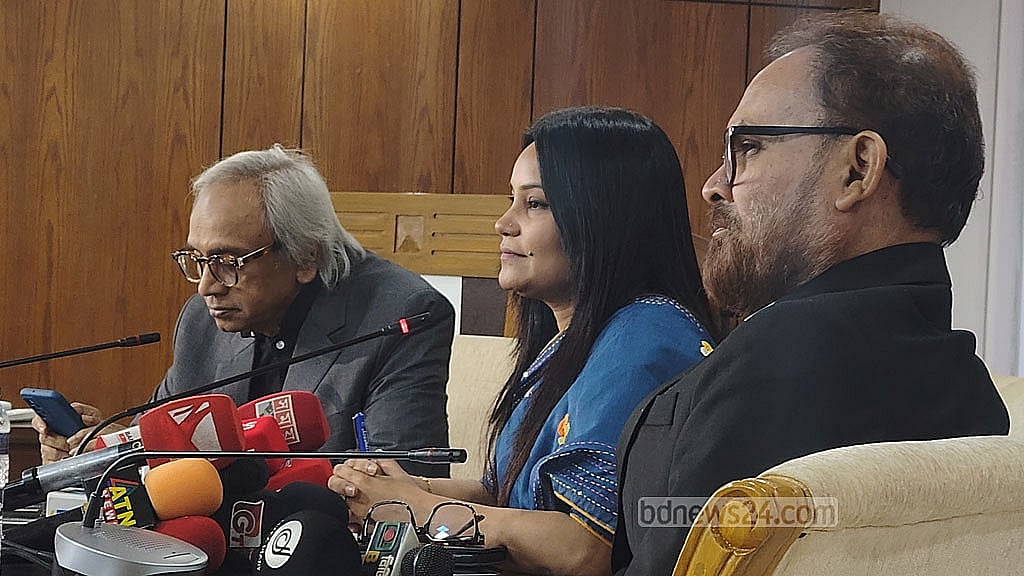
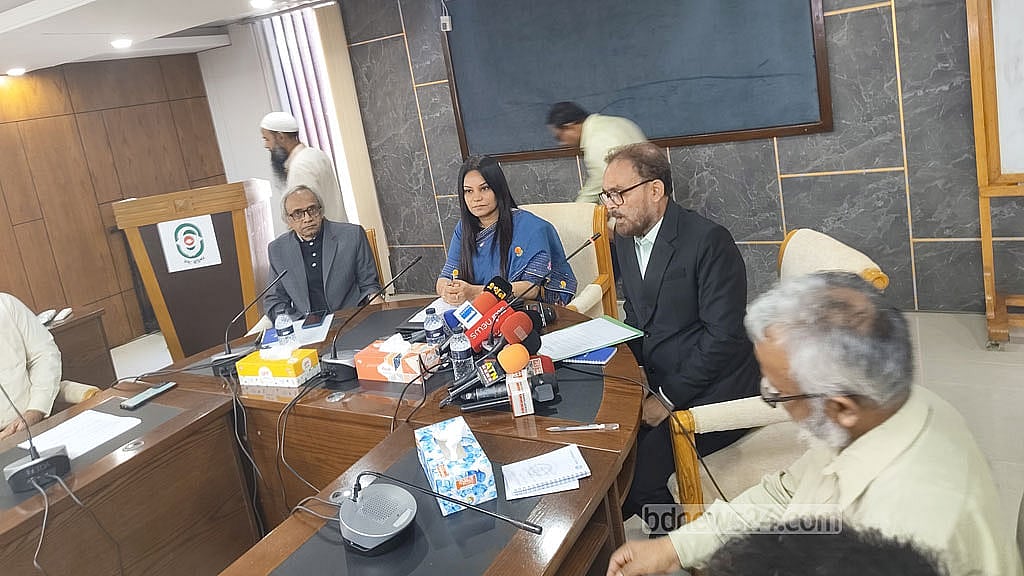
Nahareen outlined the plans at a press briefing at the Information Commission Bangladesh conference room in Agargaon, Dhaka, on Thursday.
Asked about the commission’s position, she said it would remain neutral rather than take sides with either the public or the government.
“I have been directly asked at several programmes whether I would stand with the people or the government. My answer is unequivocal: the Information Commission will not be on the side of the people or the government; it will remain neutral,” she said.
Highlighting the importance of the Right to Information Act, Nahreen said it was the only law that ordinary citizens could use to hold the government accountable.
She said a strong Information Commission was essential to sustaining democratic practices.
The commission is facing a manpower shortage. Although its organisational structure provides for 76 employees in its 15-storey building, only 22 are currently working there, she said.
RTI Fairs and Training
The commission plans to organise week-long RTI fairs at three public and four private universities in Dhaka towards the end of November.
The fairs will help students understand how they can use the law to pursue their rights and demands through legal means. The initiative also aims to discourage mob justice by promoting lawful ways of seeking redress.
Training programmes will also be arranged for journalists, content creators and politicians. RTI fairs will be organised at schools from next week in cooperation with non-governmental organisations working on the issue.
Hearings on 917 Complaints From Nov 16
Nahreen said 917 complaints had accumulated at the commission over the past two years. Hearings will begin on Nov 16 at its own hearing room.
More than 200 additional complaints have been filed since she took charge on Oct 18, she added, attributing the rising number to growing public awareness of the right to information.
Monitoring Spending and Disclosure
The commission is monitoring whether organisations publish budget information on their websites to ensure transparency in the use of government and foreign donor funds.
“Every taka spent is our money. We have the right to know where our money is being spent,” Nahreen said.
She said organisations failing to disclose budget information could face accountability measures.
The commission has also written to universities through the University Grants Commission (UGC), encouraging them to formulate information disclosure policies. So far, only Rajshahi University has adopted such a policy.
After the 100-day programme, the commission plans to work towards opening district-level offices next year. It will also begin digitisation and automation to ensure applicants automatically receive acknowledgements when complaints are submitted.
Commission Independent of Information Ministry
The commissioner said the Information Commission was an independent statutory body and was not subordinate to the Ministry of Information and Broadcasting, except in matters of funding.
She said the commissioners had joined the ministry before taking office because their appointment letters required them to do so. This did not violate state procedures or compromise the commission's neutrality. No ministry or other authority had interfered in their work since they assumed office.
Media Seen as Key Partner
Information Commissioner SAM Mahfuzur Rahman said the media was a key stakeholder in ensuring people's right to information.
He warned that artificial intelligence was increasing the risks of misinformation, disinformation and distortion of facts, stressing the need for objective and reliable reporting.
He urged journalists facing obstacles in accessing information during investigative reporting to seek the commission's assistance.
Mahfuzur also called for extending the scope of the Right to Information Act to the private sector, particularly in health and education, where private institutions benefit from government facilities and are linked to public funds.
Another Information Commissioner, Khan Mohammad Abul Hossain, said freedom of expression was a prerequisite for democracy and the right to information was an integral part of that freedom.
The government recently appointed Nahreen, a professor at Jahangirnagar University's Department of Geography and Environment, as chief information commissioner, and journalists Mahfuzur and Khan Mohammad Abul Hossain as information commissioners, ending more than two years of near inactivity at the commission.