Published : 06 Oct 2026, 01:48 AM
Updated : 06 Oct 2026, 01:48 AM


On the banks of the Padma in Natore, a striking change has taken root. Young men who once worked as day labourers now live in large houses, drive expensive cars and spend freely, while many residents hesitate to speak about how the money is made.
In Bilmaria Union of Lalpur Upazila, locals say a growing number of young men are involved in Imo hacking, targeting Bangladeshi expatriates and their families.
“This area was once notorious for smuggling. Now young people have become involved in Imo hacking. Bilmaria is their haven in Natore. You will find hackers in every house,” said a resident of Maharajpur.
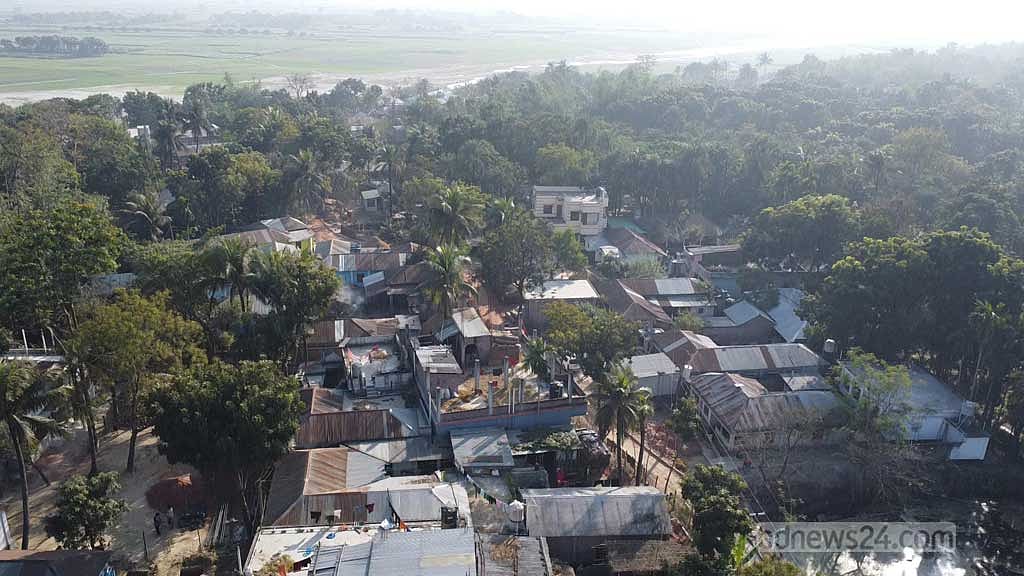
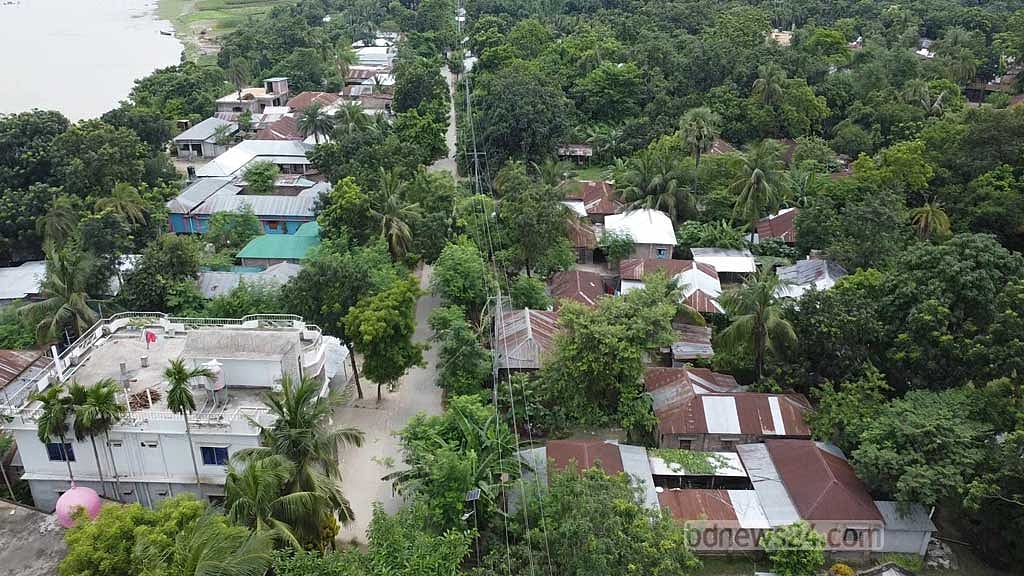
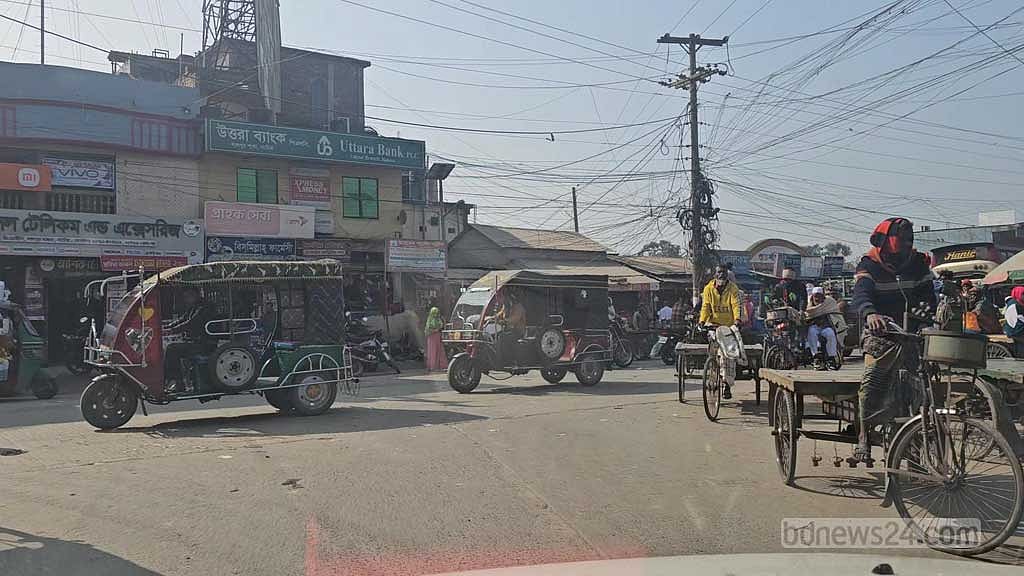
Bilmaria, along the Padma with India on the other side of the river, was once known for smuggling and arms trafficking. Most people made their living from agriculture, growing crops on river sandbars and raising livestock.
A decade ago, poverty was more visible. Most homes were made of mud and tin, with concrete houses few and far between. The area remains poor, but large concrete houses have increasingly appeared.
Locals say some of the young men living in them once worked as labourers in homes and fields. Now, they employ others and drive expensive cars.
From a Phone to a Fortune
Imo, a messaging and calling app widely used by Bangladeshi expatriates, has become the centre of an alleged fraud trade.
The app is easy to install and works on relatively slow internet connections. Hackers reportedly exploit its use across multiple devices, deceiving users into handing over one-time passwords and then gaining access to their accounts.
Once inside, they can obtain chats, photographs and videos, which are allegedly used to blackmail victims and extort money.
Victims in Kuwait, Malaysia and Bahrain have reportedly been targeted. Residents say the hackers sometimes use women's voices when communicating with potential victims.
Many incidents allegedly begin at mobile phone repair shops, where account IDs and passwords can reach people involved in the trade.
The money can run into millions of taka. Victims often pay rather than risk having private conversations or images exposed.
A Network That Watches Back
Locals say the alleged hackers are not working alone. People are stationed at different river ghats and roads to monitor police and security personnel, warning others when law-enforcement agencies approach.
One resident said police raids take place, but speaking openly about the suspects can be dangerous.
“There is a large network here, with many people involved openly and others secretly. They have money, and people are afraid because they can attack or threaten you,” he said.
Conversations with police, village police and residents produced the names of at least 50 people alleged to be involved in hacking or fraud.
A village police member in Maharajpur recognised the names and helped locate their homes. But he warned that the suspects might already know about the visitors.
“You may have already been detected by the hackers. You won't find anyone at home now. They will have fled,” he said.
Several homes were indeed empty.
Locked Doors and Denials
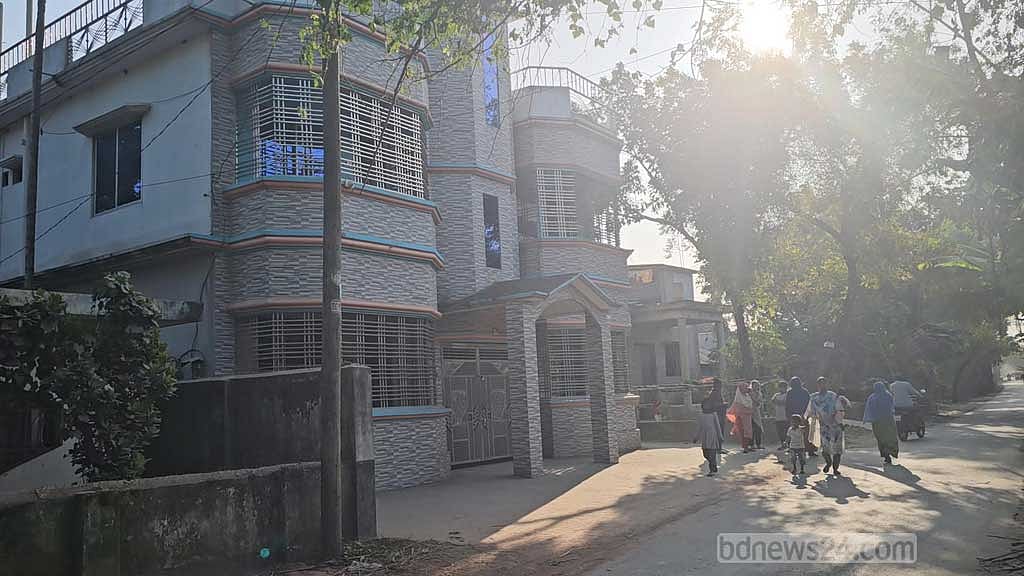
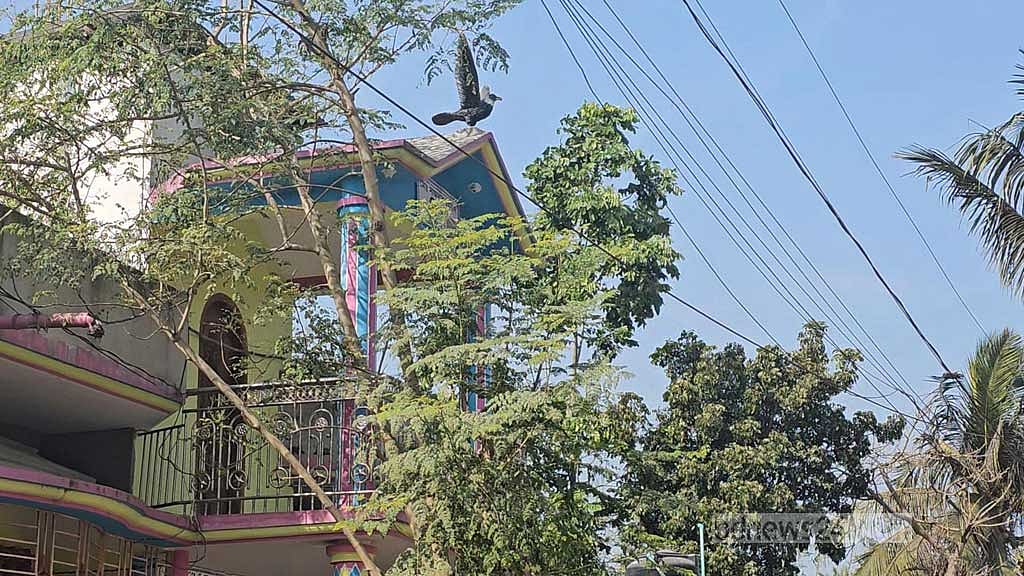
Maharajpur is still largely made up of tin-roofed homes, making its larger concrete houses conspicuous.
Sirajul Islam, known as Paka, is described by locals as one of those who first introduced Imo fraud to Bilmaria. Residents say many young people learned the trade from him.
He was not at home. His relatives declined to discuss him after learning the reason for the visit.
Another Sirajul Islam, son of the late Jabbar Pathan, was also absent. His wife rejected the allegations.
“My husband has become a good person now. You leave the house. If there are cases, they are old. There is nothing now,” she said.
Mahabul's house was next. His father, Abul Hossain, is listed by police as an alleged Imo fraudster. Most rooms were locked, while Sirajul's mother emerged and angrily questioned why the visitors had entered.
Arif, another person accused in an Imo fraud case, did not respond. His mother Akhlima Khatun denied the allegations.
Sahabul, also listed by police as a suspected hacker, was away. His wife Ratna Khatun said he was innocent.
Asif's father Sajdar Rahman acknowledged that his son had been involved in the activity but said he would no longer allow him to stay in the village.
“My son will not stay in the village anymore. I will send him away. I had warned him before, and the administration had also warned him to mend his ways,” he said.
Visible Signs of Sudden Wealth
The alleged trade has changed spending habits in Maharajpur, Mohorkaya and Pasipara, residents say.
Unemployed young men who once had little money now ride motorcycles, eat expensive food and spend freely.
Teacher Abdul Raihan Nannu said the behaviour has become a source of shame.
“The people you are talking about do not move around properly. We are now ashamed because of them. As a conscious member of society, I certainly want these things to be prevented,” he said.
Mominul Islam said the spending has begun to affect ordinary villagers.
“We buy fish for Tk 200 or Tk 300 a kilogram, but they buy the same fish at an even higher price. When a cow is slaughtered in the market, they pay more and take it, leaving nothing for ordinary people,” he said.
“Everyone knows they smoke [Benson $ Hedges] cigarettes and wash their faces with coconut water. Drug use is also widespread, and most of them are addicted.
“This has now become a business. Ninety percent of the people in the area are involved in this profession. They always have lawyers and such people ready to deal with cases.”
Abu Sayeed said the change can be seen in the cars and spending.
“Just two days ago they were working as labourers, and now they drive cars worth Tk 400,000 to Tk 500,000. They spend Tk 10,000 on a single shopping trip. They wash their faces with coconut water and spend Tk 1,500 to Tk 2,000 at salons. We cannot even afford Tk 50,” he said.
“It creates problems within families too. Wives and daughters-in-law ask, ‘Why can't you do as much as they do?’”
Osman Gani said the young men had no conventional jobs.
“They do nothing. They are simply unemployed. They just carry phones around and hack. They earn a lot of money. Their lifestyle is completely different. They spend thousands of taka on drugs every day,” he said.
“But if I name them, my life will not be safe. They are unruly. If I speak, they will beat me and my family.”
Jahidul Islam said residents had little faith in arrests making a lasting difference.
“If we speak, we will have no place to stay; they will come after me. Police catch them and then release them. How much do they need? Tk 50,000, Tk 100,000, Tk 200,000. They give it away right away,” he said.
SIM Cards, Cameras and Coded Numbers
The alleged operation extends beyond Maharajpur.
In Amritpara, Arbab and Shahin, residents identified an alleged Imo fraudster who was building a large mansion behind a semi-concrete house.
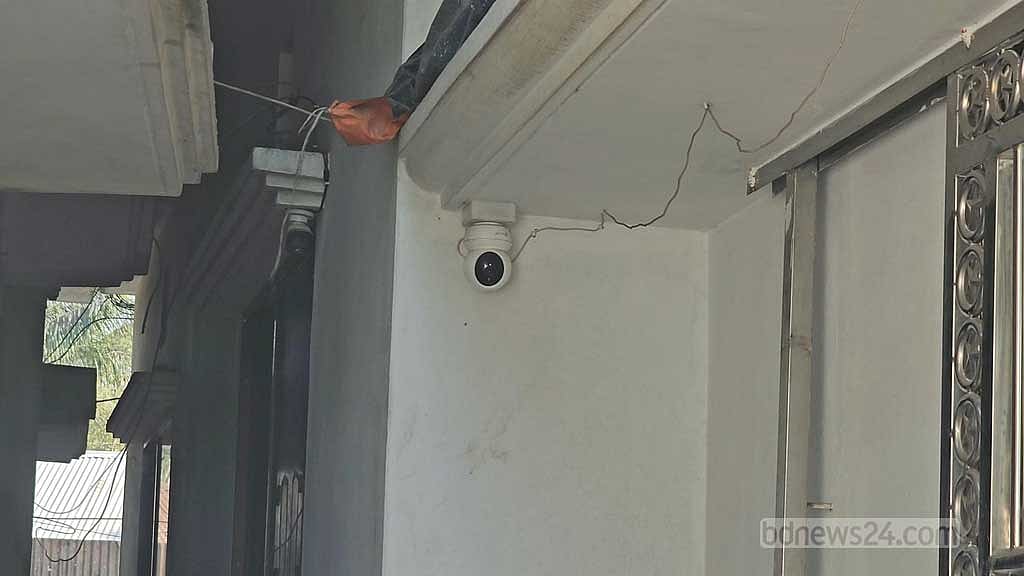
In Mohorkaya, police accused Ohidul Molla of installing at least 20 CCTV cameras from the road to his home, allowing him to monitor police movements and flee before they arrived.
Inside his house, police found a CCTV monitor and concealed air-conditioning equipment. Ohidul was recently arrested.
Police say he used 68 SIM cards across seven phones for hacking. A paper chart listed the numbers alongside codes indicating their registration with Nagad and bKash accounts.
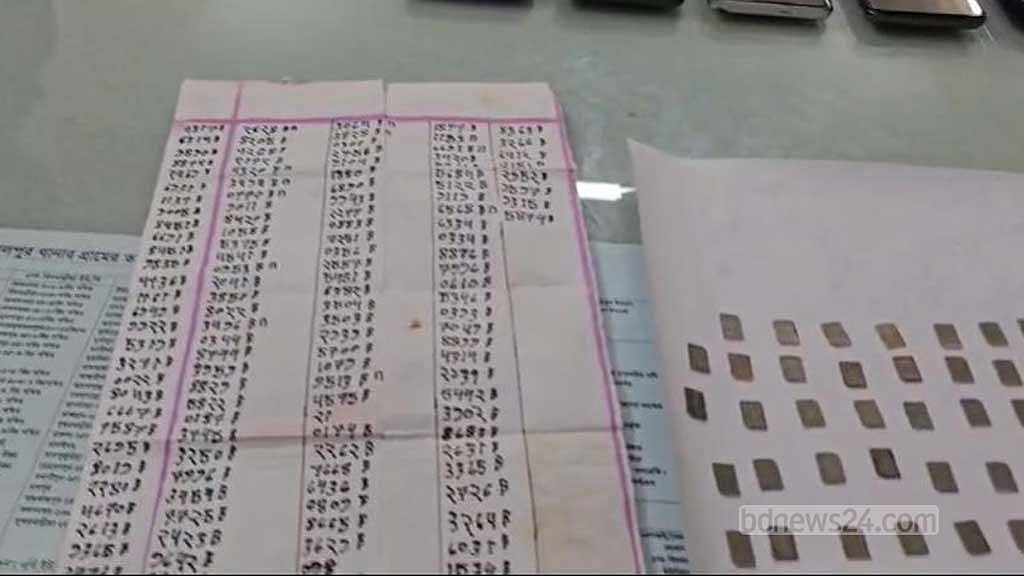
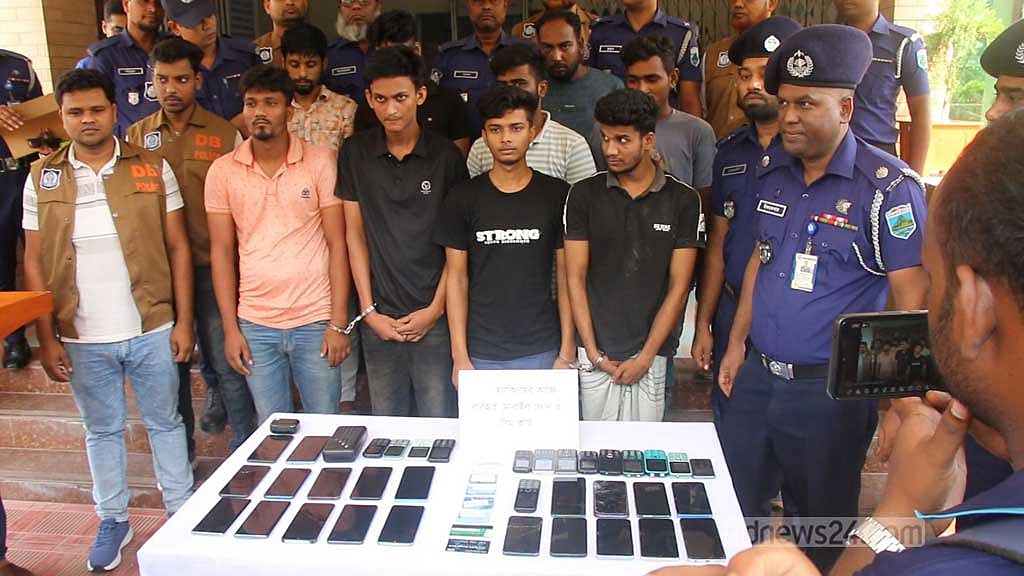
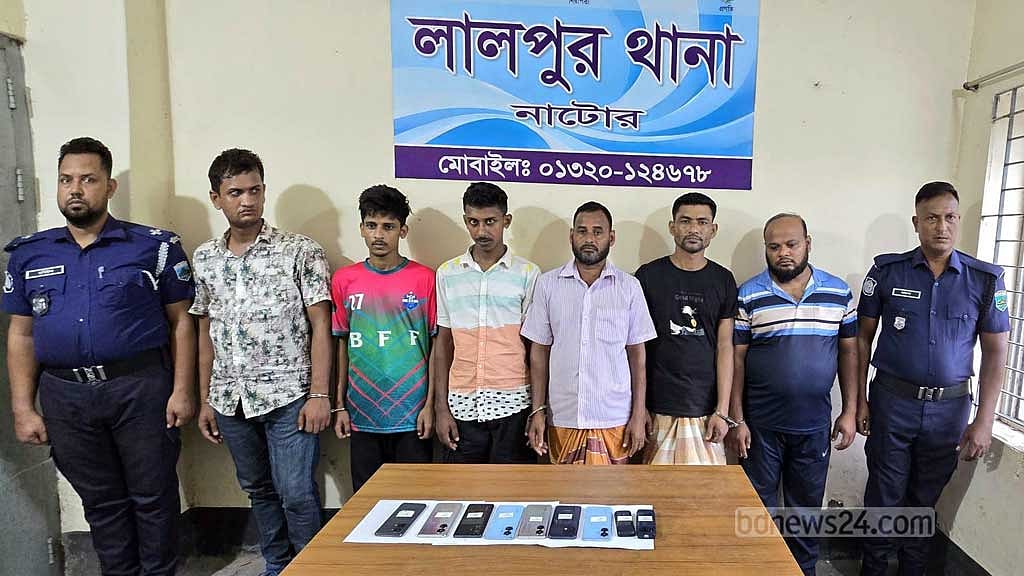
Lalpur Police chief Shafiqul Islam said Ohidul was among six people arrested together.
Police say 75 people have been arrested across Lalpur for alleged Imo hacking in the past six months, with 24 cases filed.
Suspects buy SIM cards for Tk 1,000 to Tk 1,500 and use them for only 10 to 15 days to evade detection, police say. They once withdrew the proceeds through local mobile financial service agents, but now use people in other districts to collect the money.
The Money Is Hard to Recover
Additional Superintendent of Police Shovon Chandra Hoar, who oversees the Baraigram-Lalpur Circle, said victims rarely come forward.
“We do not receive many complaints from victims. Most of them are from outside the district. It is difficult to prevent this until ordinary people become aware,” he said.
“Every complaint is investigated. But recovering money after an Imo fraud is committed is almost impossible. So people must be alert before they are defrauded.”
For Bilmaria's residents, the allegations have become impossible to ignore. The new houses, motorcycles and expensive habits are visible. So are the locked doors, CCTV cameras and sudden departures when police appear.
But for those who live alongside the alleged hackers, knowing who they are is one thing.
Saying their names aloud is another.