Published : 28 May 2026, 07:47 AM
Updated : 21 Aug 2026, 03:47 PM


Joy amid Jeopardy
Neonatal deaths: Public anger grows over the sudden deaths of six newborns in Dhaka, casting a shadow of grief over Eid
Inflation hits families: Soaring food prices and high livestock costs force households to drastically ration their holiday budgets
Hazardous holiday travel: Millions face heavily waterlogged highways and fatal accidents whilst travelling home on unsafe transport
Rain drifted across Bangladesh in pauses and bursts as the country entered Eid-ul-Azha, the Muslim festival of sacrifice arriving this year beneath heavy skies and heavier emotions.
In the dim hours before Eid, cattle markets churned through mud, highways groaned under the pressure of millions heading home, and families prepared for prayers, slaughter and reunion.
Yet alongside the familiar rituals came a country weighed down by grief, economic strain and public anger over a series of recent national tragedies.
At the centre of the festival remains the idea of sacrifice itself -- not merely the ritual slaughter of animals, but the surrender of greed, vanity and selfishness.
One of the biggest religious festivals for Muslims is being observed across Bangladesh on Thursday, with worshippers gathering for Eid prayers before offering sacrificial animals and distributing meat among relatives, neighbours and the poor.
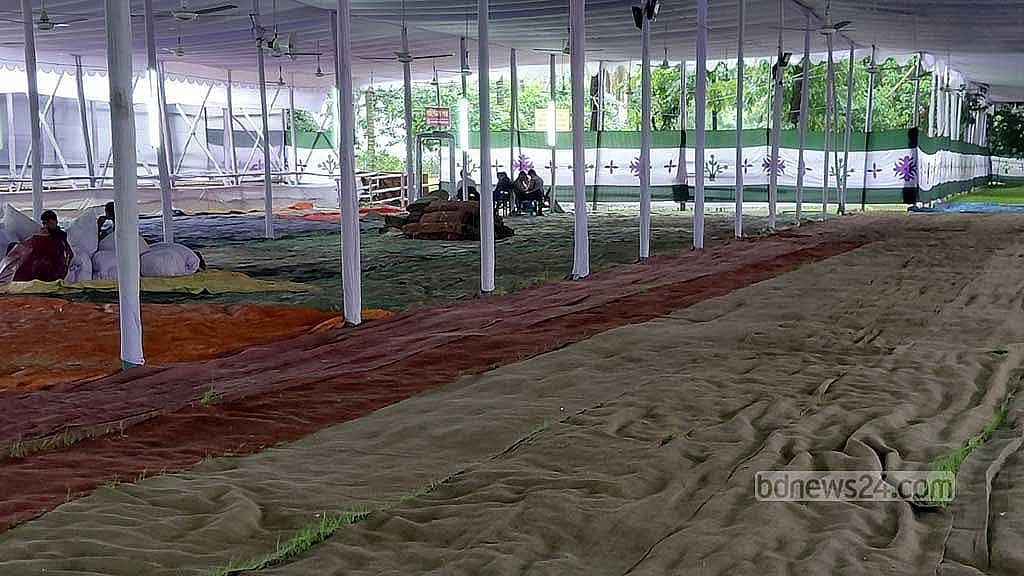
Dhaka’s National Eidgah has been prepared for the main congregation, where President Mohammed Shahabuddin, Prime Minister Tarique Rahman, cabinet members, Supreme Court judges, politicians and ordinary worshippers are expected to stand shoulder to shoulder in prayer.
In separate messages, both the president and the premier urged people to share the joy of Eid with the poor and marginalised.
But this year’s Eid arrives at a tense national moment.
Bangladesh’s BNP-led government has just crossed its first 100 days in office and is still attempting to consolidate control ahead of its first national budget after Eid.
Meanwhile, Jamaat-e-Islami and its ally the National Citizen Party (NCP) are increasing pressure on the government in parliament and on the streets with the budget for the 2025-26 fiscal year to follow after Eid.
The Awami League, ousted during the 2024 mass uprising, remains largely absent from public politics nearly two years later.
Sheikh Hasina, the party’s chief, continues to live in exile in India after being sentenced to death in absentia, while many senior leaders remain underground.
At the same time, the economy continues to strain under inflation and global uncertainty.
Oil prices have climbed amid the US-Israel conflict involving Iran in West Asia, pushing up transport and commodity costs at home.
Despite signs of stabilisation, many households say relief has yet to reach them.
That pressure was visible in cattle markets across the country.
Many buyers struggled to reconcile shrinking budgets with rising prices, while traders complained of poor returns for their livestock.
Even so, the annual ritual retained its pull: families walked through crowded markets comparing cattle, bargaining intensely and returning home with their chosen sacrifice.
For middle-income buyers, small cattle priced around Tk 55,000 remained popular, while wealthier customers spent between Tk 400,000 and Tk 500,000 on premium animals.
Traders said medium-sized cattle -- typically priced between Tk 100,000 and Tk 150,000 -- dominated demand this year.
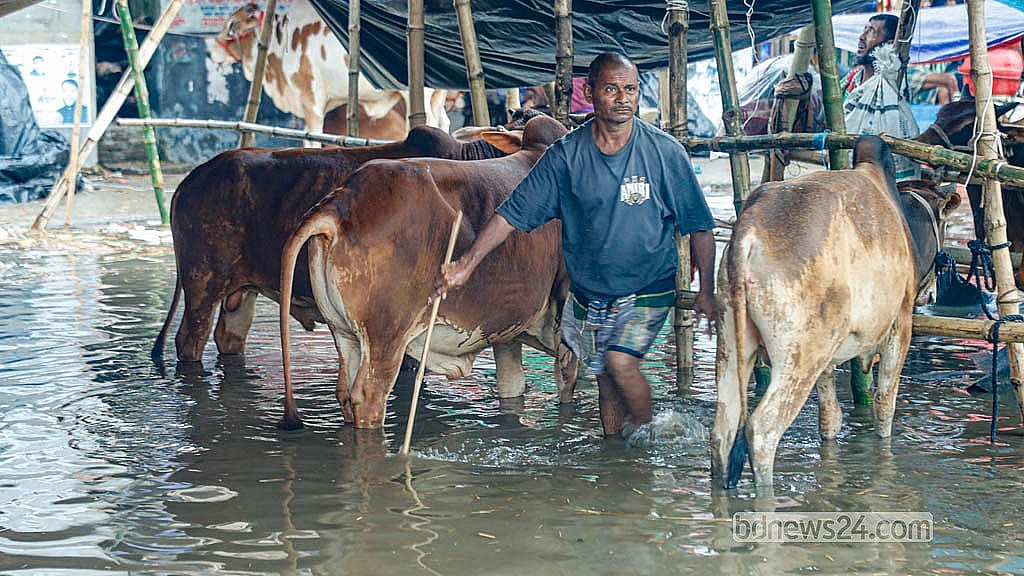
Rain complicated nearly every aspect of the trade.
Across makeshift cattle markets, muddy grounds forced traders onto roadsides as buyers navigated waterlogged lanes under umbrellas and plastic sheets.
Yet the markets still produced their annual spectacle.
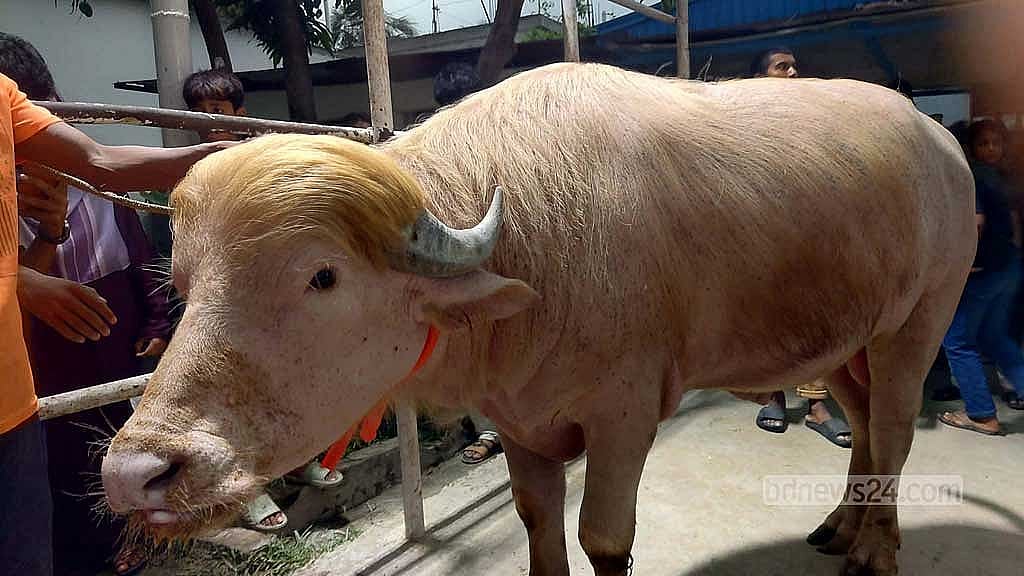
Among the season’s most talked-about animals was an albino buffalo from Narayanganj named “Donald Trump”, after social media users compared its white coat, pink complexion and golden hair to the US president.
The 700kg animal became an internet sensation before eventually being moved under state protection to the National Zoo.
A Country Carrying Grief
This Eid also arrives amid a succession of deeply unsettling national incidents.
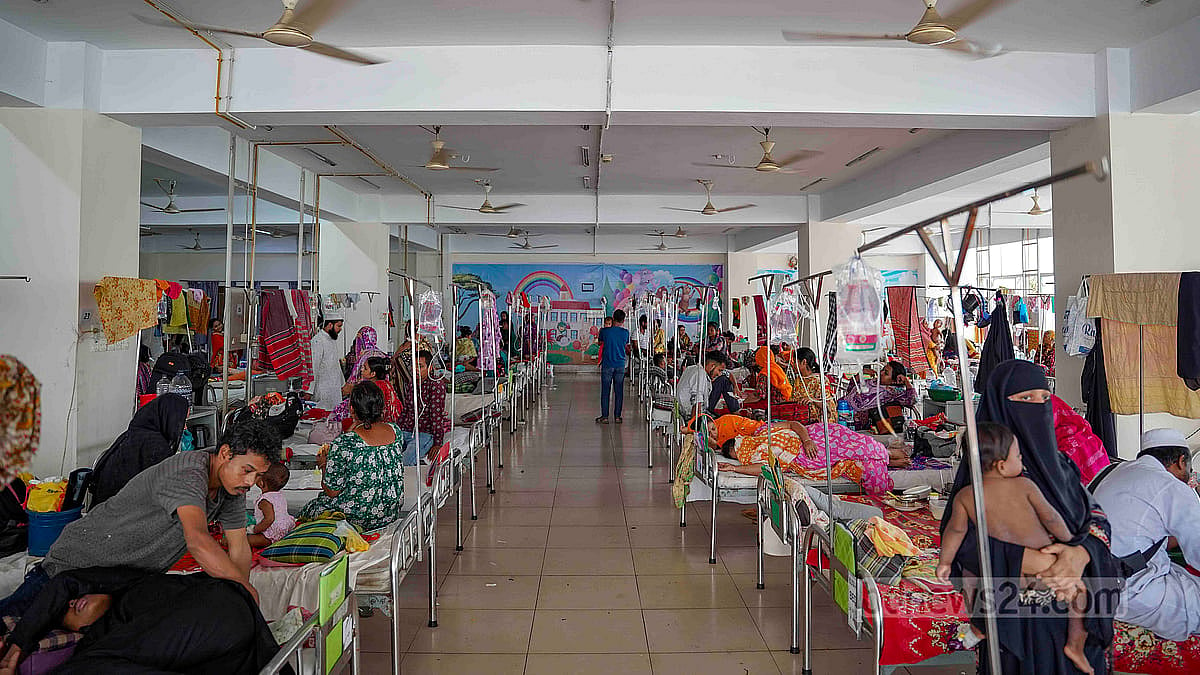
Reports continue of children dying from measles and related complications, with criticism over gaps in vaccination coverage during the interim administration.
The rape and murder of 8-year-old Ramisa Akter in Dhaka’s Pallabi has intensified demands for swift justice in crimes against children.
And only hours before Eid, six newborns died inside the post-operative ward of Ad-din Medical College Hospital in Moghbazar, triggering nationwide outrage and multiple investigations into possible ventilation failure or technical fault.
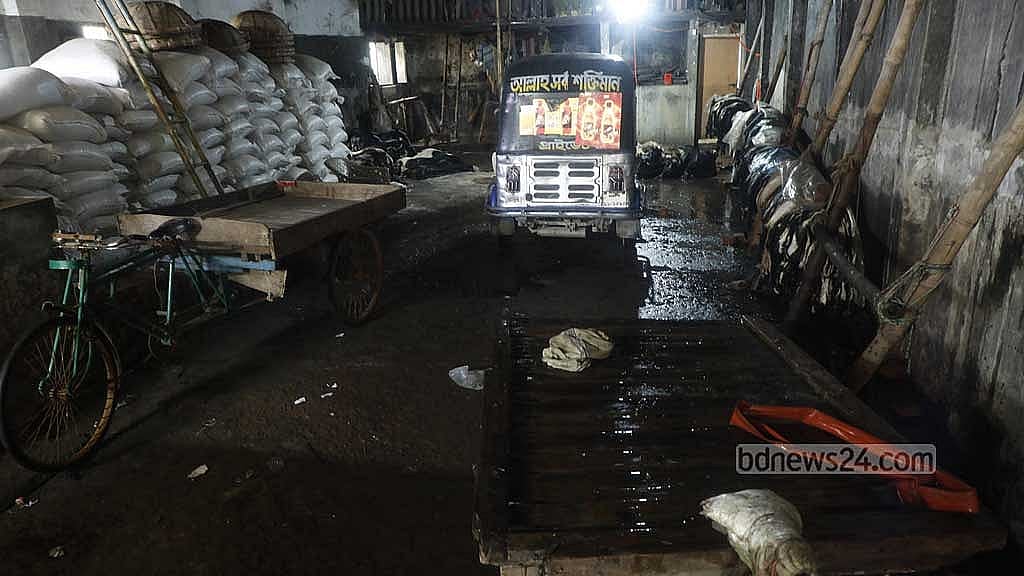
For the families of those infants, Eid arrives carrying unimaginable grief.
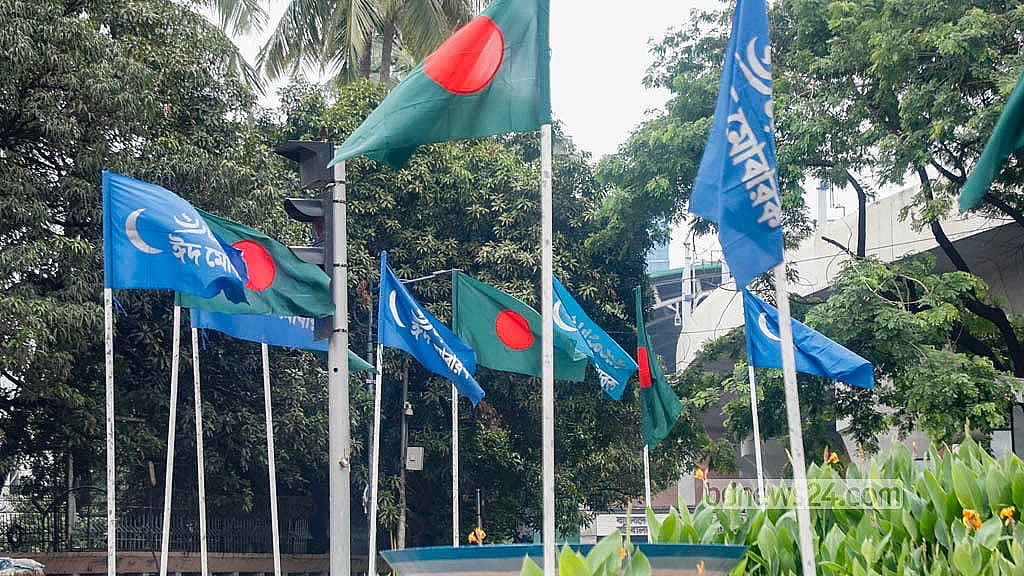
Meanwhile, authorities have sought to maintain festive conditions in the capital. Roads in Dhaka have been decorated with colourful banners and flags, while improved meals are being served in hospitals, prisons, orphanages, rehabilitation centres and state shelters.
Bangladesh Television, Bangladesh Betar and private broadcasters have scheduled days of special Eid programmes.
Journey Home
To ease pressure on Eid travel, the government created a rare seven-day holiday stretch by cancelling a weekly holiday earlier in the month.
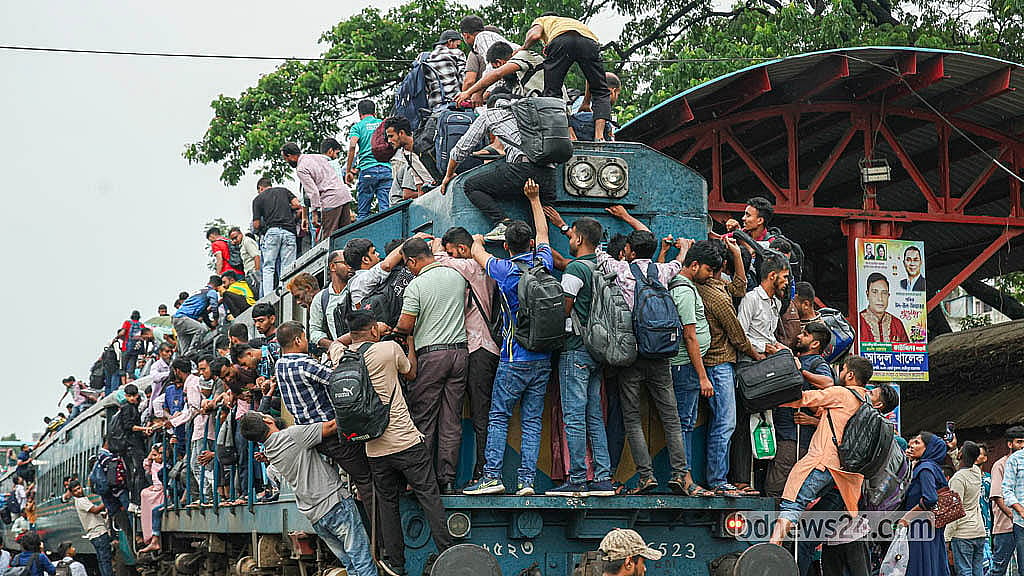
Government, semi-government and private offices closed from May 25 to May 31, triggering one of the largest population movements of the year.
The Bangladesh Passenger Welfare Association estimates that between 10 million and 11.5 million people left Dhaka for Eid.
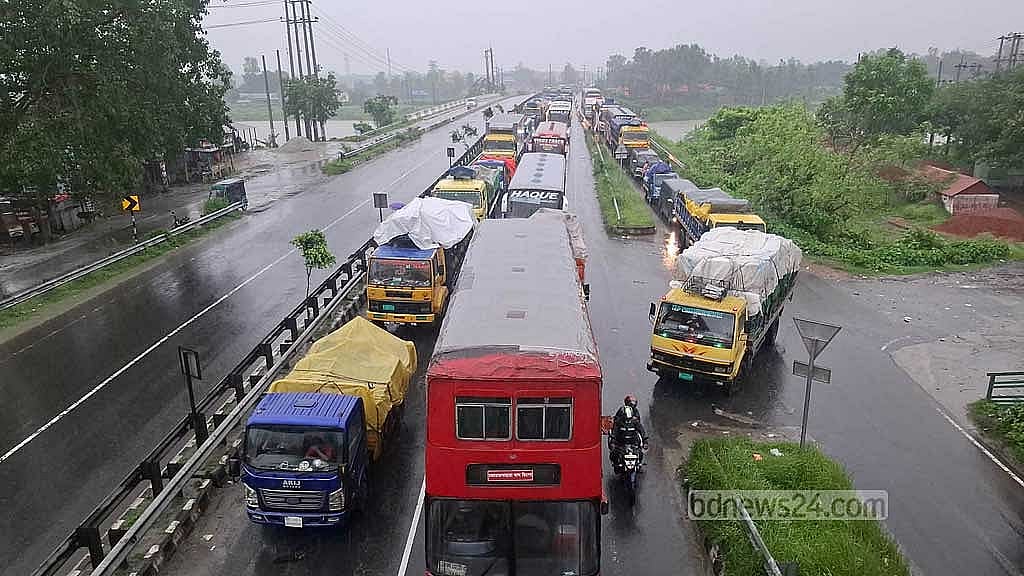
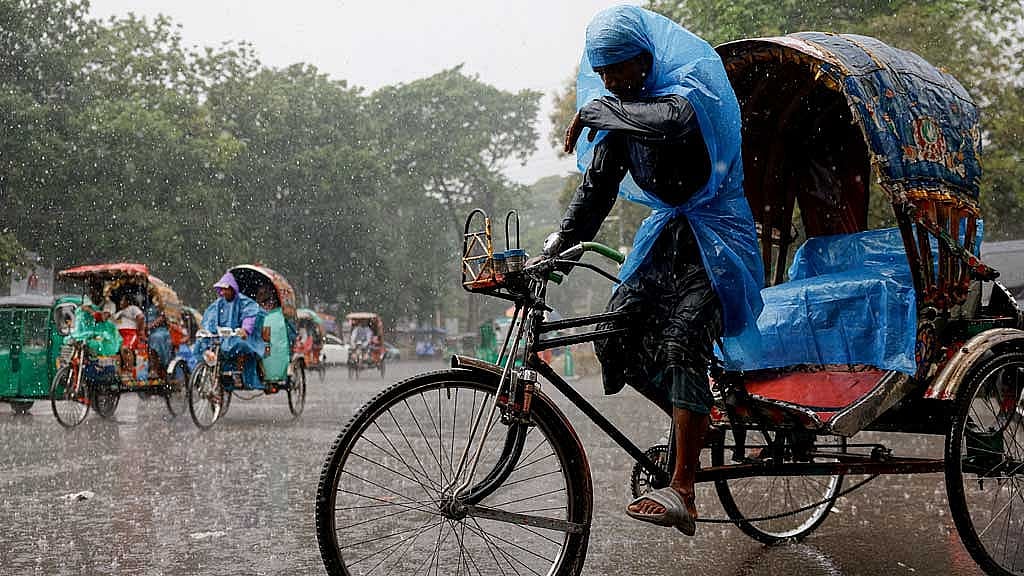
But the journey was again marked by rain, congestion and risky travel practices.
Intermittent gridlock continued along the Dhaka-Tangail-Jamuna Bridge Highway, while many passengers travelled in pickup vans and cargo trucks despite repeated warnings.
One such journey ended in fatalities on Sunday night when a rod-laden truck carrying Eid travellers crashed in Tangail, killing 15 people -- 10 of them from Naogaon.
Home Minister Salahuddin Ahmed described the incident as “deeply tragic”, while insisting that overall accident numbers remained lower than previous years.
“If passengers themselves remain aware, such accidents can be avoided,” he said.
Weather and Waste
The Bangladesh Meteorological Department (BMD) has warned that rain is likely to continue through Eid and into Saturday.
Forecasts indicate that many areas in Dhaka, Rajshahi, Khulna, Mymensingh and Sylhet divisions may experience rain or thunderstorms on Eid day, with heavy to very heavy rainfall possible in some regions.
Meteorologist Tariful Newaz Kabir said Dhaka may see light to moderate rain in both the morning and afternoon.
Rain on Eid morning could complicate prayers, animal slaughter and meat processing, while also straining urban drainage systems.
Several years ago, heavy rain during Eid submerged parts of Dhaka’s Shantinagar in floodwater mixed with animal blood, creating scenes widely described as “rivers of blood”.
City corporations say they are determined to avoid a repeat.
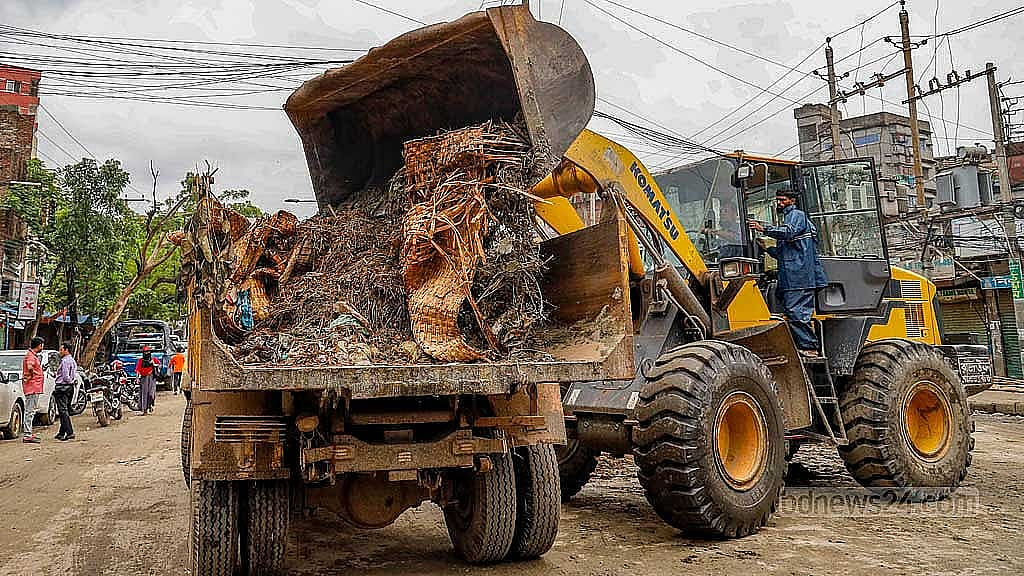
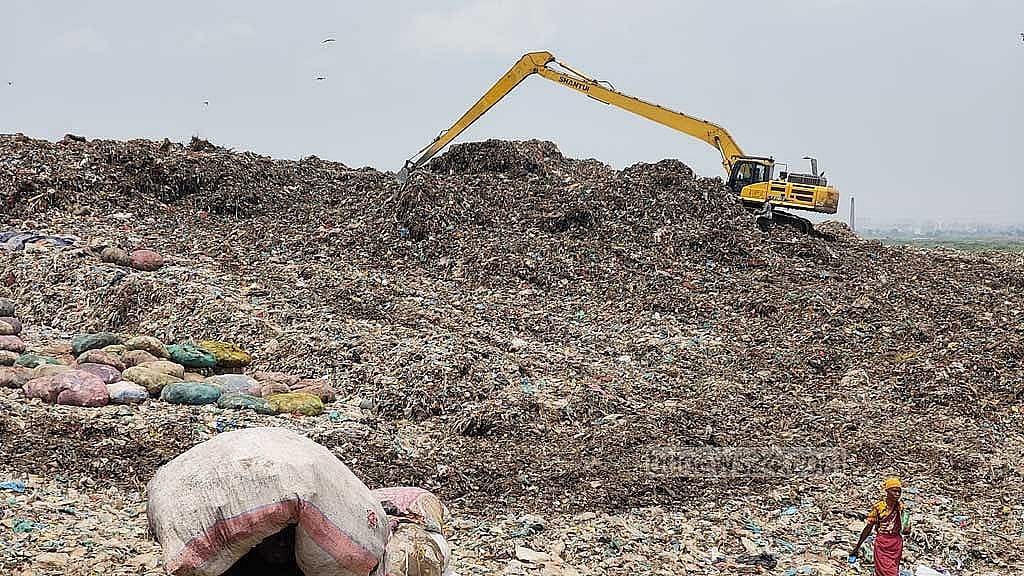
Dhaka South City Corporation plans to deploy around 13,500 workers to remove nearly 34,000 tonnes of waste over three days, while Dhaka North City Corporation will mobilise 16,000 cleaners and more than 750 vehicles.
Officials have distributed millions of polythene bags alongside disinfectants and cleaning supplies.
Authorities have repeatedly urged residents not to dump sacrificial waste into drains, warning that blocked drainage combined with rain could trigger severe waterlogging.
Calls for Sacrifice Beyond Ritual
In his Eid message, President Shahabuddin urged citizens to share sacrificial meat fairly among relatives, neighbours and the poor.
“Eid-ul-Azha helps strengthen partnership, reduce inequality, and deepen compassion and brotherhood,” he said.
He also called for honesty, humanity, tolerance and sacrifice to be reflected in public and private life.
Prime Minister Tarique Rahman, in his message, prayed for peace and stability across Bangladesh and the wider world.
“I pray that Allah accepts our sacrifices,” he said, also calling for global peace, harmony and security.
As dawn prayers approach beneath rain-heavy skies, Bangladesh enters Eid carrying devotion alongside unease -- a nation preparing for celebration while still shadowed by loss, uncertainty and the weight of recent months.