Published : 30 Dec 2025, 01:16 PM
Updated : 21 Aug 2026, 02:56 PM


Khaleda Zia, the country’s first female prime minister and chairperson of the BNP, has died aged 79.
Her personal physician Dr AZM Zahid Hossain said she breathed her last early on Tuesday while receiving treatment at Evercare Hospital in Dhaka.
Members of her family were present at the hospital at the time of her death, including her elder son Tarique Rahman; his wife Zubaida Rahman; their daughter Zaima Rahman; the wife of her late younger son Arafat Rahman Koko, Syeda Shamila Rahman; Koko’s two daughters Jahia Rahman and Jafia Rahman; Khaleda’s younger brother Shamim Eskander and his wife Kaniz Fatema; the wife of her late brother Sayeed Eskander, Nasrin Eskander; her sister Selina Islam, among others.
BNP Secretary General Mirza Fakhrul Islam Alamgir was also present at the hospital.
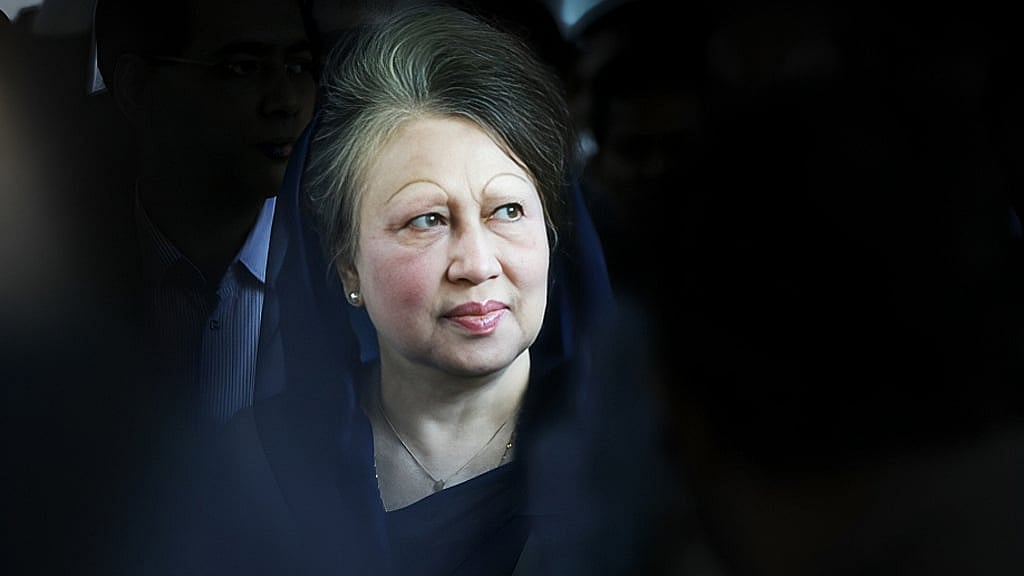
News of her death cast an immediate pall of grief. Several doctors and nurses at the hospital were seen breaking down in tears as the news broke.
The death was reported widely within moments on social media, where many expressed their condolences and shared messages of mourning.
Khaleda had been suffering from multiple complex and chronic health conditions, including liver and kidney complications, heart disease, high blood pressure, diabetes, arthritis and infection-related problems. She was admitted to Evercare Hospital at Dhaka’s Bashundhara on Nov 23.
As her condition deteriorated, Tarique, along with other family members, rushed to the hospital. After 2am, Dr Zahid came before journalists outside the hospital and said Khaleda was going through an “extremely critical” phase.
“On behalf of her family, we are calling on the people of the country to pray to the Almighty Allah for her recovery,” he said.
Several hours later, doctors declared her dead.
'UNCOMPROMISING LEADER'
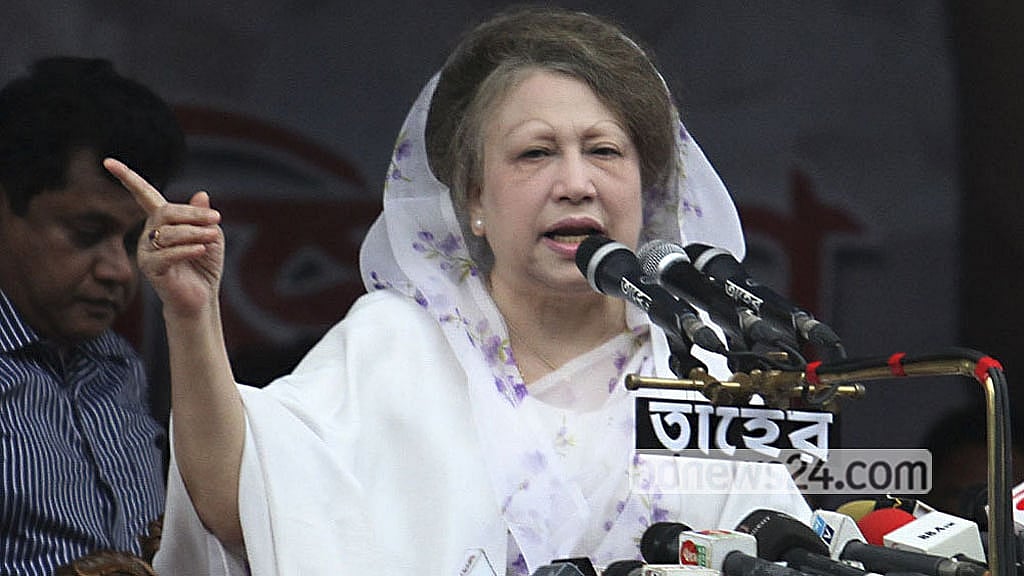
Emerging as the “uncompromising leader” during the anti-autocracy struggle of the 1990s, Khaleda spent much of her political life on the streets leading protests. She was arrested and imprisoned, but never fled the country. She never lost an election she contested in for parliament.
Khaleda was born on Aug 15, 1946, in Jalpaiguri in undivided India. Her family name was Khaleda Khanam and her nickname was Putul. Although her father Iskandar Majumder’s ancestral home was in Feni, she pursued her education while staying at her sister’s home in Jalpaiguri.
Iskandar later became involved in the tea business there and also married in the Teesta-side town.
After the partition of India in 1947, Khaleda’s family permanently settled in Dinajpur city in Bangladesh. She completed her primary education at a missionary school there before enrolling at Dinajpur Government Girls’ High School.
In 1960, Khaleda married Captain Ziaur Rahman of the Pakistan Army. She later moved to West Pakistan, where her husband was posted.
After independence, then president Ziaur Rahman formed the BNP on Sept 1, 1978. Following Zia’s death in a failed military coup in 1981, Khaleda took the reins of the party, despite being a homemaker with no prior political experience.
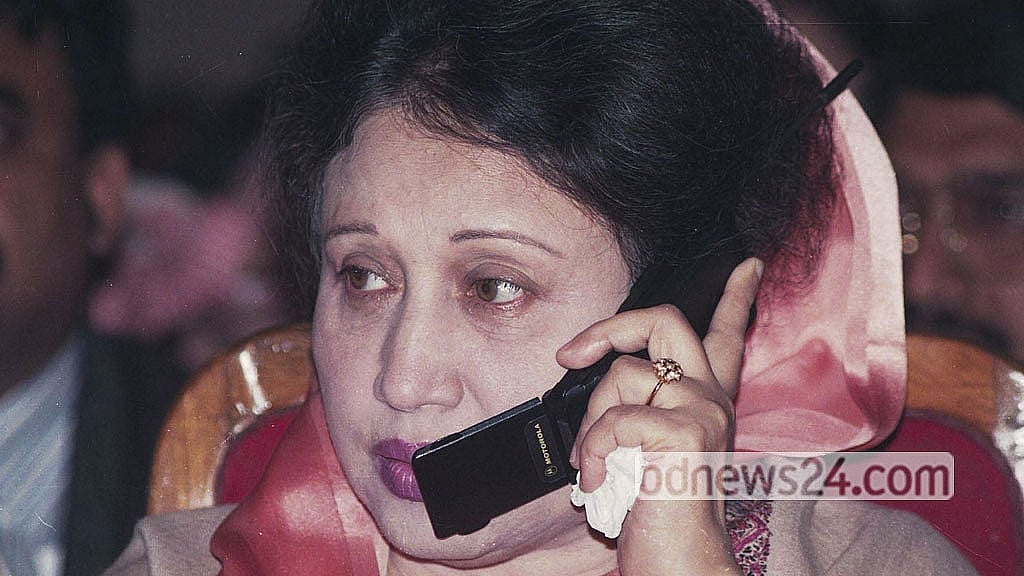
In 1983, under her leadership, the BNP formed a seven-party alliance and launched a movement against the rule of military strongman HM Ershad. Throughout that movement, she refused to compromise with the Ershad government.
While other major political parties made concessions during the movement, the BNP under Khaleda’s leadership rejected any compromise, as she became known among party activists as the “uncompromising leader”.
On Feb 27, 1991, Khaleda cast her vote for the first time in her life in a long-awaited parliamentary election. Contesting from five constituencies, she won all five. The BNP emerged as the largest party in parliament, and Khaleda became Bangladesh’s first woman prime minister and the second female prime minister in the Muslim world.
She went on to contest in five seats each in the June 1996 election and the 2001 election, winning all of them. Her last election was in 2008, when she again won all three seats she stood in.
The BNP formed a government after a one-sided election in February 1996 boycotted by most parties, but that government lasted less than a month.
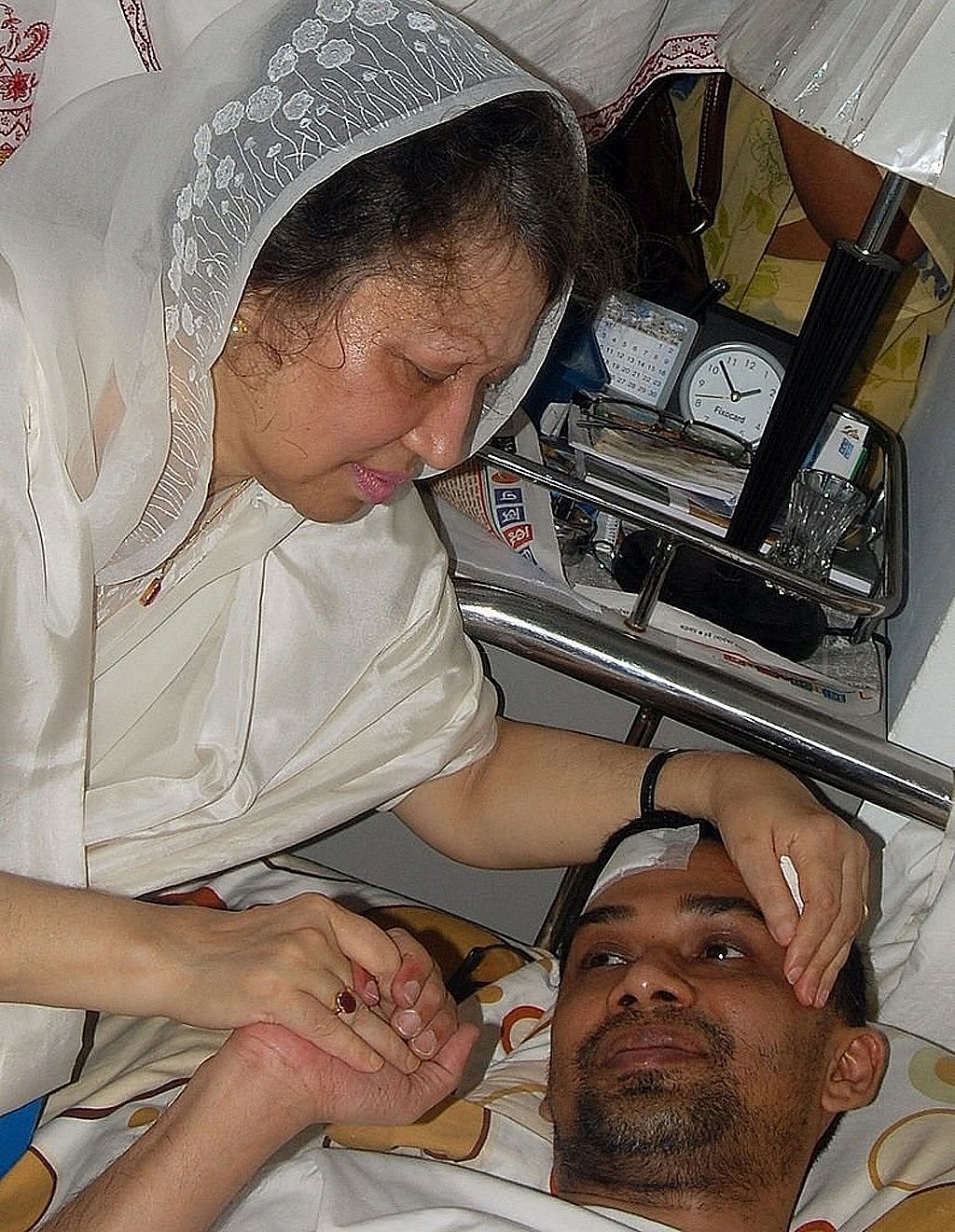
In 2001, the BNP formed a four-party alliance with the Jamaat-e-Islami, Islami Oikya Jote and the Jatiya Party, winning the eighth parliamentary election by a landslide and forming the government. Khaleda returned as prime minister.
During the state of emergency in 2007, she and Tarique were arrested. Khaleda was released in September 2008 after a year in custody.
Tarique was also released and later left for London. After spending more than 17 years in exile, he returned to Bangladesh on Dec 25 ahead of the parliamentary election, set for Feb 12.
Koko had died a decade earlier.
When Khaleda was arrested during the emergency, Awami League chief Sheikh Hasina was also arrested around the same time. After their release, Hasina went abroad for medical treatment, while Khaleda declined a similar opportunity and chose to remain in the country.
She told journalists at the time: “I have no address abroad. This is my address. This country, its soil and its people are everything to me. So I will not leave the country.”
Although her words at the time helped rally party activists, the BNP failed to recover. In the 2008 general election, the party won only 30 seats. Following the crushing defeat, Khaleda’s party never returned to power.
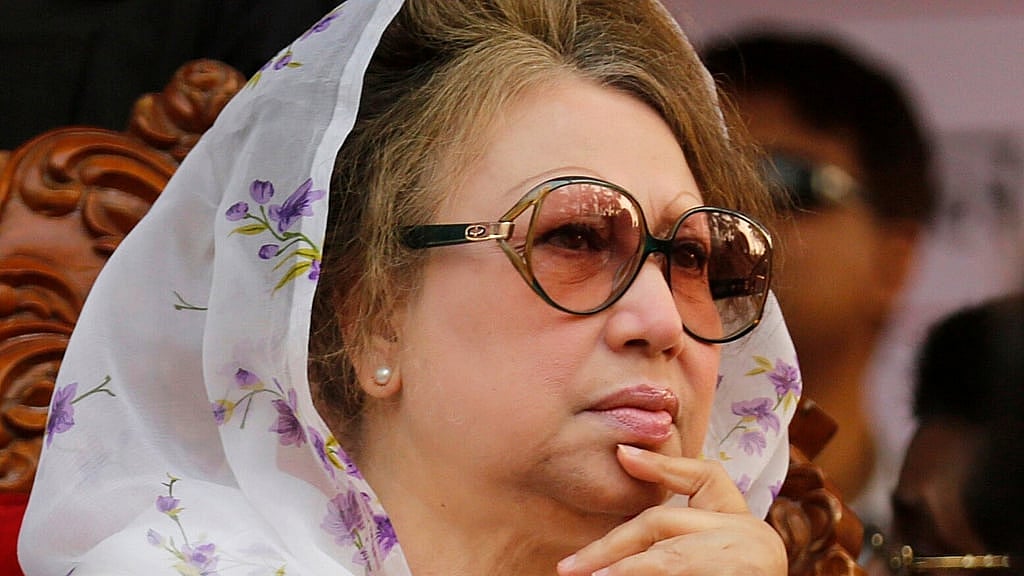
In 2010, during the Awami League government’s tenure, Khaleda was evicted from her residence on Shaheed Mainul Road. After boycotting the Jan 5, 2014 election, the BNP was pushed out of parliament and returned to street politics.
Amid mounting political pressure, Khaleda faced a series of legal cases. On Feb 8, 2018, a court convicted her in the Zia Orphanage Trust corruption case and sent her to prison.
She was later sentenced in the Zia Charitable Trust case as well. With the party under severe strain, the BNP appointed London-based Tarique as its acting chairman.
During the coronavirus pandemic, on Mar 25, 2020, the Awami League government suspended Khaleda’s sentence by executive order and released her on conditional bail. Under the terms, she was required to stay at her Gulshan residence and was not permitted to travel abroad for medical treatment.
As a result, despite her release, the BNP chairperson lived a largely confined life, cut off from active politics. She was hospitalised several times during this period and underwent multiple major surgeries.
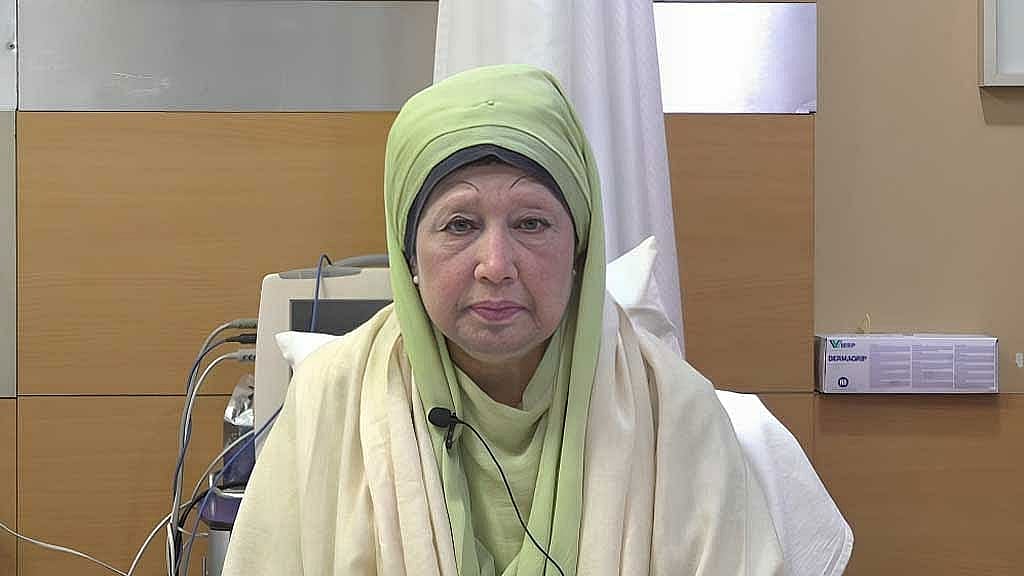
The situation changed after the fall of the Awami League government in the July Uprising 2024. On Aug 7 that year, Khaleda was released by presidential order. The High Court later acquitted her in both cases, clearing the stain of corruption convictions.
By then, however, years of illness had taken a heavy toll. Even after her release, she did not appear in person at any party or political programme.
Earlier this year, in January, Khaleda travelled to London for medical treatment, where she reunited with her elder son after many years.
Her last public appearance was on Nov 21, when she was seen at the Armed Forces Day event at Senakunja, Army Headquarters, in Dhaka. 40 days later, news of her death emerged.