Published : 29 Sep 2026, 02:37 PM
Updated : 29 Sep 2026, 02:37 PM


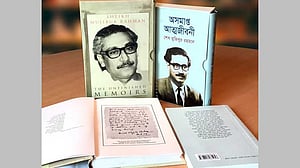
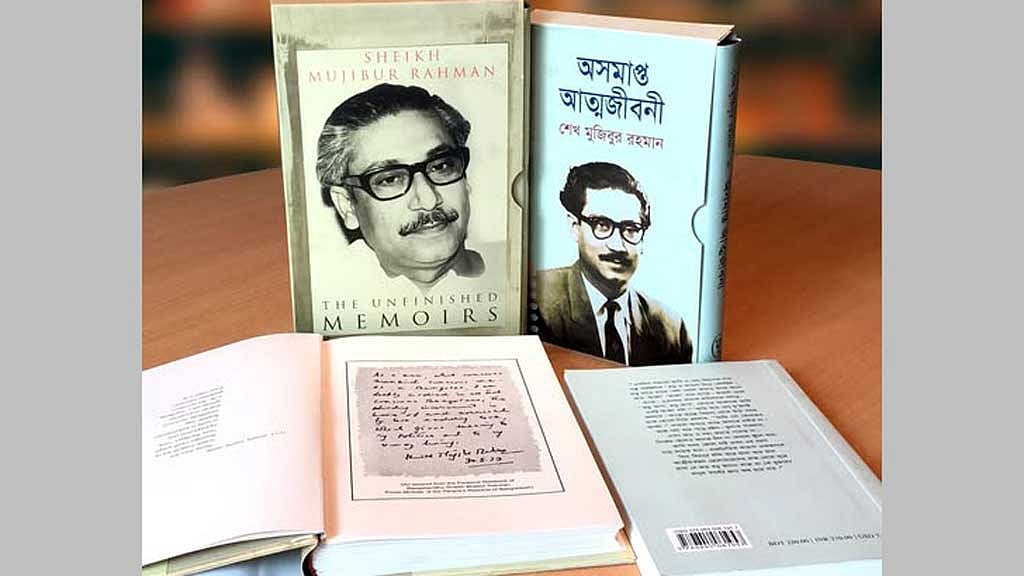
Two sales staff of publishing house University Press Limited (UPL) have reportedly been harassed and handed to police over the sale of The Unfinished Memoirs, written by Bangabandhu Sheikh Mujibur Rahman.
Police said the people were "local BNP activists"; the two employees were later released.
Matiur Rahman, chief of Sutrapur Police Station, said the incident took place around 5:30pm on Monday.
In a statement, UPL said two young men entered its outlet and asked to buy The Unfinished Memoirs.
Shown the book, they claimed it was "banned" and demanded to know why it was being sold, before pulling down the shop shutter, gathering people from the area and taking the two employees to a police outpost.
Officer Matiur said, “UPL has been publishing Sheikh Mujib’s The Unfinished Memoirs for a long time. Perhaps they had some copies of an older edition that had been printed earlier. For this reason, some people took two employees from there to the police.”
The employees were not taken to the police station but to the Faridabad Police Outpost, where they were released, he said.
“The police spoke to both sides and then released the two employees,” Matiur said.
Neither side subsequently filed a complaint with the police station, he added.
Asked about the political identity of the two young men who had gone to the UPL outlet, as well as the people accompanying them, Matiur said: “They are local BNP people.”
What Happened
Firoz Ahmed, director of UPL’s editorial department, said some people came to the Banglabazar showroom on Monday afternoon and “behaved aggressively”.
He said they claimed The Unfinished Memoirs was a banned book and demanded that its sale be stopped.
UPL told them the book was not banned, but they pulled down the shop shutter and “subjected two of our sales employees to severe harassment”.
Calling the incident “extremely shameful and unfortunate for the nation”, UPL said in a written statement that the incident was “unexpected”.
The publishing house said that if a book is to be banned, a specific procedure must be followed, everyone must be informed, and certain legal steps must be taken.
UPL said it has "faced pressure of one kind or another under almost every government", with officials and individuals objecting to various titles over the years
In the statement, it claimed that during the “previous government”, the University of Dhaka Syndicate had asked the publisher to apologise over one of its books.
The publisher also said it had faced harassment from the government when it refused to publish certain manuscripts.
According to UPL, powerful individuals had also pressured the company at various times not to publish certain other books.
It said that it had repeatedly faced pressure over the works of Moudud Ahmed.
UPL also said it published Prof Asif Nazrul’s book on the Ganges Water-Sharing Treaty based on reviewers’ opinions, despite the publication taking place during an “extremely difficult period”.
The publisher said it had tried to ignore such pressure in the interest of professionalism, even though doing so had cost it commercially on several occasions.
It said it had never deviated from its publishing standards or removed a book because of pressure.
“Our manuscript reviewers independently examine each book, and UPL publishes each book based on their evaluations and opinions. It is from this confidence that we derive our sense of self-respect, and with that strength, UPL does not remove any of its books because of pressure,” it added.
The statement also said that, as during the previous government, UPL continues to regularly advertise The Unfinished Memoirs on its page.
“We believe that The Unfinished Memoirs is an extremely important book for us and for the history of Bangladesh. The book provides much-needed context about the creation of Bangladesh and the origins of the Liberation War. UPL takes responsibility for every book it publishes. If this book is duly banned by any responsible authority, UPL will act in accordance with the law.”
The publishing house said it believes that interfering with the publication and sale of a book that does not incite any criminal offence is harmful to the “overall development of culture”.
It called on the state and society to take action against illegal activities that could harm publishing, knowledge and society, warning against the establishment of a “rule of thuggery” in the publishing industry.