Published : 30 Jul 2026, 09:31 PM
Updated : 08 Sep 2026, 09:28 AM


The Myanmar government has agreed to repatriate 300,000 Rohingya currently living in Bangladesh, according to Malaysian Prime Minister Anwar Ibrahim.
Myanmar will also be repatriating another 5,000 Rohingya from Malaysia, he said.
The breakthrough reflects Malaysia’s strong diplomatic ties with the military-led nation, Ibrahim said on Wednesday, according to English-language Malaysian newspaper The Star.
“That is why it is important to maintain good relations with Myanmar. They have now agreed to take back 5,000 Rohingya from Malaysia and 300,000 Rohingya from Bangladesh to Myanmar.
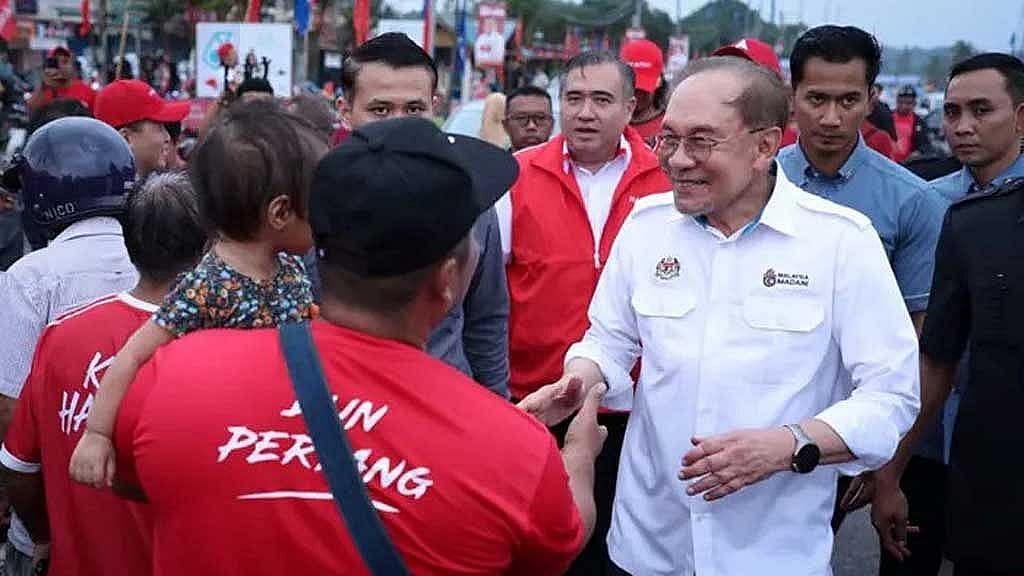
“Why? Because we negotiated. These matters require careful diplomacy,” he said in a speech in Chennah.
A flood of Rohingya refugees flooded into Bangladesh from Myanmar’s border state of Rakhine starting on Aug 25, 2017 in the face of a military crackdown.
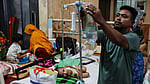
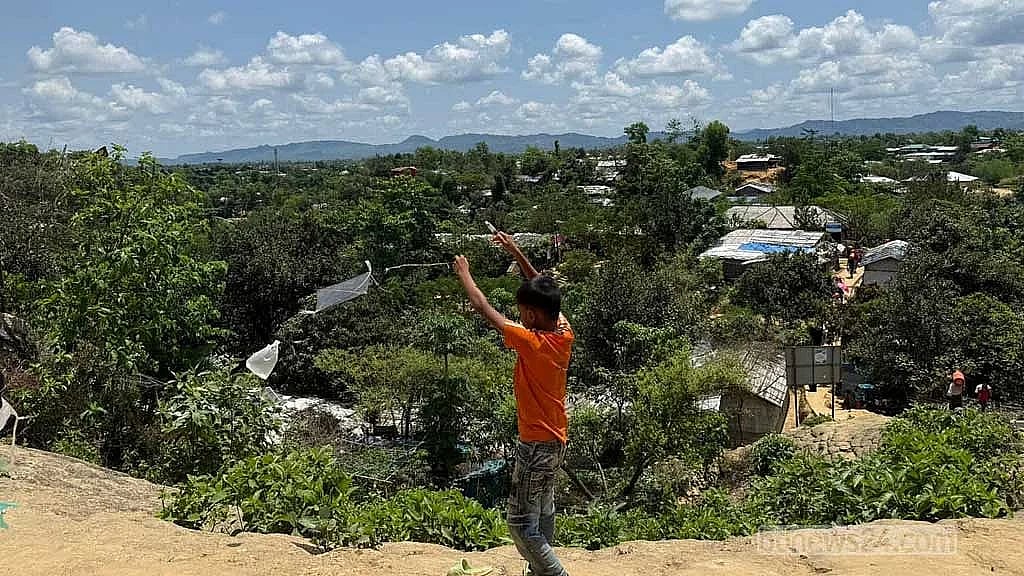
Within a few months, some 750,000 Rohingya had taken refuge in the Cox's Bazar Upazilas of Teknaf and Ukhiya, where another 400,000 Rohingya who had previously fled across the border were already living in camps.
More than 1.5 million Rohingyas are living in 33 refugee camps in Cox's Bazar.
In the face of international pressure, the civilian Myanmar government led by Aung San Suu Kyi agreed to take back the Rohingya at the end of that year.
In September 2017, they also signed a bilateral agreement with Bangladesh on the matter.
After discussions on various issues, including confirming the identities of the Rohingya who had fled, two repatriation initiatives were taken in 2019.
But the Rohingya did not trust security guarantees put forward by the Myanmar government, resulting in the collapse of talks.
Then came the COVID-19 pandemic, which drew the international community's attention away from the Rohingya refugee situation.
During this global crisis, General Min Aung Hlaing removed Suu Kyi from the government and seized power in February 2021. This set back the repatriation process once more.
Several attempts to return the Rohingya refugees as part of a tripartite initiative mediated by China failed.
The issue of repatriation largely fell to the wayside amid intense civil conflict between the Myanmar military and armed rebels in border areas.
Explaining why it was not possible to send the Rohingya back earlier, Prime Minister Ibrahim said: "People say, ‘Send them back, send them back.’ But where do we send them? Previously, Myanmar did not want to receive them.
“So we had to place them in designated locations.”
In addition to the announcement, Ibrahim also issued a stern warning to the Rohingya staying in Malaysia.
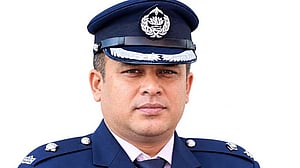
He said the inspector general of police has been instructed to take strict action so that no Rohingya would disrupt public order.
“I have already warned them, and yesterday I instructed the inspector-general of police that I do not want Rohingya disrupting roads and public places.
“This is Malaysia. They cannot disturb us. The police will take action,” he said.
He also urged the Rohingya community in Malaysia to respect local laws.
“I have told the Rohingya: do not disrupt the businesses of Malaysians. Do not disrupt traffic or the places where people live. Otherwise, people will become angry.
“This is our country. Malaysia is our country. Others should not disrupt it. That is why we have to be firm,” he added.