Published : 08 Feb 2026, 07:56 AM
Updated : 21 Aug 2026, 03:07 PM


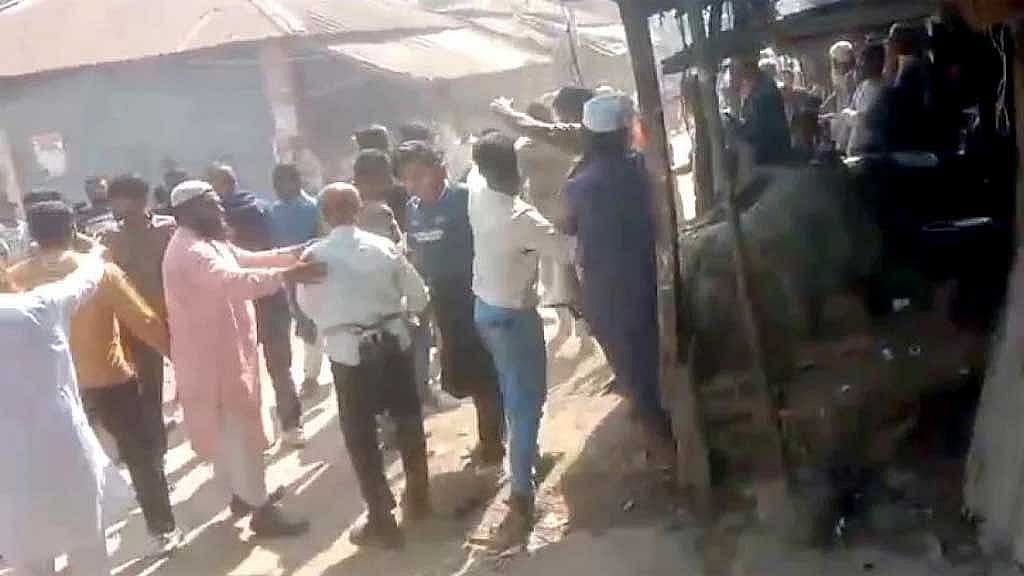
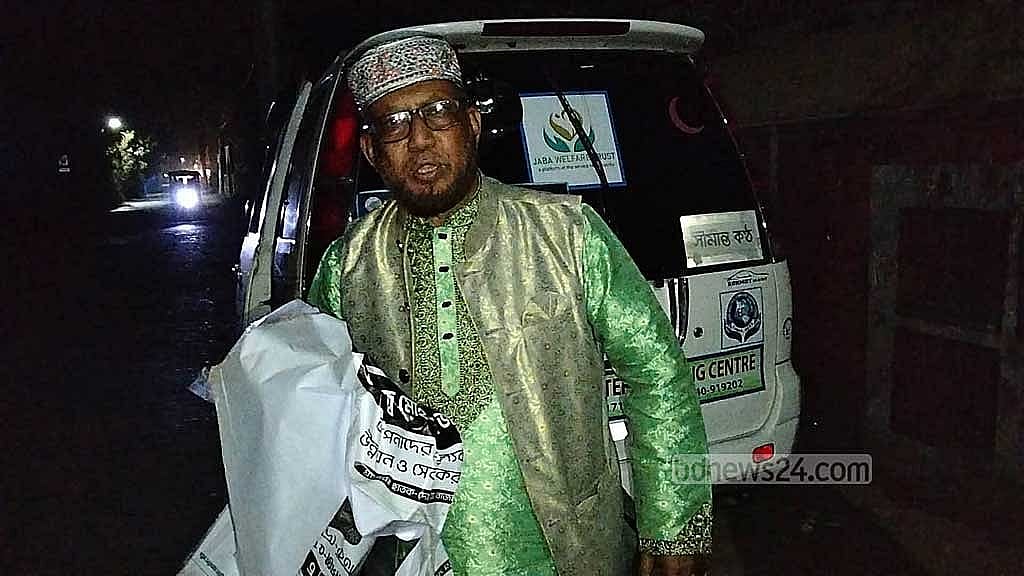
Abdur Rahim Farazi, a political activist in Bhola’s Monpura, had been eagerly preparing to vote. Until recently, the area seemed calm. Then a clash on Friday between rival parties shook the island Upazila.
“They are trying to muddy the waters,” he said, referring to what he described as an “opportunistic” party. Yet he insisted: “Whatever happens, people will go to vote.”
At least eight people were injured in the Monpura clash between the BNP and Jamaat e Islami activists. A week earlier, on Jan 31, 15 people were injured in a similar confrontation in Borhanuddin Upazila. Both sides have traded accusations.
Such incidents are not isolated.
On Saturday, two people were shot in Munshiganj Sadar amid clashes between the BNP and independent candidate supporters. In Mymensingh, Jamaat and independent candidates lodged complaints of attacks against one another.
RISING CONCERN OVER VIOLENCE
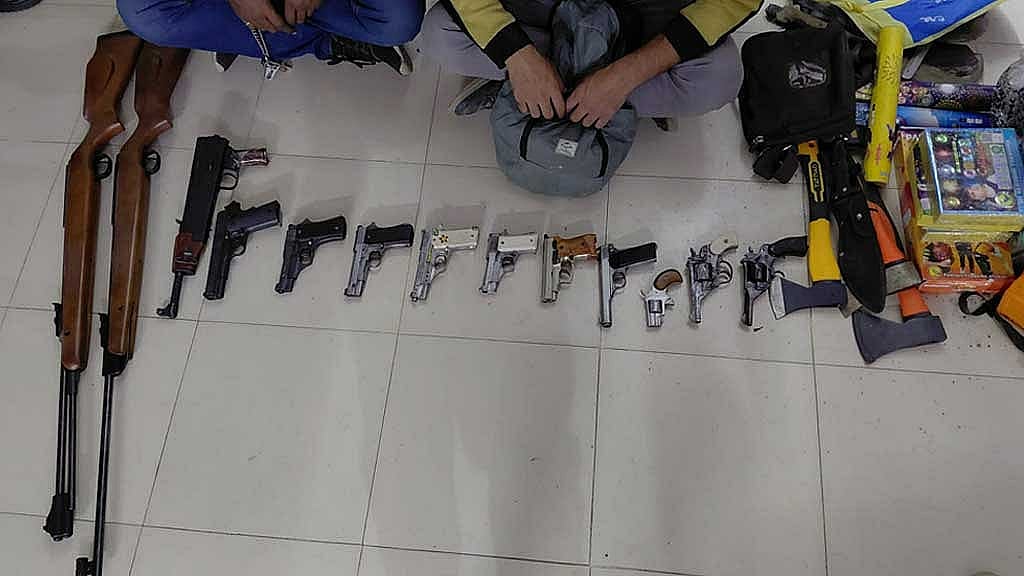
Less than a week before the vote, police seized 11 foreign pistols and ammunition from a Dhaka residence in Badda. The detainee was reportedly an associate of “top criminal” Subrata Bain.
On Saturday in Faridpur, joint forces recovered seven firearms and a large cache of locally made weapons from a pond. Analysts warn that such confrontations and arms recoveries highlight the risk of escalating violence.
Yet authorities downplay the incidents. Bhola Superintendent of Police Mohammad Shariful Haque called them “minor election scuffles” and assured bdnews24.com that the voting environment was “very good” and monitored closely.
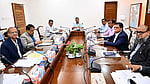
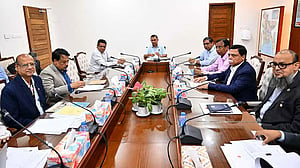
Chief Advisor Muhammad Yunus also expressed optimism after a high-level meeting Saturday: “Election campaigning is taking place in a very enthusiastic, peaceful and friendly atmosphere.
“Candidates are not using abusive language against one another, nor is there any unruly behaviour, which is a very positive change for our political history and culture.”
Home Advisor Jahangir Alam Chowdhury struck a more cautious note, identifying risks at nearly half of the polling centres. Last month, he said 25,332 of 42,761 centres were vulnerable, with 8,784 considered highly so.
ELECTION VIOLENCE CLAIMS LIVES
The Chief Advisor’s Office (CAO) reported 274 violent incidents since the election schedule announcement, including five killings.
From Dec 12 to Feb 1, the tally included 16 cases of intimidation, 15 direct attacks on candidates, five killings, three illegal firearm incidents, 29 campaign obstructions, 20 attacks on offices or institutions, 17 blockades, nine threats, one attack on minorities, and 70 other violent episodes.
Transparency International Bangladesh (TIB) reported 15 political activist deaths nationwide in the 36 days since the schedule was announced.
Executive Director Iftekharuzzaman said law and order had been the “weakest area” of the interim government, noting widespread misuse of money, muscle, and religion, raising doubts over the fairness of elections.
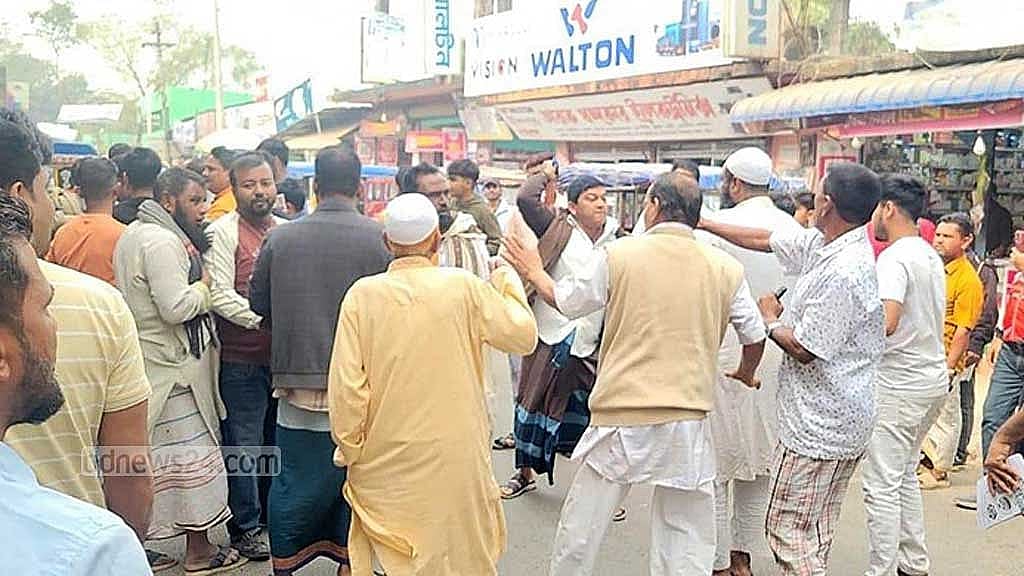
The Manabadhikar Shongskriti Foundation (MSF) reported 64 election violence and 24 political violence incidents in January, with 10 deaths.
It described this as one of the month’s “most severe” human rights crises, warning that the electoral process was heading toward deadly violence.
According to the MSF, 33 of the 64 election-related clashes involved BNP and Jamaat activists.
Home Advisor Jahangir, however, maintained that violence was occurring but “not increasing”: “Conflicts are happening among themselves. Law enforcement is already on the ground; everything is under control.”
NOTABLE KILLINGS DURING CAMPAIGNING
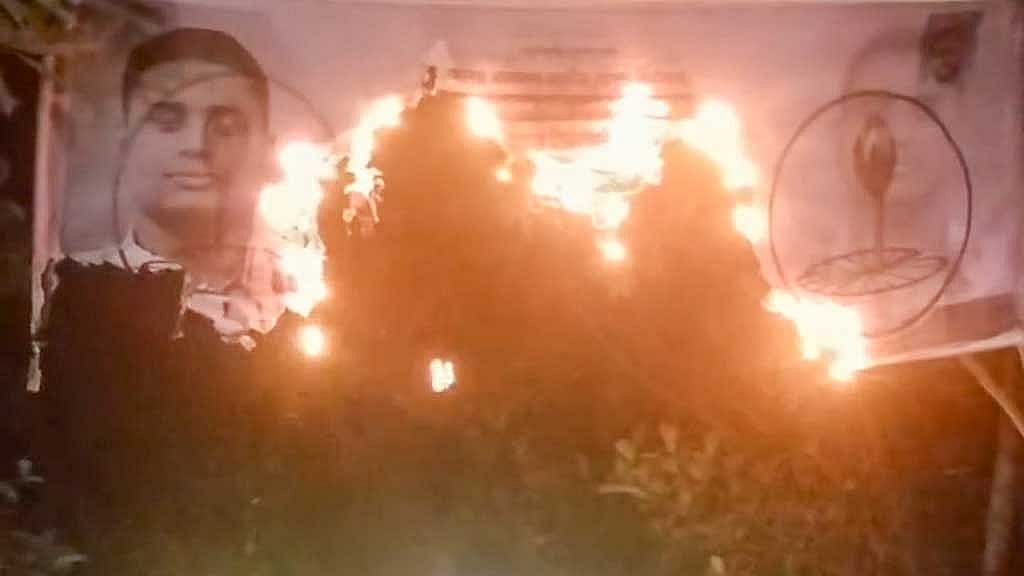
• Dec 12: Sharif Osman bin Hadi, former Inqilab Moncho convenor, was shot in Dhaka’s Bijoynagar and later died in Singapore.
• Jan 28: Over 100 injured in clashes between the BNP and Jamaat activists at a manifesto reading in Sherpur’s Jhenaigati Upazila; Jamaat’s Rezaul Karim later died.
• Dec 24: Farid Sarkar, JaSaS leader in Gazipur’s Sreepur, was killed.
• Jan 16: Nazrul Islam, supporter of independent candidate Salman Omar Rubel, died in Mymensingh’s Dhobaura.
• Additional killings include Kamal Uddin (Kishoreganj), and Azahar (Narayanganj).
Clashes have continued in Cumilla, Munshiganj, and other areas.
POLLING CENTRE SECURITY FLAGGED NATIONWIDE
Authorities identified 25,332 of 42,761 polling centres as vulnerable. Of these, 8,784 were highly important, 16,548 important, and the remainder general.
In Chattogram, police marked centres red, yellow, and green for risk assessment: 1,430 red, 3,021 yellow, 2,196 green.
In Dhaka Metropolitan Police, 75 percent of 2,131 centres were marked important. A senior DMP officer noted 37 centres under “special watch”.
POLICE, ARMY, BGB, and RAB DEPLOYMENTS
• Each polling centre will have an officer in charge; mobile teams and striking forces will be on standby.
• Army personnel will, for the first time, be stationed inside polling centres. Previously, they were deployed outside as striking forces. About 100,000 soldiers are mobilised nationwide, with 544 temporary camps in 411 Upazilas across 62 districts.
• The BGB will deploy over 37,000 members across all 300 constituencies. Hill districts will receive heightened coverage with 108 platoons in Bandarban, Rangamati, and Khagrachhari. Two to four platoons will be deployed in each Upazila.
• RAB will serve as a rapid-response striking force, with helicopters, drones, and K 9 units ready. Teams are assigned to each polling centre and can be deployed immediately if needed.
Bhola SP Shariful Haque explained: “There will be 17 personnel at each centre, combining police and Ansar. In the char areas, Coast Guard static teams will be present.
“Each candidate has been given a gunman. This time there will be body-worn cameras and CCTV. People are eager to vote, and everything will be recorded.”
A Rangamati officer added that all election personnel had received training on legal responsibilities and voter safety.
“Police work is to ensure safety. In past elections, officers faced criticism for going beyond duties. This time, preparations are 100 percent complete.”
ILLEGAL ARMS CONCERN
Since the 2024 mass uprising, 5,763 weapons and 652,008 rounds were looted; 1,331 firearms and 257,144 rounds remain unrecovered.
Home Advisor Jahangir said at the Police Academy parade on Jan 18 that none of the looted weapons would be used in the election.
Law enforcement has also reported illegal arms entering through border areas.
Superintendents in 35 border districts have been instructed to step up surveillance and make arrests.
Operation Devil Hunt Phase 2, launched on Dec 13, has led to 24,620 arrests and the recovery of 644 firearms nationwide as of Feb 2.
Bangladesh enters the election with a tense mix of voter anticipation, local clashes, lingering election violence, and unprecedented security measures.
While authorities assure readiness, human rights groups and analysts warn that risks remain, particularly in vulnerable areas.
The coming days will test whether massive deployments, coordinated monitoring, and heightened vigilance can ensure a peaceful, fair, and uninterrupted vote.