Published : 02 Oct 2026, 01:39 AM
Updated : 02 Oct 2026, 01:45 AM


The factory still stands, but almost everything that made it a workplace is gone.
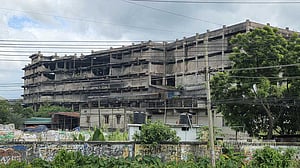
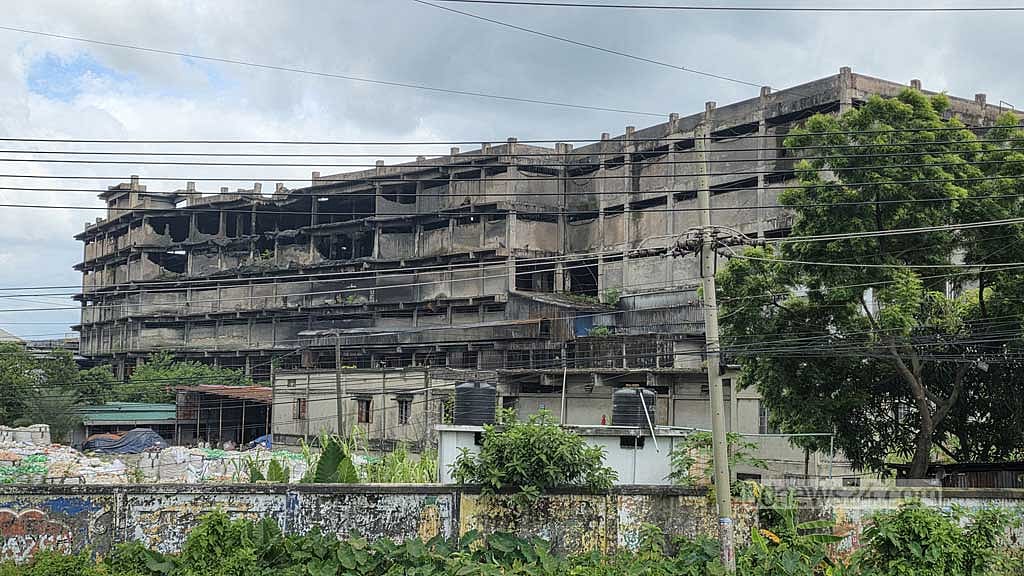
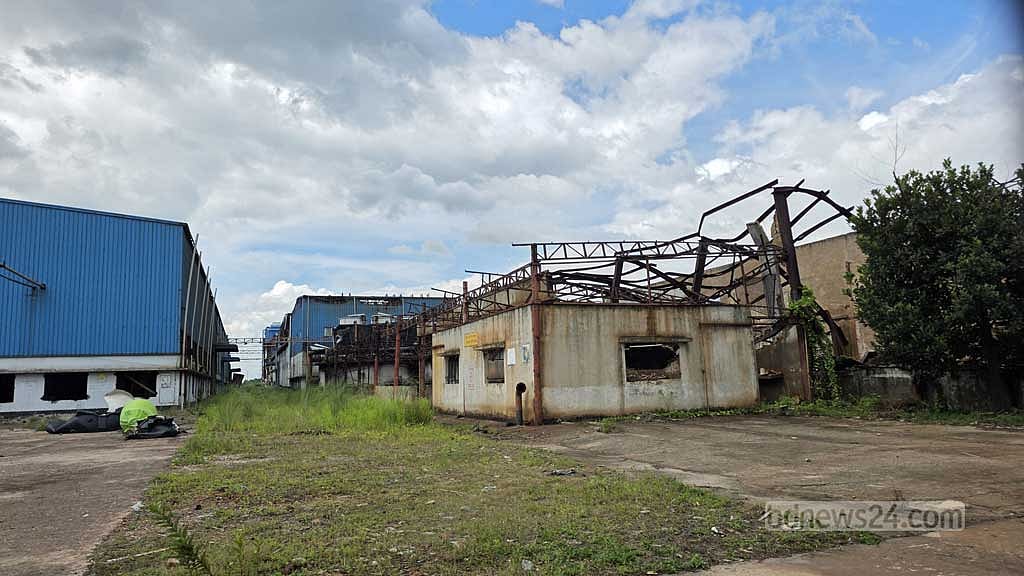
At Rupshi in Narayanganj’s Rupganj, the blackened skeleton of Gazi Tyres rises from a landscape of absence -- thousands of jobs, a local economy and a once-dominant place in Bangladesh’s tyre market lost after the factory was attacked, looted and set ablaze.
Mohammad Ipon of Sherpur spent eight years at the factory, living nearby with his family. A regular salary kept them going until the change of government on Aug 5, 2024, when two rounds of arson and looting shut the factory and ended his job.
He found work at a local consumer-goods factory, but the lower pay was not enough. Eventually, he returned to his village, where he now farms inherited land and takes odd jobs.
Standing outside the ruins, Ipon wondered whether Gazi Tyres might ever reopen.
“Perhaps if the factory had not been burned, I would not have lost my job. I would not have had to suffer like this for two years.”
Nearby, 30-year-old Rahmat Ali was peering through the locked gates. He had worked there for three years before the fire.
“I came to see whether the factory is opening. If it does, I want to work here again. The salary and benefits were good.”
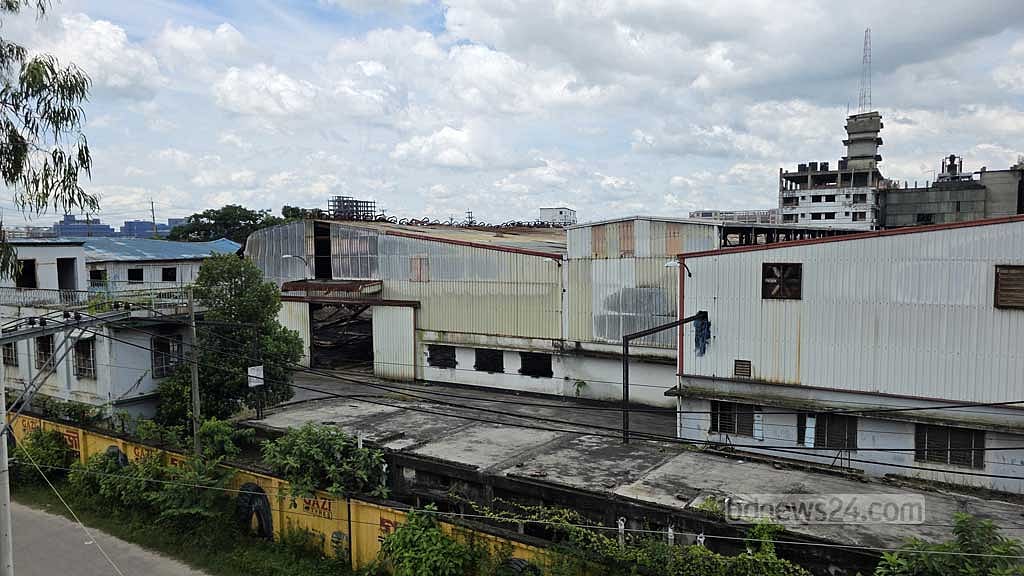
During the fire, 182 people were listed as missing under the then interim government. Two years later, there is still no trace of them, and their families have largely abandoned hope.
Two Rounds of Fire and Looting
Gazi Group began its tyre business in 1980. Its factory, originally in Lalbagh, moved to Rupshi in 2011 and became the country’s first producer of auto tyres. The group later expanded into plastic pipes, doors, pumps and tanks.
Its Rupshi and Karngop factories employed 7,230 workers, with many more earning daily wages loading and unloading goods.
Many rented homes nearby; in some families, both husband and wife worked at Gazi factories.
The group was owned by Golam Dastagir Gazi, textiles and jute minister and Narayanganj-1 MP under the Awami League government.
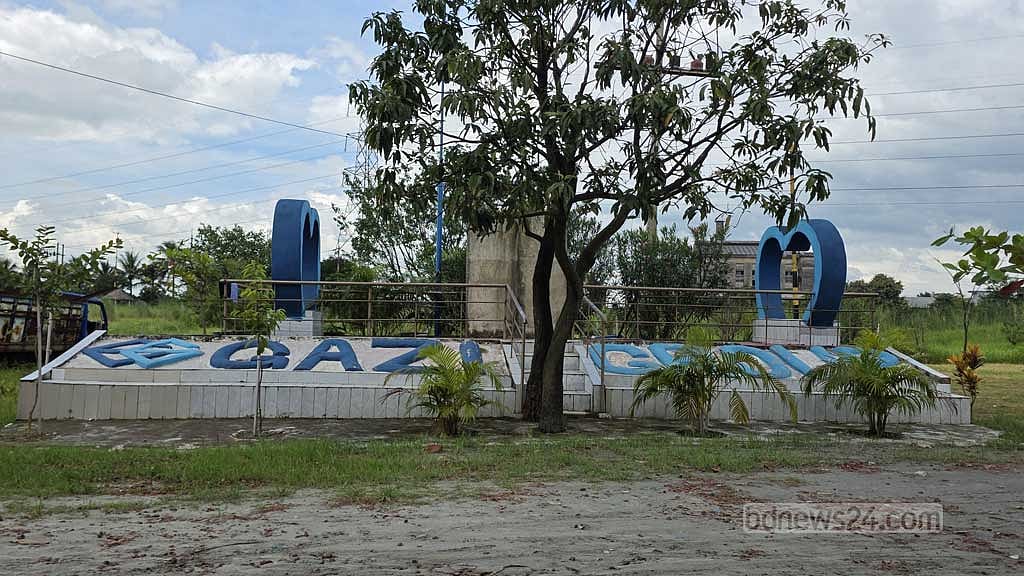
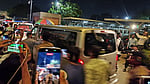
After the government fell on Aug 5, both factories came under repeated attack. Workers allege that looting, vandalism and arson continued in full view of law-enforcing agencies and amid administrative inaction.
Gazi was arrested on Aug 25. That afternoon, Gazi Tyres was attacked and set ablaze again.
The damage spread beyond the gates. Abu Bakar, who ran a shop near Rupshi market for more than a decade, eventually gave it up after sales collapsed. His neighbour Md Raju now runs it.
“If it were like the old days, you could not stand here. Workers used to crowd the place like an Eid market. Sales would have been twice what they are now. I would not even have had time to talk to you.”
Battery-rickshaw driver Sumon Islam says he once earned Tk 1,000 after six hours of driving; now even 12 hours is not enough.
Tea seller Mehrab Hossain says business on Khadun Road has fallen 80 percent.
“Five thousand people used to pass along this road. The shop was always crowded. At noon, I did not even have time to sit. Now the surrounding area is completely empty. The workers who rented homes nearby have all gone elsewhere.”
“Brother, a factory is not just about its workers and goods; people around it also depend on it. Now that is gone.”
For 57-year-old rickshaw driver Rafiqul Islam, the closure meant returning to work after his son Monir lost his factory job.
“I am still waiting. If the factory opens, my son will return to his job. But there is no certainty that it will reopen.”
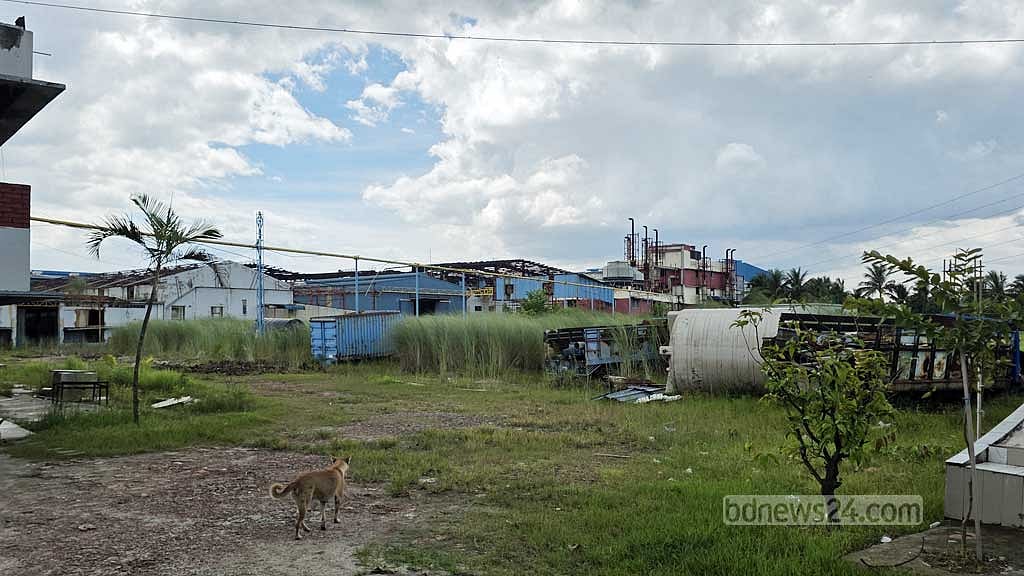
A Market Left Behind
Tyre sellers say the gap has been filled by Meghna, RFL and Akij. Gazi tyres once commanded strong demand, but with production halted, buyers have shifted to other brands.
“People wanted Gazi tyres because they had been in the market for so many years. Even after the factory closed, people who knew tyres well looked for Gazi. Now everyone knows the factory is closed, so they buy other brands. At my shop, Hossain, GS and Jamuna Group’s Double Horse tyres sell the most.”
Before the shutdown, Gazi supplied around 40 percent of Bangladesh’s tyre demand. Its Rupshi and Karngop factories had annual turnover of Tk 18.5 billion and were among the country’s leading producers of tyres, tanks and pumps.
The Road Back
A Gazi Group senior official says the company has received assurances of policy support from the government and that banks are cooperating because of its previously sound banking record.
“We have received assurances of policy support from the government. Since our banking transactions were also good in the past, the banks are cooperating as well. We are trying to bounce back.”
But for the people who once depended on the factories, a comeback is still an abstraction.
For Ipon, it means the possibility of returning to the job that once gave his family a steady life. For Rafiqul, it means his son could put down the rickshaw and go back to the factory floor. For the shopkeepers and drivers around Rupshi, it means the return of the thousands of people whose daily routines once sustained the neighbourhood.
Outside the factory, however, there is little to suggest that life is about to return to what it was.
The gates remain shut. The buildings remain charred. And the market that Gazi once commanded has moved on.
For now, the people who remember the factory at its busiest can only wait -- and wonder whether the ruins will ever become a workplace again.