Published : 25 Aug 2026, 02:13 PM
Updated : 08 Sep 2026, 09:35 AM


A crisis without a way home
No repatriation: Not a single Rohingya has returned to Myanmar in nine years.
Old narrative: Myanmar has revived its claim that Rohingya are “Bengali” residents.
Growing numbers: More than 1.2 million Rohingya are now registered in Bangladesh.
Aid crisis: Falling donor support is deepening hardship in the refugee camps.
Faint hope: Phased repatriation could begin within the next one to two years.
Nine years have passed since Myanmar’s military crackdown forced hundreds of thousands of Rohingya to flee their burning homes in Rakhine and cross into Bangladesh after being stripped of their citizenship rights.
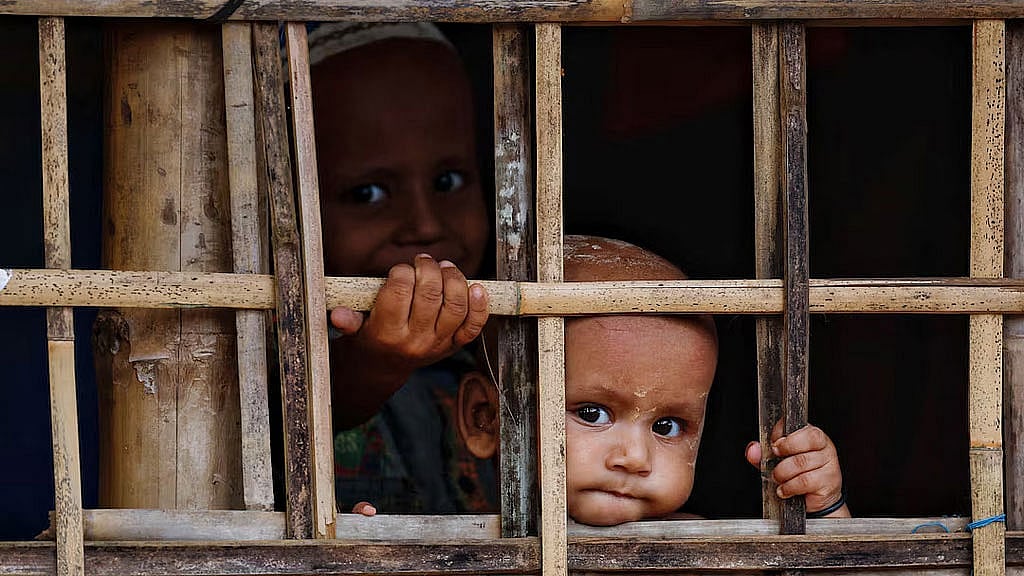
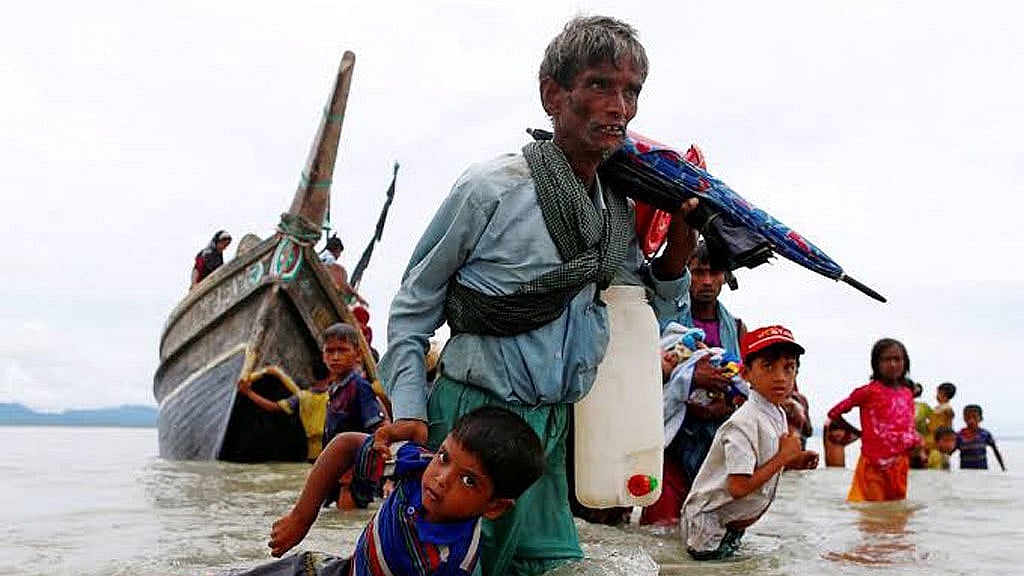
After Bangladesh opened its border on humanitarian grounds on Aug 25, 2017, around 750,000 Rohingya refugees arrived in Cox's Bazar within days. Together with those already living in Bangladesh, their number reached about 1.1 million.
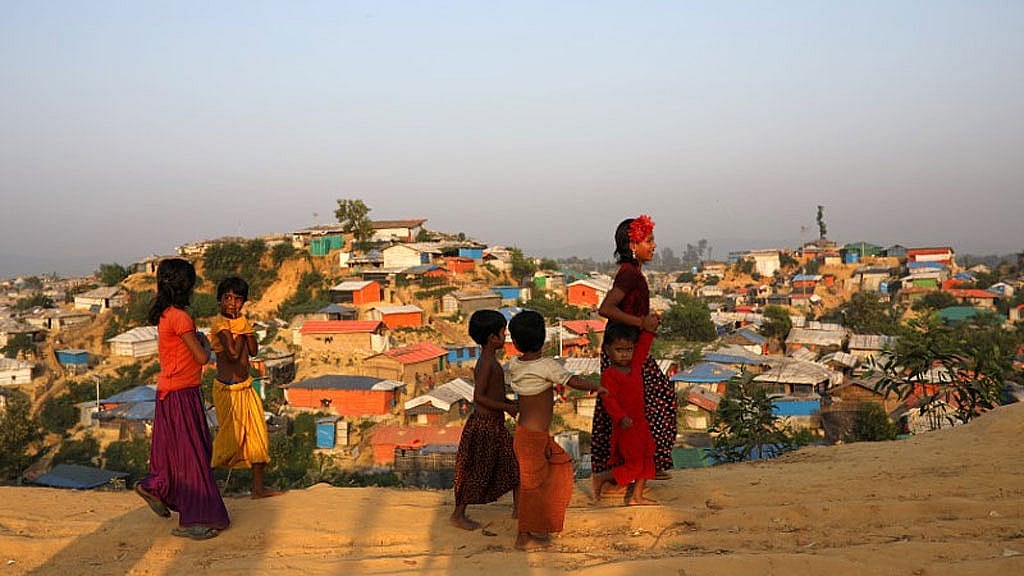
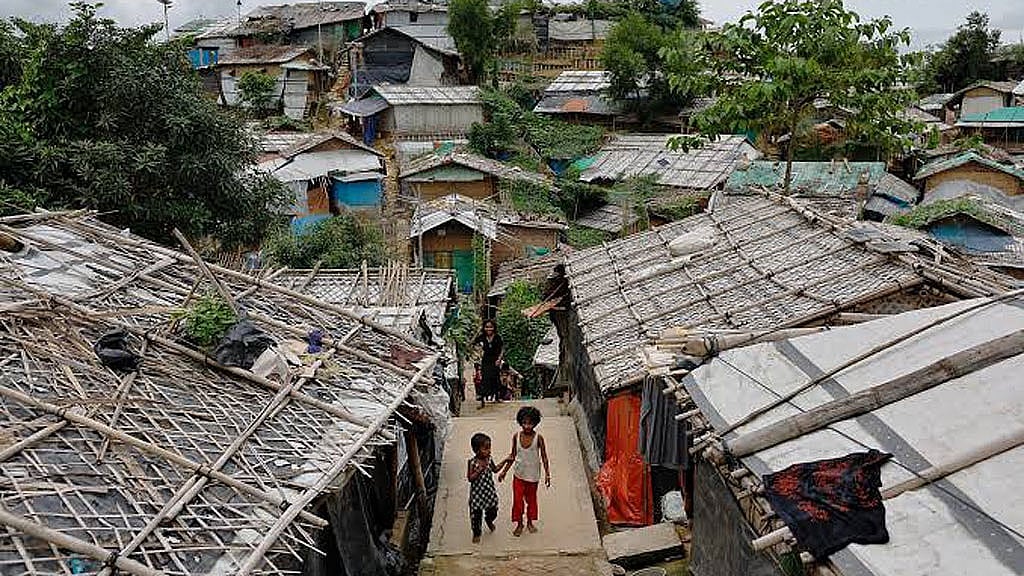
They were housed in makeshift shelters of bamboo, rope and tarpaulin across the hilly areas of Teknaf and Ukhiya, with Ukhiya becoming home to the world's largest refugee camp, where around 45,000 refugees live per square kilometre.
After ethnic conflict erupted again in Rakhine, another 150,000 Rohingya arrived in Bangladesh after 2024. With around 30,000 children born each year, the Rohingya population in Cox's Bazar has now exceeded 1.2 million, according to the United Nations.
Despite repeated promises, Myanmar has not repatriated a single Rohingya in nine years. As the crisis approaches its second decade, Myanmar's administrative capital Naypyidaw has revived its old narrative, referring to the Rohingya as “Bengali” residents of Rakhine.
While the UN refugee agency UNHCR and Bangladesh have data on more than 1.2 million Rohingya, Myanmar says 540,000 “Bengali residents” entered Bangladesh after 2017.
In a statement on Aug 15, Myanmar's foreign ministry said 828,824 names had been submitted to it by Jul 31, 2026, of whom 308,797 had been verified as former residents of Rakhine.
It promised to take back those whose identities had been verified when conditions in Rakhine became “conducive”.
Sayed Ullah, president of the United Council of Rohingya Representatives, called the promise a “drama”.
Bangladesh summoned Myanmar Ambassador U Kyaw Soe Moe the following day, rejecting Naypyidaw's figures as inaccurate. Dhaka said the UN-managed registration reflected the correct number of Rohingya and rejected their description as Bengalis.
It also called for faster verification under bilateral arrangements, including children born in the camps and those who arrived after 2017.
Meanwhile, donor assistance is declining, and the government is increasingly concerned about refugees becoming involved in crimes, including drug trafficking.
Many also risk their lives trying to travel overseas by sea through trafficking networks. UNHCR says the Bay of Bengal-Andaman Sea route to Southeast Asia is among the world's deadliest, with one in seven people killed or missing in 2025.
State Minister for Foreign Affairs Shama Obaed Islam has acknowledged the lack of an immediate solution.
Speaking ahead of the ninth anniversary, she said Bangladesh had taken in the Rohingya on humanitarian grounds but was now facing its own challenges.
She urged the international community to work towards repatriation, saying, “Ten years must not be allowed to become twenty.”
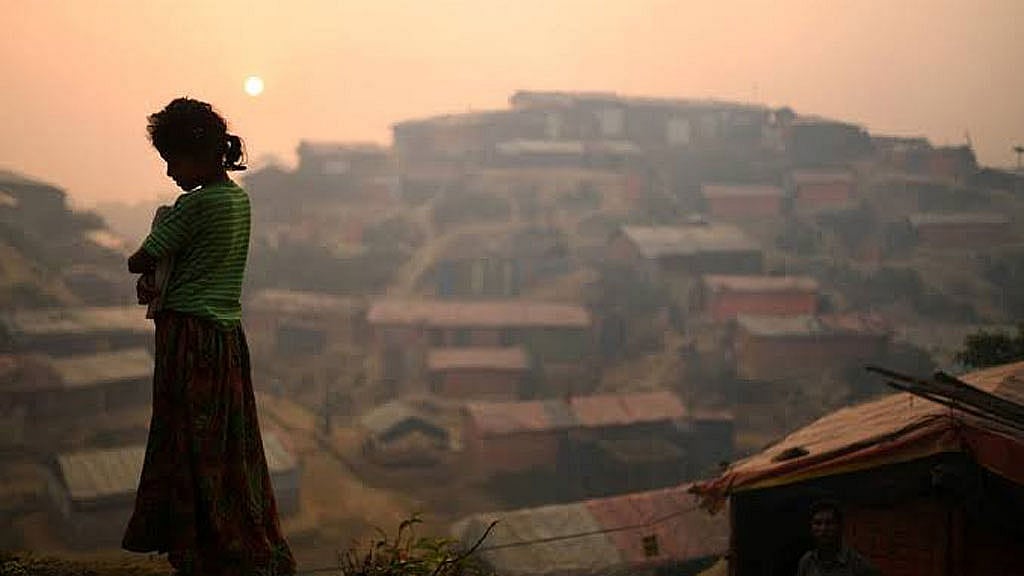
Stateless Rohingya Face Uncertain Future
The minority Muslim Rohingya were driven from their homes amid ethnic cleansing following the denial of citizenship rights.
According to UNHCR and the Bangladesh government, 1,202,034 Rohingya are now registered in Cox's Bazar and Bhasan Char, with children accounting for just over 52 percent of the population.
As of Jul 31, there were 575,557 refugees aged 18 and above, while 626,477 were aged from newborn to 17. Of the children, 450,518 were under 11, accounting for 37.5 percent of the total population.
Even if some of these children eventually return to Myanmar, they will carry with them the difficult experiences of life in the camps, Refugee Relief and Repatriation Commissioner (RRRC) Mohammed Mizanur Rahman has said.
Highlighting how many children have no memory of Myanmar, he recalled a drawing competition themed around their homes in Rakhine.
The children drew houses with just one door, prompting officials to ask older refugees whether their homes in Rakhine had only one door.
“They said, ‘no, our homes in Rakhine had multiple doors’. But here, children are growing up in 15-square-foot rooms with only one door. This is another kind of problem,” he said.
Mizanur said efforts were being made in Cox's Bazar to preserve the history of the Rohingya and teach their history and culture to future generations.
Although children in the camps are taught under a Myanmar curriculum, experts say the provision is not sufficient.
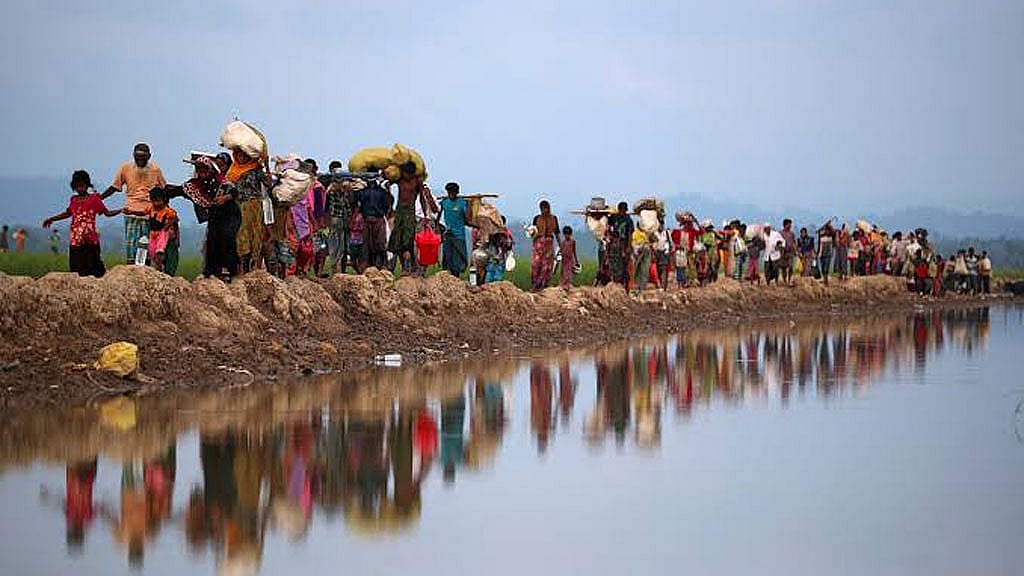
Rohingya refugees also say their opportunities to earn and educate their children are limited, while they too are worried about crime in the camps.
Mallika, known by her first name, who fled Myanmar in 2017 and lives with her husband and six children in Camp 19 in Ukhiya, said she was struggling to maintain a normal life in the camp.
“I have no income at the moment, and neither does my husband. I have to borrow money from others to buy essential items,” she told bdnews24.com.
She said she was afraid to let her husband leave their block because of the risk of abduction. With security concerns making it difficult to support the family, she said food assistance had also declined and they now receive only $10.
The money is spent on rice, oil, a little lentil, onions and garlic, she said. “Sometimes we get eggs, but that is not enough for nutrition. When we received $12, we could buy better things for the children. We could buy fish and meat.”
“I have six children. We cannot send all of them to school because we do not have enough money. Somehow, we can send two to school. The future of the others is uncertain,” she said.
Mizanur said the pressure from the camps was also affecting local communities in Ukhiya-Teknaf, where the Rohingya population is twice that of residents.
This creates tensions between locals and refugees, while people in the camps seek to go outside in search of work.
“Keeping such a huge population idle inside the camps creates the risk of all kinds of law-and-order problems. In some places, they are also becoming involved in crime,” he said.
Foreign Affairs State Minister Shama Obaed also highlighted the uncertainty facing the Rohingya, saying 10 years was a long time for a government and an institution, but represented an entire childhood for a child growing up in a camp.
“For a young person, it means being without education. For a family, it means a decade without a home. And for a community, it is a generation born into uncertainty. We cannot allow 10 years to become 20 years,” she said.
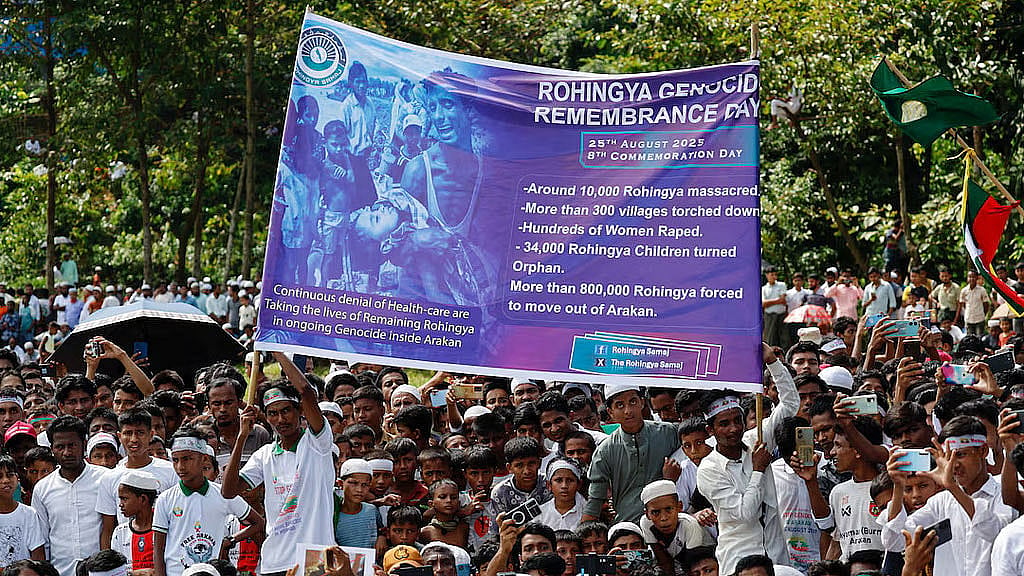
Repatriation Hopes Stalled
Under intense international pressure, Aung San Suu Kyi's government agreed in late 2017 to take back the Rohingya, signing a bilateral agreement with Bangladesh in September of that year.
After discussions over verifying the identities of the Rohingya and other issues, two repatriation attempts were made in 2019. Both failed as the Rohingya refused to return, saying they did not trust the assurances given by the Myanmar government.
The coronavirus pandemic then shifted international attention elsewhere.
In February 2021, the military junta led by General Min Aung Hlaing seized power, removing Suu Kyi’s government.
Since then, Myanmar has struggled with political instability and an escalating civil war, leaving the Rohingya repatriation issue largely off the international agenda.
Just days before the military takeover, a tripartite meeting involving Bangladesh, Myanmar and China was held on repatriation under Beijing’s initiative.
Bangladesh had hoped at the time that repatriation could begin in the second half of 2021, but that plan never materialised.
The Bangladesh government, which has repeatedly prioritised Rohingya repatriation, has also accused the international community of failing to put sufficient pressure on Myanmar to facilitate the return.
Now, with Myanmar embroiled in civil war, discussions on repatriation have effectively stalled. Instead, renewed fighting in Rakhine has driven more than 150,000 Rohingya into Bangladesh since 2024.
Meanwhile, General Min Aung Hlaing, who controls the military-backed administration, became president after a junta-controlled election and is seeking recognition from ASEAN and other international groups.
However, there are some new developments. During Prime Minister Tarique Rahman’s visit to Beijing, China assured Bangladesh of its cooperation in repatriating the Rohingya.
Beijing has also proposed implementing an economic corridor through Myanmar to strengthen economic connectivity with Bangladesh.
Prof Shahab Enam Khan of Jahangirnagar University’s Department of International Relations says several changes have been observed in the Myanmar government’s approach since the prime minister’s China visit.
He believes that if the process continues at the current pace, phased repatriation could begin within one to two years.
“There is no reason to be disappointed when we look at everything together. But we have to remember two things: policy or diplomatic initiatives alone are not enough,” he said.
Bangladesh must also work to create the kind of enabling environment required for the Rohingya return, strengthen political engagement and improve infrastructure and trade links, he said.
“I do not think it would be too difficult to achieve repatriation if these areas are improved,” he said.
At the same time, he cautioned against expecting all Rohingya to return immediately.
“To think that 100 percent repatriation will happen right now would be overly optimistic. But I believe the process can be started in phases within a year or two,” he said.
According to Shahab Enam Khan, changes in Myanmar and Rakhine, shifting Chinese and US approaches towards Myanmar and a decline in humanitarian assistance have all contributed to the delay in repatriation.
“Looking at everything together, the geopolitical and geostrategic changes have worked against Bangladesh more than the failures of previous governments,” he said.
Pointing to what he described as international support for the current Bangladesh government, he said the United States, China and other countries now appear more committed to facilitating Rohingya repatriation.
Bangladesh’s key task, he said, is to turn that commitment into diplomatic, political and strategic progress.
He described the Rohingya affairs committee formed by the Prime Minister’s Office as a significant initiative, but said the government should ensure that the strategy it develops also wins genuine international support.
Overall, he believes the conditions for implementing the repatriation process are now more favourable than before.
He also called for a more inclusive approach, arguing that Bangladesh should not rely solely on conventional diplomatic or political channels.
Trade, investment and a “whole-of-government” and “whole-of-society” approach should also be used to engage Myanmar, he said.
At the same time, Bangladesh should not focus solely on stabilising Rakhine, but also work towards the broader stabilisation of Myanmar.
Such stability, he said, could allow Myanmar to play a greater role in Bangladesh’s economic development while helping make Rohingya repatriation a long-term and sustainable process.
[Writing in English by Arshi Fatiha Quazi]