Home
+
Published : 01 Dec 2025, 12:47 AM
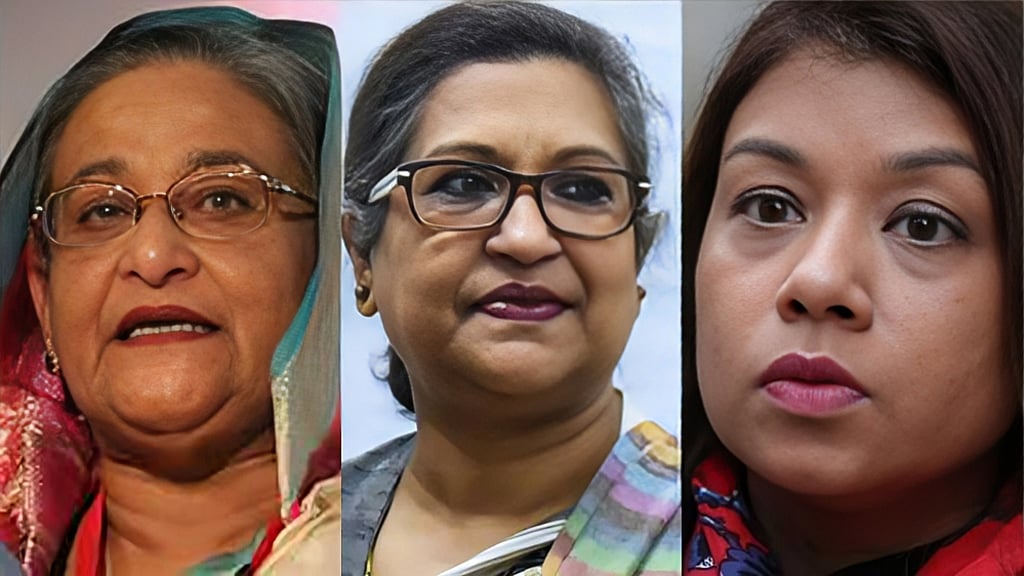
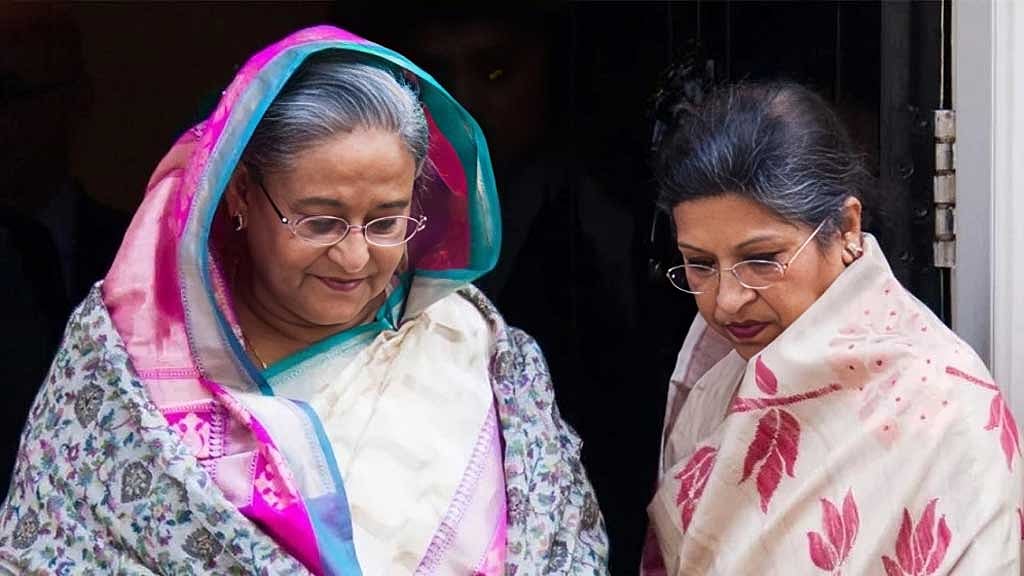
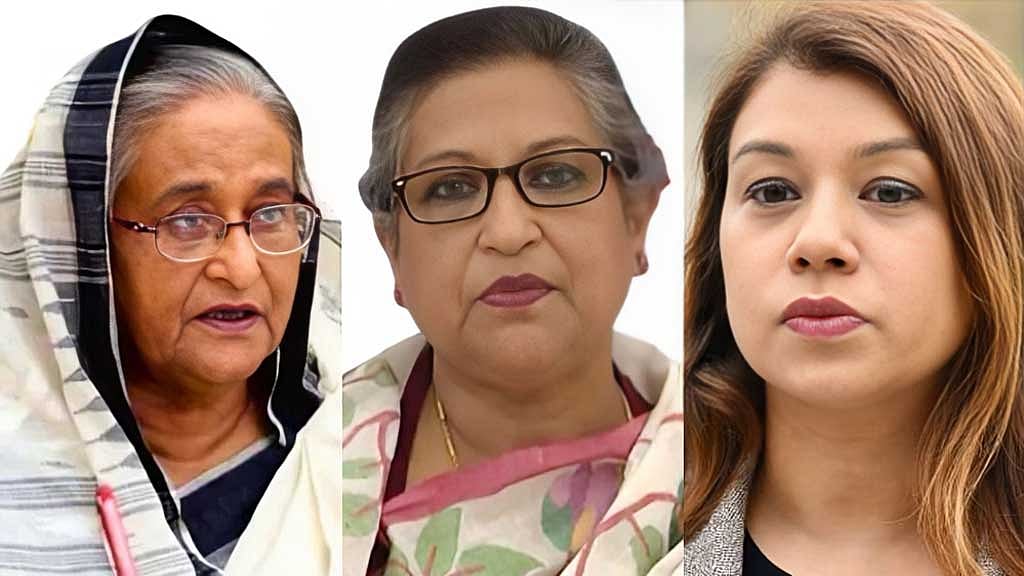
A Dhaka court is set to deliver its verdict on Monday in a corruption case implicating Sheikh Rehana, the sister of ousted prime minister Sheikh Hasina, and Tulip Siddiq, the Labour MP who was forced to resign as a junior minister in the UK after allegations that she had been linked to family corruption surfaced earlier this year.
The case concerns the alleged illegal allocation of a 10-katha (approximately 31.25 decimal or 13,610 square feet) plot in the government’s Purbachal New Town Project in Dhaka.
Hasina, Rehana and her daughter Tulip, and 14 others are listed as suspects.
Judge Rabiul Alam of Dhaka’s Fourth Special Judges’ Court will pronounce the verdict.
The judgement comes just days after Hasina herself was sentenced to 21 years in prison in three separate Purbachal plot corruption cases.
Earlier, on Nov 17, Hasina was sentenced to death by the International Crimes Tribunal for crimes against humanity in her attempt to suppress the July Uprising of 2024.
Tulip is also a suspect in two other plot corruption cases involving her brother Radwan Mujib Siddiq Bobby and sister Azmina Siddiq Ruponti.

Prosecutors allege Tulip used her “special influence” to pressure her aunt Hasina to allocate plots for her mother, brother and sister in violation of rules and eligibility criteria.
The other defendants are former state minister for housing and public works Sharif Ahmed, former private secretary to the prime minister Mohammad Salah Uddin, former senior assistant secretary of the Ministry of Housing and Public Works Purabi Golder, former RAJUK chairman Anisur Rahman Miah, former member (development control) Shafiul Haque, former member (planning) Mohammad Nasir Uddin, Shamsuddin Ahmed Chowdhury, Nayeb Ali Sharif, Saiful Islam Sarkar, Kazi Wasi Uddin, Shahid Ullah Khandaker, Kabir Al Asad, Tanmoy Das, Md Nurul Islam, Sheikh Shahinul Islam; RAJUK Deputy Director Hafizur Rahman, Habibur Rahman, former deputy director Kamrul Islam; and assistant director Mazharul Islam.
If convicted under Section 409 of the Bangladesh Penal Code, the maximum penalty is life imprisonment.
ACC Prosecutor Tarikul Islam said, “We have tried to prove every charge through testimony. Section 409 carries life imprisonment. We expect the maximum sentence.”
Among the 17 suspects, only Khurshed Alam, former RAJUK member for estate and land, is currently in prison. Judge Alam recently handed him lighter three-year sentences in three related cases for surrendering and “showing respect to the court”.
His lawyer Shahinur Rahman said, “The nature of the cases is identical, only the allottees differ. He deserves acquittal. We hope he will be cleared.”
HOW THE CASES BEGAN
In January, the Anti-Corruption Commission (ACC) initiated six criminal cases accusing the Hasina–Rehana family of illegally securing 60 kathas (roughly 99 decimals or 43,120 square feet) of prime real estate in Purbachal using political influence and administrative manipulation.
On Thursday, Hasina was convicted in three of those cases. Her son Sajeeb Wazed Joy and daughter Saima Wazed Putul were each sentenced to five years in separate related cases.
The verdict on Rehana’s plot allocation is now next in line. Cases against her son Bobby and daughter Ruponti are still at the testimony stage.
FROM INVESTIGATION TO INDICTMENT
The corruption inquiries began after the July Uprising, which toppled the Awami League government. Hasina fled to India the same day and other family members also left Bangladesh.
On Dec 26, the ACC launched an inquiry after allegations surfaced in the media that six members of Hasina’s family had obtained prime plots in Purbachal without due process.
Six plots -- numbers 9, 11, 13, 15, 17 and 19 -- were allegedly allocated to Hasina, Joy, Putul, Rehana, Bobby and Ruponti.
In October, the High Court appointed a three-member committee to investigate the Purbachal allocations and broader irregularities in RAJUK’s land allotments during 2009–2024.
On Jan 13, ACC Deputy Director Salah Uddin filed the Rehana plot case implicating 15 people. Following investigation, the number of suspects was expanded to 17. Arrest warrants were issued on Apr 13. None of the defendants appeared before the court despite formal notices.
Charges were framed on Jul 13 this year, and testimony began on Aug 13, continuing through a series of hearings featuring senior RAJUK, ministry, banking, tax and registration officials.
The final witness -- the ACC’s own investigator Afnan Jannat Keya -- was cross-examined on Nov 18. Defence arguments concluded on Nov 25, when the court set Monday as verdict day.
WHAT EXACTLY ARE THE CHARGES?
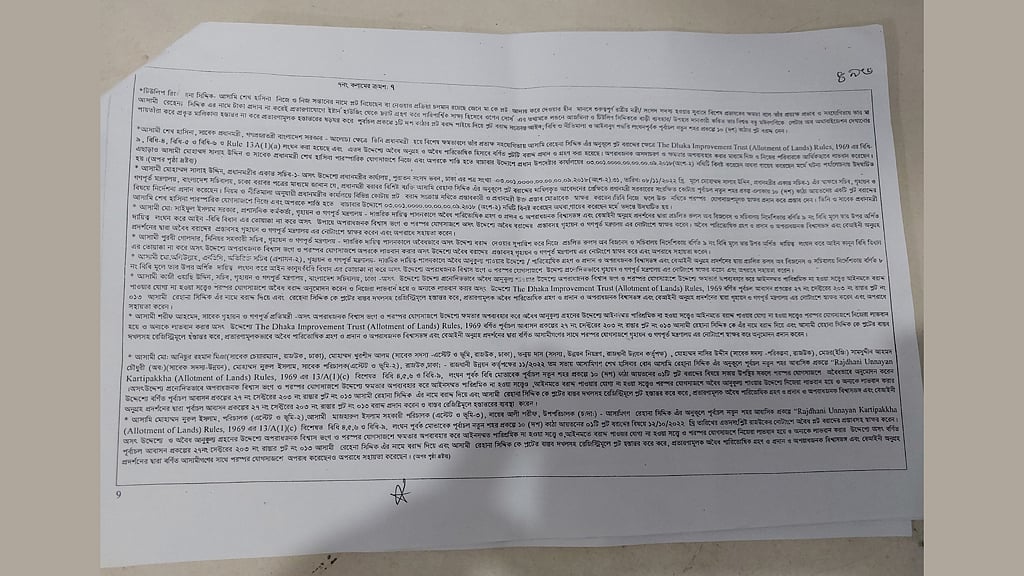
The ACC chargesheet outlines the following accusations:
Sheikh Rehana:
Concealed existing residential property to illegally obtain a 10-katha Purbachal plot.
Made no formal application; instead requested allocation from Hasina directly.
Allocation allegedly violated multiple RAJUK rules.
Tulip Siddiq:
Allegedly pressured Hasina to grant the plot.
Accused of “direct assistance” and “exerting influence” in breach of rules.
Sheikh Hasina:
Accused of abusing power to award the plot to her sister.
Allegedly conspired with her private secretary to destroy or conceal official documents to avoid scrutiny.
Mohammad Salah Uddin (private secretary):
Allegedly issued directives to allocate the plot from the reserved quota.
Accused of destroying or removing government documents relating to the allocation.
Housing ministry officials:
- Including Saiful Islam, Purabi Goldar, Aliullah and Secretary Kazi Wasi Uddin:
Allegedly signed off on illegal allocation proposals, bypassing rules and eligibility.
RAJUK officials:
- Including former chairman Anisul Rahman Miah and senior estate/land officers:
Accused of approving allocations in a RAJUK meeting despite “clear illegality”.
TULIP"S POLITICAL FALLOUT IN LONDON
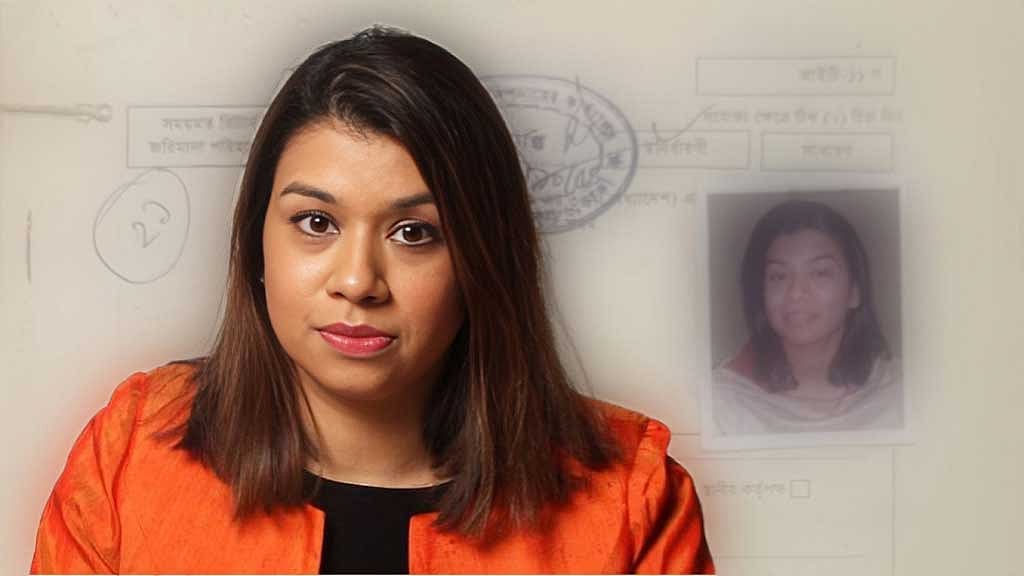
Tulip, served as economic secretary to the Treasury and City and anti-corruption minister under UK Prime Minister Sir Keir Starmer after Labour Party's landslide win. She resigned in January after British media reports linked her to corruption allegations involving a £700,000 London flat “gifted” by a developer close to the former Awami League government.
She was also named earlier in allegations relating to the Rooppur Nuclear Power Plant procurement scandal, stories that fuelled widespread media uproar in the UK.
Her lawyers have accused the ACC of violating due process, saying investigators failed to provide “authentic documents” and did not respond to attempts at communication, thereby “breaching her fundamental right to a fair hearing”.
ACC Chairman Abdul Momen rejected that claim in an interview with bdnews24.com: “If she is innocent, why did she resign? Why did she ask her lawyers to contact us? We emailed her lawyer asking them to join the legal proceedings,” he said.
Tulip, born in Mitcham, south London, spent her childhood in Bangladesh, India, and Singapore, and holds a Master’s degree in Politics, Policy and Government from King’s College London. Born to Bangabandhu’s youngest daughter and Shafik Siddiq, she was first elected to the UK parliament for Hampstead and Highgate in 2015, and was re-elected in 2017 and 2019.
A FAMILY UNDER LEGAL SIEGE
The Purbachal cases form one of the most sweeping corruption prosecutions ever brought against a Bangladeshi political family.
Since August 2024, seven members of the Hasina-Rehana family have been indicted across six cases, while Hasina herself now faces three combined 21-year sentences, a death sentence from the International Crimes Tribunal, and multiple pending corruption and abuse-of-power inquiries.
With the verdict in Rehana’s case now imminent, all eyes, particularly international ones, are on Dhaka’s Special Judges' Court.
The outcome could have consequences far beyond Bangladesh’s borders, touching Westminster and Dhaka, and ongoing debates over impunity, political patronage and the reach of anti-graft institutions.