Published : 17 Nov 2025, 06:32 AM
Updated : 21 Aug 2026, 02:44 PM


The International Crimes Tribunal is set to deliver its verdict in the case accusing ousted prime minister Sheikh Hasina and two others of crimes against humanity committed during the July Uprising.
The prosecution has levelled five formal charges against them.
The other two defendants are Asaduzzaman Khan, who held the position of home minister during the upheaval, and Chowdhury Abdullah Al-Mamun, who was the inspector general of police (IGP) at that time.
The tribunal completed the trial of Hasina and Asaduzzaman in absentia.
Hasina fled to India after being removed from office during the movement. Media reports say Asaduzzaman is also in India.
Mamun, however, is in custody and has turned state witness, admitting his involvement.
During the closing arguments, Chief Prosecutor Tajul Islam said Hasina was the “nucleus” of the crimes against humanity that took place during the Uprising.
Seeking the death penalty for Hasina and Asaduzzaman, he said: “To prevent any future recurrence of crimes against humanity in Bangladesh, this nucleus or lifeline must receive the highest punishment.
“This nucleus has to be dismantled so no one can form such a nucleus again.”
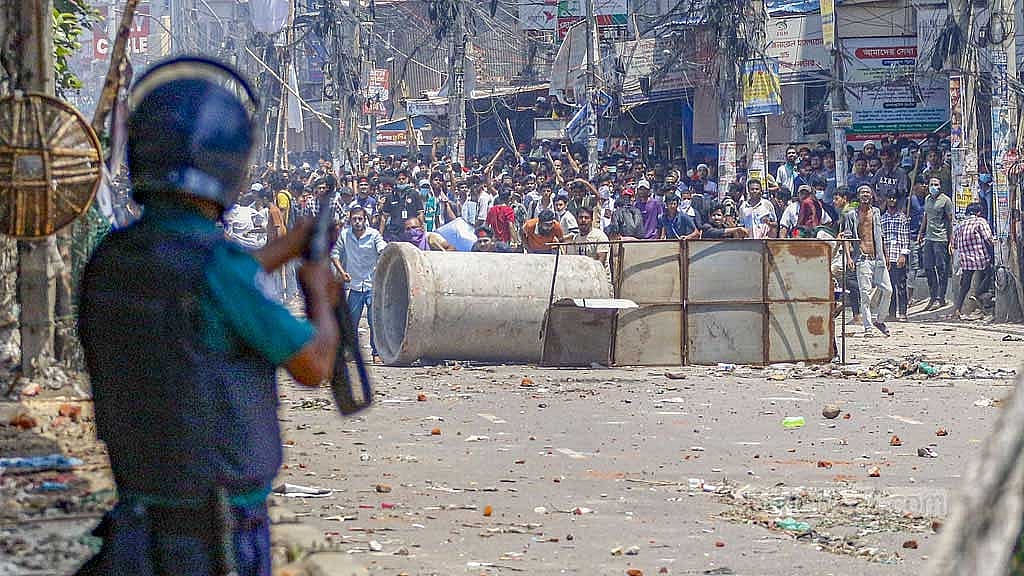
CHARGE 1
The first charge against Hasina, Asaduzzaman, and Mamun involves murder, attempted murder, torture, and other inhumane acts.
The prosecution alleges that they provoked, assisted, facilitated, conspired, and failed to prevent these crimes, which were committed by law enforcers and armed members of the Awami League and its affiliate groups against civilians.
The core allegation revolves around a press briefing by Hasina on Jul 14, after which Asaduzzaman, Mamun, and other senior government officials were implicated in inciting, assisting, and conspiring in a “brutal and premeditated assault” on unarmed student protesters.
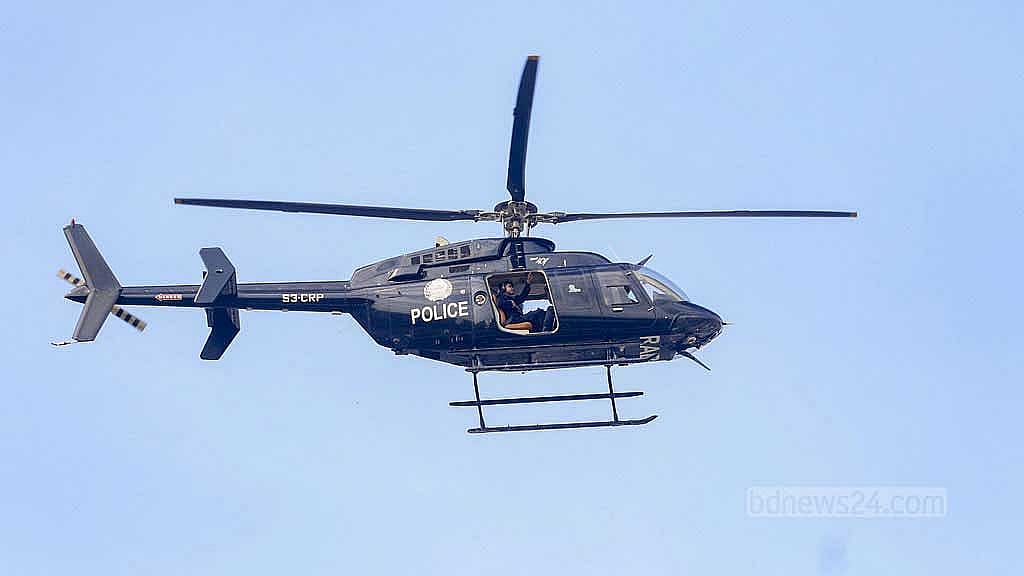
CHARGE 2
The second charge accuses Hasina of ordering the use of helicopters, drones, and lethal weapons to “kill student protesters”.
Asaduzzaman and Mamun are alleged to have carried out these orders by directing their subordinate law-enforcing agencies to assist in executing the orders.
They are accused of deliberately directing, assisting, conspiring, and aiding in the commission of crimes against humanity during the suppression of the protests.
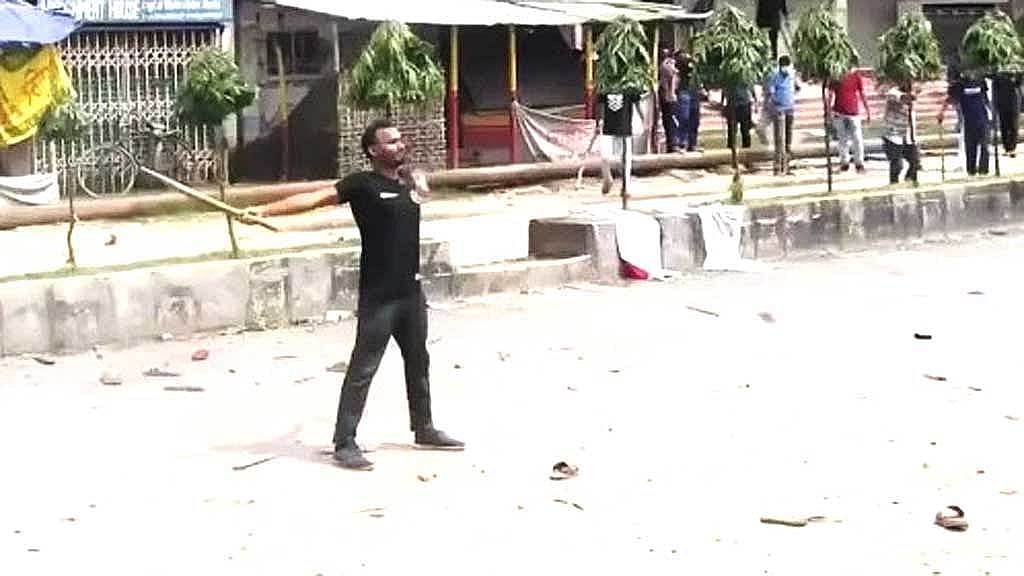
CHARGE 3
The third charge relates to the killing of student protester Abu Sayed near Begum Rokeya University in Rangpur.
Hasina is accused of delivering “provocative” speeches and “ordering the use of deadly weapons” against the student protesters.
Following her orders, Asaduzzaman, Mamun, and other senior officials are said to have been “involved in the violent crackdown, assisting and conspiring” with armed personnel to carry out the attack.
According to the prosecution, law enforcers shot Sayed multiple times in the chest at close range on Jul 16, 2024 as part of a “widespread, planned” attack on unarmed student protesters.
The charge says the suspects “directed, provoked, assisted, facilitated, conspired, and carried out crimes against humanity and other inhumane acts”.
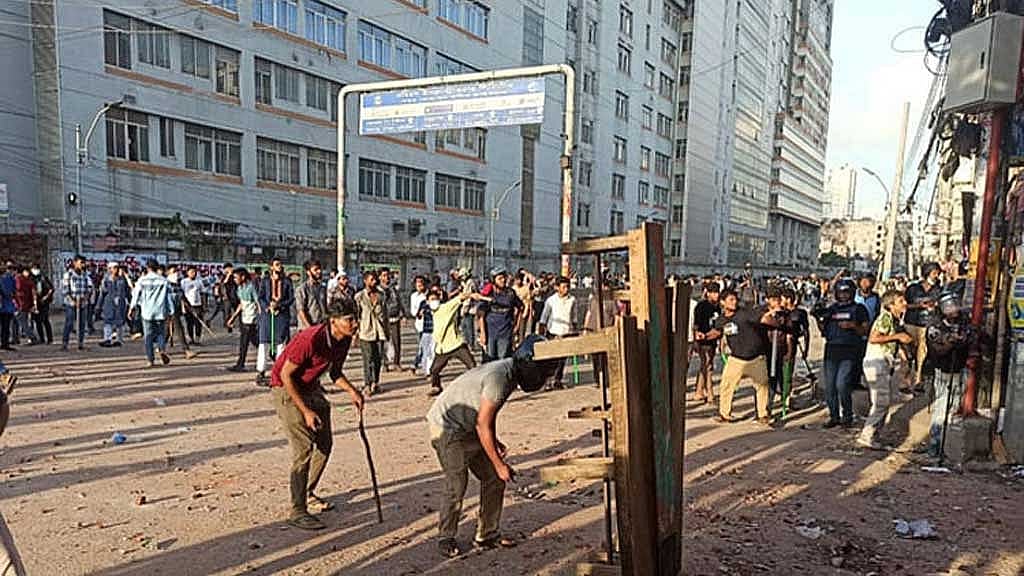
CHARGE 4
The fourth charge concerns the killing of six unarmed protesters who were shot dead at Chankharpul in Dhaka on Aug 5, 2024.
Hasina is again accused of delivering “provocative” speeches and “ordering the use of lethal weapons” against student protesters.
After this, Asaduzzaman, Mamun, and senior officials allegedly provoked, assisted, and conspired with their forces and armed Awami League activists.
The six killings are alleged to have taken place “with the knowledge, instruction, incitement, assistance, facilitation and conspiracy” of the suspects, amounting to crimes against humanity.
CHARGE 5
The fifth charge involves the killings of six student protesters in Ashulia, also on Aug 5, 2024.
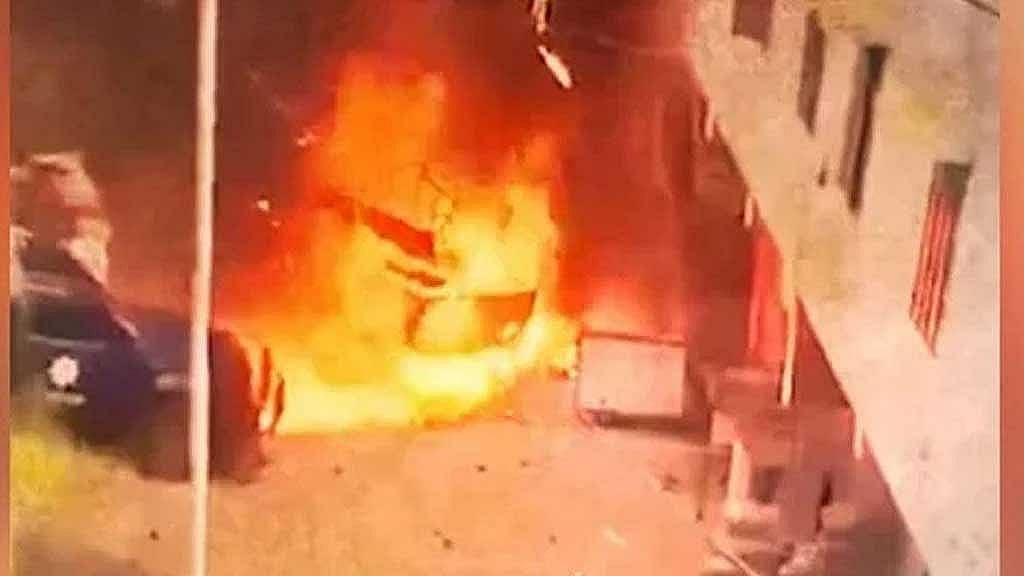
The prosecution claims that five of the protesters were shot and killed, after which their bodies were set on fire, while the sixth protester was burnt alive.
Hasina is accused of giving “provocative” speeches and “ordering the use of deadly weapons” against the student protesters.
After this instruction, the suspects allegedly joined other senior officials in “instigating, assisting, and colluding” with their subordinate law-enforcing agencies and armed Awami League activists.
The prosecution says the acts were carried out “consciously through the instructions, provocation, assistance, facilitation, conspiracy, and involvement” of the suspects.
The charge categorises the killings as crimes against humanity that also involved “torture, murder, and other inhumane acts”.