Published : 16 Oct 2025, 12:50 AM
Updated : 21 Aug 2026, 02:36 PM


Speakers have called for the adoption of an effective and practical harm reduction policy for tobacco in Bangladesh to reduce health risks.
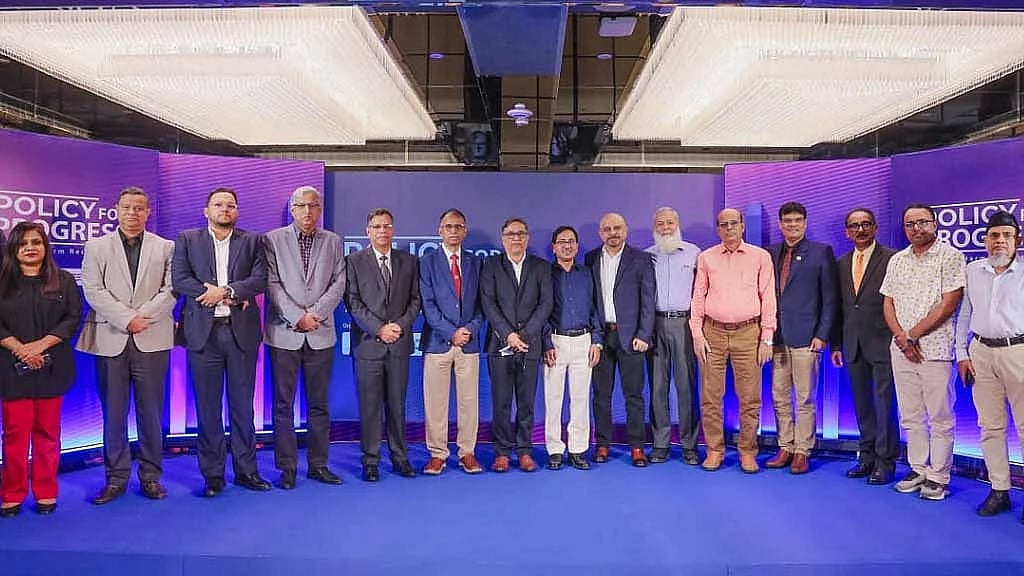
According to a media statement released on Wednesday, the remarks were made at a seminar titled “Policy for Progress: Towards Harm Reduction 2.0”, held in Dhaka on Monday evening.
The event was jointly organised by Policy Exchange Bangladesh and the Bangladesh Harm Reduction Foundation at Hotel Renaissance.
The statement said several countries including New Zealand have achieved success by adopting realistic policies to reduce tobacco-related harm. However, Bangladesh “still lacks” such policies or strategies.
Dr Delon Human, former secretary-general of the World Medical Association, said New Zealand successfully reduced smoking by adopting evidence-based and scientific strategies. “By officially recognising alternatives like vaping, they provided smokers with a realistic path to quitting,” he said, adding that the country's smoking rate dropped by nearly 50 percent within a few years.
Citing data from a recent research report titled “Tale of Two Nations: Bangladesh vs New Zealand”, Dr Human said in 2015, the adult smoking rate in New Zealand was 13.3 percent, which has now decreased to 6.9 percent.
“In contrast, Bangladesh’s rate has declined from 23 percent to 17 percent over the same period.”
“The key reason for this difference is that New Zealand has a harm reduction policy integrated into the system -- Bangladesh does not,” he added.
Dr Md Shariful Islam Dulu, founder trustee and chairman of the Bangladesh Harm Reduction Foundation and co-author of “Tale of Two Nations”, said New Zealand's success lies in its pragmatic approach and inclusion of harm reduction strategies.
He said while New Zealand formally endorses alternatives like vaping, Bangladesh does not practise harm reduction despite scientific evidence. Instead, restrictions such as the recent import ban on electronic nicotine delivery systems have paved the way for illicit trade, depriving consumers of safer alternatives and resulting in revenue loss for the government.
Joining the seminar virtually, Timothy Andrews, director of consumer issues at the THOLOS Foundation, stressed the need for proper regulation of alternative tobacco products and relevant policy adoption.
He said bans and harsh restrictions are not effective solutions for tobacco control -- a fact proven in several countries, including Brazil.
Andrews also cited Sweden’s experience, noting that many people there have switched from smoking to snus, a smokeless oral tobacco product, over the past three decades. As snus is less harmful and affordable, Sweden imposed lower taxes on it, leading to significant reductions in smoking-related deaths and illnesses.
Schumann Zaman, president of the Bangladesh Electronic Nicotine Delivery System Traders Association (BENDSTA), said vaping is widely accepted globally as an effective alternative to smoking but remains banned in Bangladesh.
Despite the ban, he said, smuggled vapes are being sold across the country without quality control, causing revenue losses.
“Instead of allowing the illicit market to grow, the government should introduce a policy for legal import and sale of vapes,” he added.
In the closing remarks, Hasnat Alam, economist and senior manager of Policy Exchange Bangladesh, said it is essential to adopt harm reduction strategies and formulate a comprehensive policy addressing the issue.
“Rather than banning Tobacco Harm Reduction products, which affects the market and quality control, a policy could help transition to less harmful products and ultimately reduce the number of smokers and health risks,” he added.