Published : 06 Aug 2026, 06:59 AM
Updated : 08 Sep 2026, 09:30 AM


The government’s decision to join a Saudi-led maritime defence alliance has placed Bangladesh in a delicate strategic bind, balancing trade and labour ties, religious sentiment, and national security.
It has also raised a sensitive question: has Bangladesh, long wary of taking sides in regional conflicts, now positioned itself against Iran?
And beyond the diplomatic symbolism lies a more practical calculation: what does Bangladesh stand to gain, and what risks has it taken on?
Former ambassador Humayun Kabir believes the government had little room for manoeuvre.
“Much of our trade passes through that route, so our national interest is involved,” he said. “That is why, I think, Bangladesh has joined.”
Kabir, president of the Dhaka-based Bangladesh Enterprise Institute (BEI), an independent think tank, sees little scope for Bangladesh to play an effective military role in the Red Sea. Its participation, he argues, is therefore likely to remain largely symbolic.
“I think that is the logical course,” he said. “Otherwise, we do not have many options.”
Security analyst Nasir Uddin Ahmed believes two other considerations shaped the decision.
“Saudi Arabia and the United States are currently attacking some Iranian targets together, so it must be assumed that the US also has an interest in this Saudi alliance,” the retired military officer said.
“Saudi Arabia is also a huge labour market for Bangladesh. Opposing its request could have consequences for that market.”
The government says Bangladesh joined as part of efforts to strengthen its “strategic” relationship with Saudi Arabia and protect its “national interests”.
Security and diplomatic analysts see a rationale for the move, but caution that Dhaka must remain alert to possible diplomatic and security consequences.
They say an active military role in future could provoke an adverse response from Iran or Yemen’s Houthi group.
Why Was the Alliance Formed?
Saudi Arabia initiated the alliance as conflict in West Asia increased security risks along vital international shipping routes.
Disruption to oil and gas shipments through the Strait of Hormuz following the war involving Iran has made the route through Bab al-Mandab and the Red Sea strategically more important.
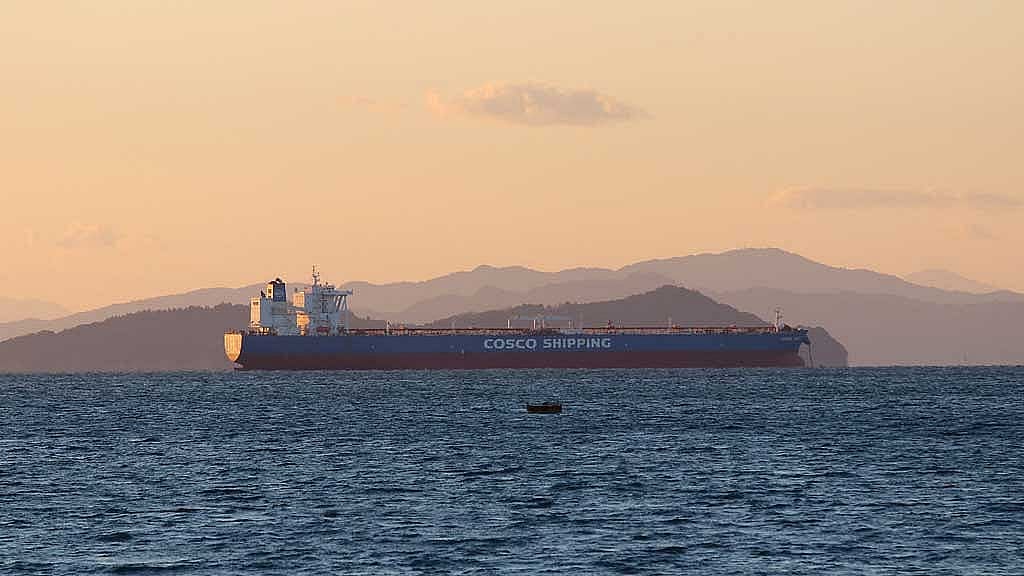
But the Iran-backed Houthis in Yemen have recently attacked Saudi-linked vessels in the Red Sea and announced a maritime blockade, creating fresh concern over the waterway.
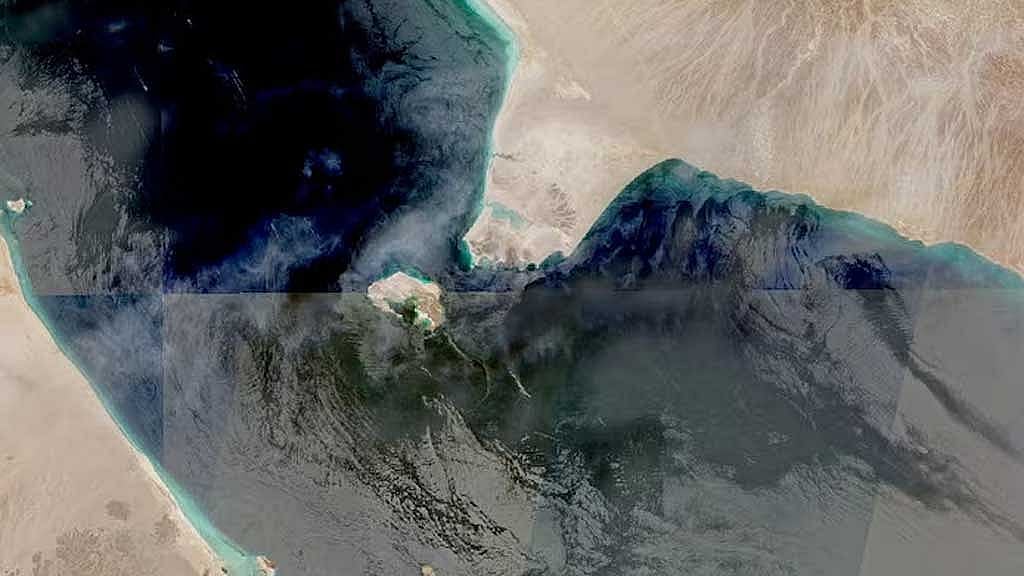
Around 10 to 12 percent of global seaborne trade passes through the Bab al-Mandab Strait. Several million barrels of oil are also transported through it each day.
At its narrowest point, the strait is only 29 kilometres wide, with ships restricted to two navigation channels. Any disruption could therefore have a major effect on global energy supplies and international commerce.
Saudi Arabia announced the new multinational maritime alliance on Jul 31 to secure the Bab al-Mandab Strait, the Red Sea, and the Gulf of Aden.
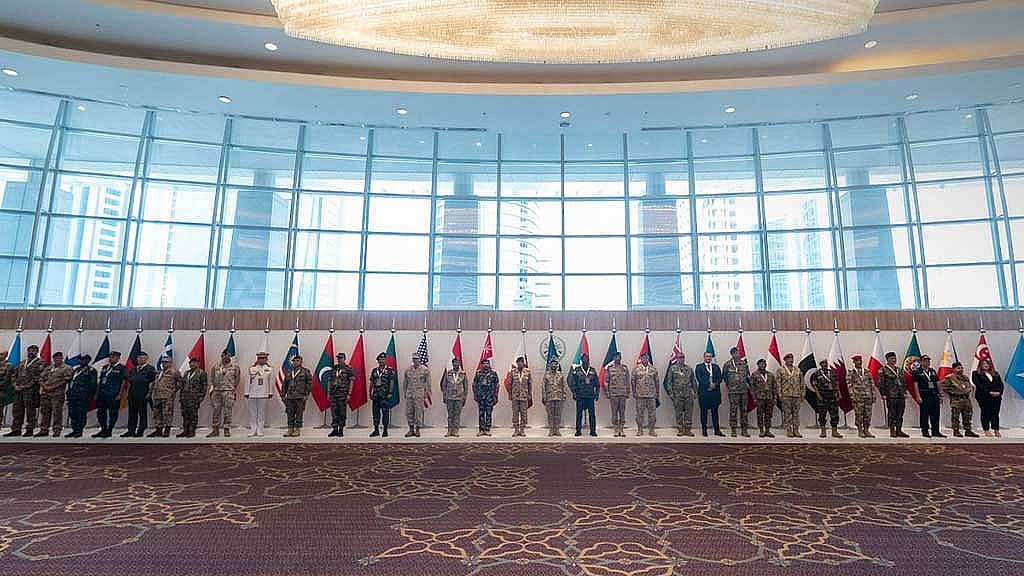
The declaration followed an international conference in Riyadh attended by military representatives from 43 countries and a delegation from the European Union.
Although 43 countries attended, only 14 including Bangladesh signed the joint declaration as founding members.
The Multinational Maritime Defence Alliance aims to safeguard navigation through the Bab al-Mandab Strait, the Red Sea, and the Gulf of Aden, protect international trade and energy routes, and defend the maritime interests of its members.
Its joint declaration describes the alliance as defensive and says it is not directed against any country, bloc or international organisation.
It says the alliance will operate in accordance with international law, relevant United Nations conventions, and the sovereignty of member states.
Saudi Arabia will host its permanent headquarters, including a joint operations co-ordination centre, a maritime operations centre, and a secretariat.
Members are also expected to co-operate on intelligence sharing, joint exercises, training, capacity-building and co-ordinated maritime operations.
Not Bangladesh’s First Saudi Alliance
Bangladesh has joined a Saudi-led military grouping before.
In 2015, it became a member of the Saudi-led Islamic Military Counter Terrorism Coalition. Dhaka did not, however, send a full delegation to the alliance’s headquarters.
The current BNP government has sought to connect diplomacy more closely with defence as it develops strategic relations with other countries.
It has already announced plans to establish “two-plus-two” dialogue platforms with Turkey and China, bringing together foreign and defence ministers.
Why Did Bangladesh Join?
Prime Minister’s Foreign Affairs Advisor Humaiun Kobir was asked about the decision at a press conference on Sunday.
He said Bangladesh had joined the alliance to “counter the Houthis”. “The central point is that we have a special relationship with Saudi Arabia.”
“We are not limiting that relationship to Hajj and Umrah, or viewing it only from a religious perspective. Relations between Dhaka and Riyadh will be strategic, and they will be very strong.”
He also referred to Saudi Arabia’s special status as custodian of Islam’s two holiest mosques.
“If Saudi Arabia ever seeks security assistance, Bangladesh, as one of the world’s largest Muslim countries, will always respond and provide support from a moral and ideological position.”
But he made clear that Bangladesh did not wish to enter into a confrontation with Iran. “We are also talking to Iran,” he said. “So this does not mean that Iran must be attacked.”
When State Minister for Foreign Affairs Shama Obaed Islam spoke to reporters at the foreign ministry on Monday, she said the government had given its support in principle for “stability, peace and security” in West Asia.
The form and extent of Bangladesh’s participation have yet to be decided.
“This is not against another group or anyone else,” she said. “We agreed to it in principle solely in Bangladesh’s interests and in the interests of its people.”
Asked whether Bangladesh would send troops as a partner in the Saudi alliance, Advisor Humaiun said support would depend on the country’s capabilities.
“Bangladesh will provide whatever assistance is required to address them, in accordance with its capabilities.”
Opposition from the Left
The Ganatantrik Jukto Front, an alliance of left-wing and progressive parties, has condemned Bangladesh’s participation and demanded its immediate withdrawal.
In a statement, the alliance said joining a military grouping led by Saudi Arabia, a US partner, would heighten Bangladesh’s security, commercial and economic risks.
It could also lead to unnecessary military spending, the statement said.
The grouping warned that Bangladesh’s balanced diplomatic relationships with Iran and other regional countries could be damaged.
It also argued that Bangladeshi cargo vessels could become targets for armed groups such as the Houthis.
“Participation in this US-backed allied coalition amounts to taking a position against the anti-imperialist struggle of the peoples of Iran and Palestine,” it said, describing the move as inconsistent with Bangladesh’s non-aligned foreign policy.
What Does Bangladesh Stand to Gain, Or Lose?
Former ambassador Humayun Kabir views Bangladesh’s participation as support for the international principle of freedom of navigation.
“I do not see anything to fear here,” he said. “This is not about a direct conflict over Hormuz or with Iran. It is about keeping the Red Sea open, and we are supporting that in principle.”
Asked whether Bangladesh was abandoning its policy of avoiding conflict, he said the matter went beyond foreign policy because the country’s national interest was directly involved.
“If the Red Sea is closed, we will be in serious trouble,” he said. “A large part of our trade passes through that route.”
Security analyst Nasir Uddin Ahmed accepts the national-interest argument, but says Bangladesh must consider the possible diplomatic and security repercussions.
“Our defence forces, particularly the navy’s submarine capability, came from China,” he said.
“China and other countries that support Iran, or oppose the United States, may not view the Bangladesh Navy’s participation in a Saudi-led alliance positively.”
He said the greatest risk would arise if Bangladesh deployed a naval force or became involved in establishing a naval base.
“In that event, it could become a target for Iran or the Houthis.”
The BEI chief Kabir, however, believes direct Bangladeshi military involvement in the Red Sea is unlikely for now.
“Unless it is under the United Nations, we do not generally deploy forces in this way,” he said. “That has been our longstanding policy.”
Nasir said Bangladesh’s participation would become more meaningful if it secured tangible benefits from Saudi Arabia.
“If Saudi Arabia ensures sufficient investment and other assistance for Bangladesh, plays a strong role in its energy security and, above all, promises to stand beside Bangladesh if it is ever attacked by a foreign power, then joining the alliance would be justified.”