Published : 30 Aug 2026, 06:37 PM
Updated : 08 Sep 2026, 09:37 AM


Evidence from an Indian court case supports Salahuddin Ahmad’s account that he was abducted in Dhaka, held for 61 days in secret detention and later taken across the border and abandoned in Shillong, according to the International Crimes Tribunal’s chief prosecutor.
Md Aminul Islam said investigators examining the BNP leader and current home minister's enforced disappearance had reviewed records from the Foreigners Act case filed against Salahuddin in India, including witness statements, cross-examinations and the judgment.
“Both the testimony of the Indian police and the defence evidence established that he did not go there voluntarily,” Aminul told bdnews24.com.
“Rather, he was abducted by Bangladeshi law-enforcing agencies, taken to that country and left there.”
From Uttara to Shillong
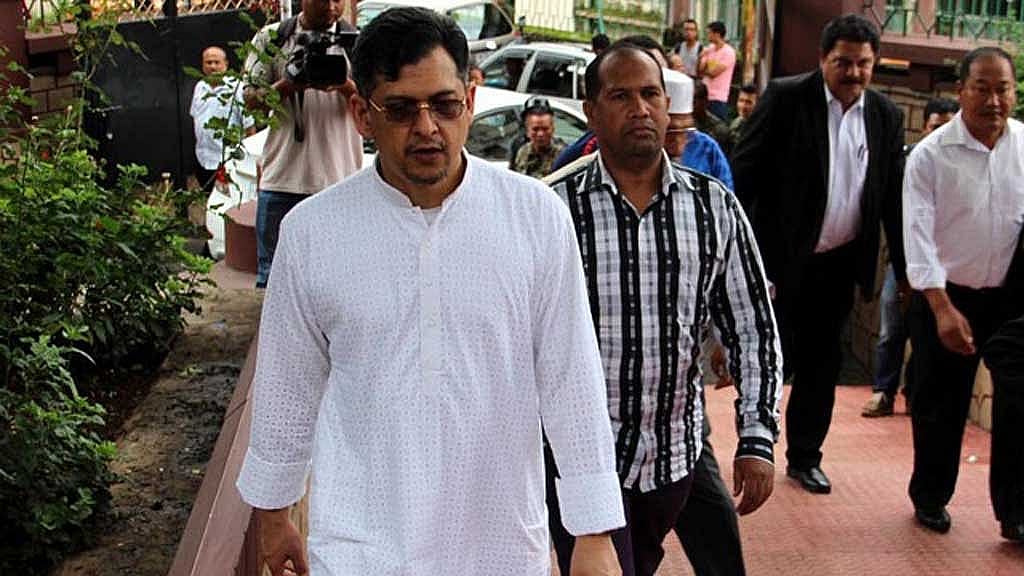
Salahuddin, then a BNP joint secretary general, disappeared from a house in Dhaka’s Uttara on Mar 10, 2015, during an anti-government movement.
His wife Hasina Ahmad and the BNP alleged at the time that armed men in plain clothes posing as law-enforcement personnel had taken him away. Law-enforcing agencies denied the allegation.
Salahuddin later said he was blindfolded, had his hands tied and was held for 61 days in a small cell where he could not tell day from night.
He further recounted that food was passed through the bottom of the door and he was rarely taken outside
“The conditions of my detention were even worse than the descriptions of the Aynaghor that are now emerging in the media,” he previously told bdnews24.com.
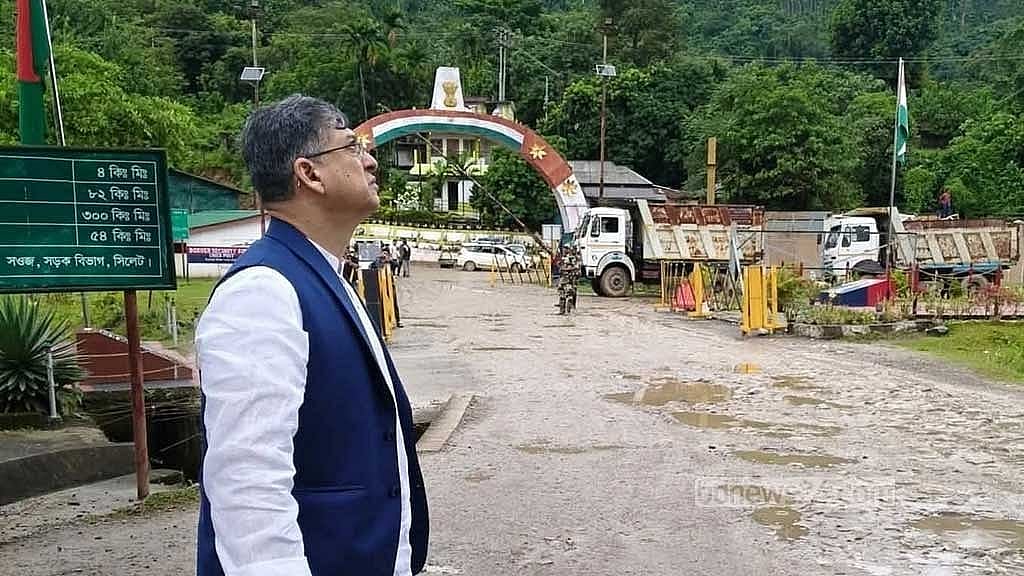
After 61 days, he was taken on a long journey while still blindfolded and restrained before being left near a golf course in Shillong, according to Salahuddin.
“They told me, ‘You are free now’,” he said.
He was found in Shillong, the capital of the Indian state of Meghalaya, on May 11, 2015, after local residents alerted police.
Aminul said Indian court records showed Salahuddin was in a traumatised state when he was found and was taken to hospital.
When police asked for travel documents, Salahuddin said he did not know how he had entered India and told them he had been abducted in Bangladesh, according to Aminul.

Foreigners Act Case
Meghalaya Police later charged Salahuddin under Section 14 of India’s Foreigners Act for entering the country without valid travel documents.
The investigating officer, Sub-Inspector P Lamare, submitted a chargesheet on Jun 3, 2015, alleging that Salahuddin had entered India deliberately to evade cases in Bangladesh.
Charges were framed the following month.
Salahuddin pleaded not guilty and maintained throughout the trial that he had been forcibly taken to India.
Aminul said prosecution testimony nevertheless contained details that supported parts of Salahuddin’s account.
“The interesting thing is that this was established both in the prosecution case and in the defence evidence,” he said.
He said prosecution witnesses also supported evidence that Salahuddin had been traumatised and required hospital treatment after being found.
Salahuddin also testified in court about how he was allegedly abducted, where he had been held in Bangladesh and how he was eventually taken to Shillong.
Acquittal Upheld
A Shillong court acquitted Salahuddin in the Foreigners Act case on Oct 26, 2018.
Aminul said the court accepted his account that he had been abducted and left in Shillong.
The Indian government appealed, but the Shillong district and sessions court upheld the acquittal on Feb 28, 2023.
Alleged Awami League Involvement
Aminul also alleged that the then Awami League government had been involved in the events surrounding Salahuddin’s disappearance and the subsequent legal process in India.
He said an initial review of documents pointed to the “direct involvement” of then prime minister Sheikh Hasina and the then home minister.
Aminul questioned how Salahuddin could have been abducted in Bangladesh, held for an extended period and then taken to another country without coordination between officials.
“The then head of government, the home minister, the relevant police officials and responsible RAB personnel acted according to a meticulous plan and in collaboration with one another,” he said.
Aminul added that several people had already been named as accused in the tribunal case and that others could be added if supported by evidence.
Probe Nearing Completion
Salahuddin returned to Bangladesh on Aug 11, 2024, nearly nine years after his disappearance.

He filed a complaint with the International Crimes Tribunal in June 2025 seeking justice over his enforced disappearance.
Aminul said the investigation was now nearing completion, with investigators verifying witness accounts and examining the roles of those allegedly involved.
Formal charges will be prepared once the investigation report is submitted, he said.
The complaint names former Army major general Ziaul Ahsan, ousted former prime minister Hasina, former home minister Asaduzzaman Khan, former inspectors general of police Benazir Ahmed and AKM Shahidul Haque, former Dhaka Metropolitan Police commissioner Asaduzzaman Mia, former Special Branch chief Monirul Islam and several unidentified people.
Tribunal prosecutor SM Tasmirul Islam said that a new miscellaneous case had been opened over Salahuddin’s disappearance.
Ziaul has been formally arrested in the case, he added.
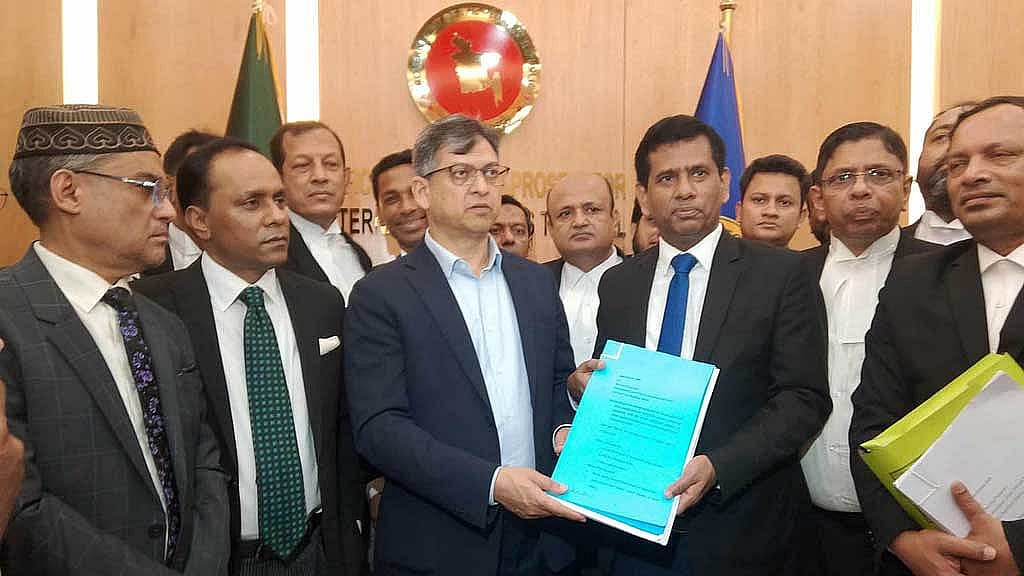
“We are working with the aim of submitting the investigation report within the next three months and hope to do so within the stipulated time.”