Home
+
Published : 24 Jul 2026, 05:54 PM
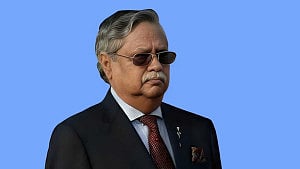
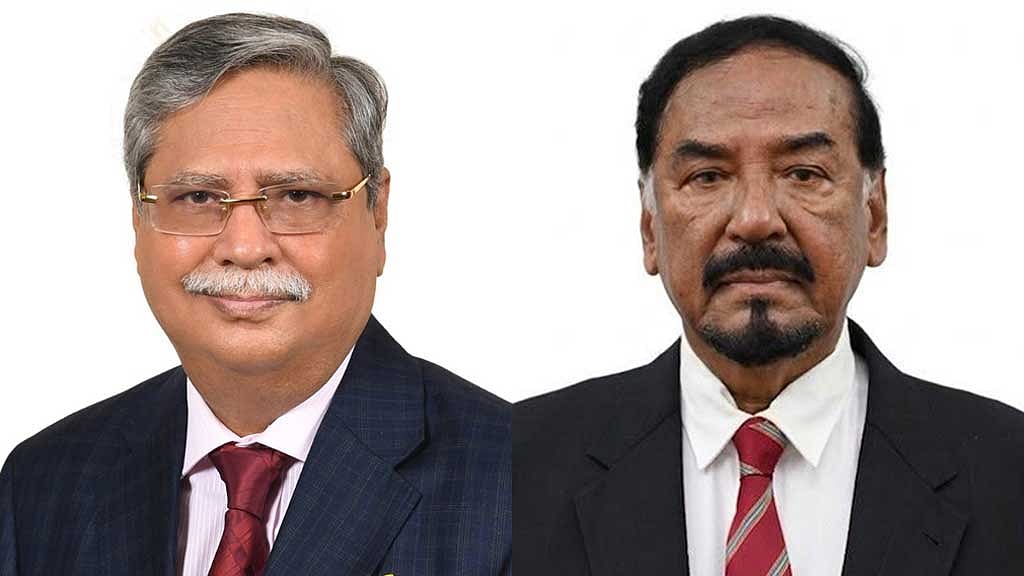
Speaker Hafiz Uddin Ahmad has assumed the role of acting president after Mohammed Shahabuddin resigned from office, citing “serious” health complications.
The Constitution requires the speaker to discharge the president's duties until a new head of state is elected.
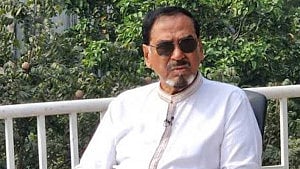
On Friday afternoon, Shahabuddin confirmed his resignation to bdnews24.com via WhatsApp, saying: "It's already public knowledge. What's the point of hearing it from me? I am sick, so it is done."
Asked whether he had signed the resignation letter, he replied: "I've already said it. You can understand."
Md Sarwar Alam, press secretary to the president, later confirmed that Shahabuddin had submitted his resignation letter to the speaker, citing "serious illness".
In the letter, the outgoing president wrote: "I am seriously ill. I suffer from heart disease, high blood pressure, diabetes and kidney complications. I have undergone cardiac bypass surgery. Recently, I was also diagnosed with autonomic neuropathy.
"Because of this illness, I occasionally lose consciousness. Owing to these medical conditions and the resulting physical and mental incapacity, I am no longer able to discharge the responsibilities of such an important constitutional office. I require long-term treatment."
Shahabuddin stepped down as Bangladesh's 22nd president with nearly two years still remaining in his five-year term.
Under Article 54 of the Constitution, Speaker Hafiz Uddin Ahmad has assumed the role until a president is elected.
The resignation followed days of speculation that began on Wednesday after a Facebook post by expatriate Bangladeshi journalist Zulkarnain Saer claimed Shahabuddin was preparing to step down.
On Thursday, multiple officials at the President's Office and a person close to Shahabuddin told bdnews24.com that he had already decided to resign, but submission of the resignation letter was being delayed because the speaker was abroad.
Although the Constitution does not require the speaker to be present, officials said the government asked Hafiz Uddin to cut short his Thailand visit as he would immediately assume the president's duties.
The speaker, who had travelled to Bangkok on Jul 19 for medical treatment and was due back on Jul 26, returned to Dhaka on Friday afternoon.
Speaking to reporters at the airport, he insisted he knew nothing about the reported resignation, saying he had been overseas for a week and had heard only what journalists had heard.
Within hours, Shahabuddin's resignation placed the responsibilities of acting president on his shoulders.
Shahabuddin, who took office on Apr 24, 2023, after being elected with Awami League backing, found himself at the centre of extraordinary political upheaval 16 months into his tenure when the July movement toppled Sheikh Hasina's government.
Despite the collapse of the government, he remained in office, dissolving parliament, administering the oath to the interim administration led by Nobel laureate Muhammad Yunus and signing ordinances needed to implement its decisions.
His departure had long appeared likely. In an interview with Reuters before the February election, he said: "I am eager to leave. I want to go."
Asked separately by bdnews24.com when he wished to resign, he replied: "When the new government comes... if the new government requests it."
When asked why, his answer was brief: "I don't like it anymore."
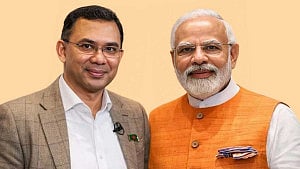
After the BNP formed the government, however, Shahabuddin remained in office to administer the oath to Prime Minister Tarique Rahman and his cabinet.
His health had also deteriorated. During treatment in Cambridge in May, doctors discovered a serious blockage in one of his coronary arteries during an angiogram and immediately inserted a stent through angioplasty.
Even while receiving treatment in London, he continued approving official government documents electronically.
Political observers have also suggested that, besides health concerns, Shahabuddin's relationship with the administration had become increasingly strained.
Reports that he had spoken by phone with deposed prime minister Hasina during his treatment in London further fuelled speculation, though Shahabuddin later denied that any such conversation had taken place.