Published : 14 Nov 2026, 10:50 AM
Updated : 14 Nov 2026, 10:50 AM


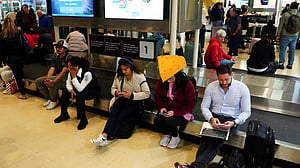
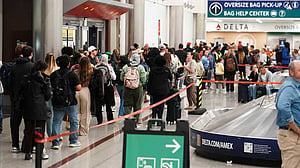
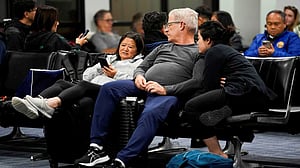
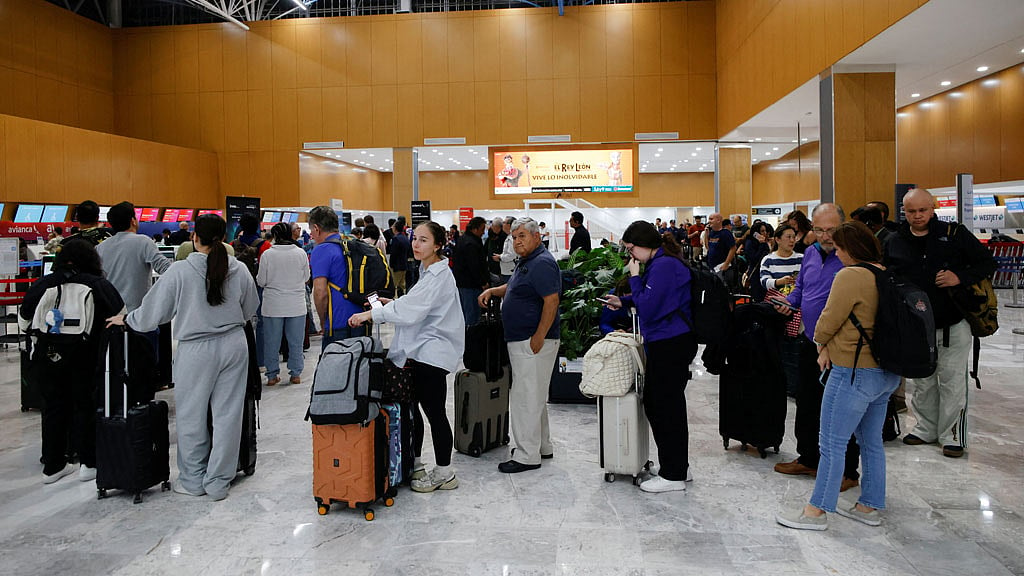
The United States has resumed departures after a nationwide ground stop halted most flights from taking off for more than four hours, triggering thousands of cancellations and delays.
The Federal Aviation Administration (FAA) imposed the safety measure on Nov 13 following a telecommunications failure affecting air traffic control facilities nationwide.
The restriction was lifted at 8:15pm Eastern Time, but airlines faced a lengthy recovery.
Here is what we know.
What Happened?
The FAA ordered a nationwide ground stop at 3:54pm after communications problems affected its 22 air route traffic control centres, which manage aircraft travelling between airports.
Most flights awaiting departure were held on the ground. Aircraft already airborne could continue and land, while some emergency and international flights received exemptions.
Transportation Secretary Sean Duffy said the restriction was imposed as a precaution while technicians worked to stabilise the system.
What Caused the Disruption?
Duffy blamed ageing communications technology, saying switches and routers became overloaded with data and began producing inconsistent information.
He said radar and communications systems had become unstable before the FAA halted departures.
The immediate equipment problem was identified and services restored, but officials have not published a final investigation explaining what triggered the overload.
Was it a Cyberattack?
Homeland Security Secretary Markwayne Mullin said investigators had found no indication of a cyberattack or other malicious activity.
He cautioned that the investigation was continuing, so the preliminary assessment should not be treated as a definitive finding.
How Many Flights Were Affected?
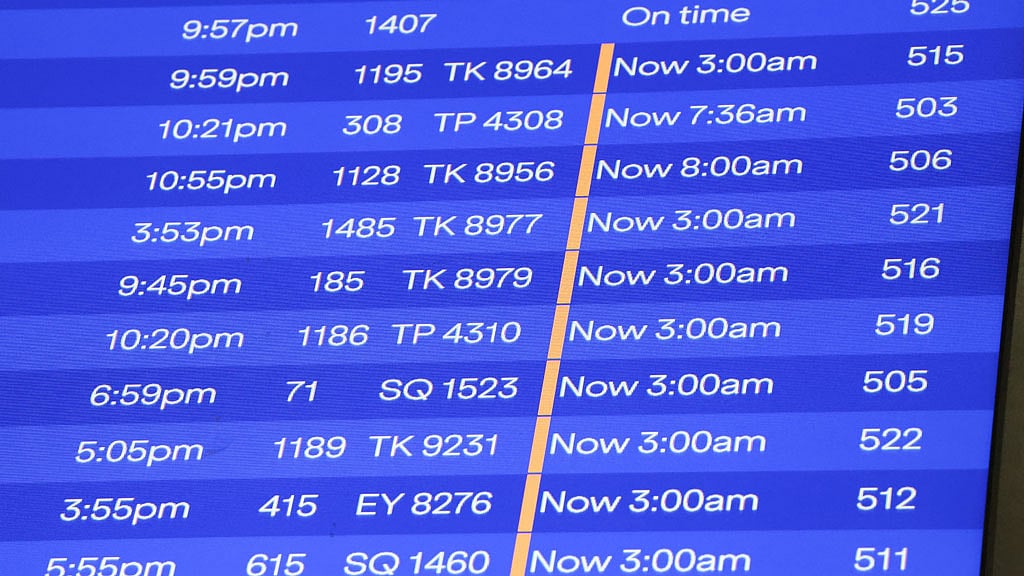
More than 6,600 flights were cancelled and around 10,000 delayed in the United States by late Friday, according to flight-tracking figures reported by Business Insider.
The totals reflect wider disruption to air travel and cannot all be attributed individually to the ground stop.
International services were also affected as airlines adjusted schedules and aircraft movements.
Why Are Flights Still Disrupted?
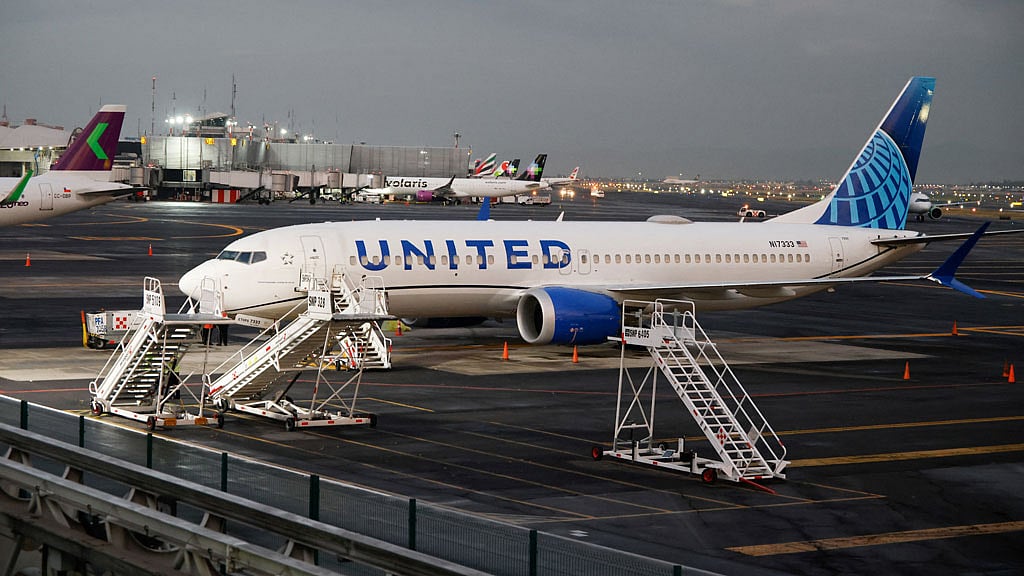
Lifting the ground stop does not immediately put aircraft and crews back where they are needed.
Planes may be stranded at the wrong airports, while pilots and cabin crew can reach their permitted duty limits during lengthy delays.
Duffy warned that normal operations would take time to resume and urged passengers to check with their airlines.
Has This Happened Before?
Nationwide departure ground stops are exceptionally rare.
The previous one came in January 2023, when a malfunction in the FAA's Notice to Air Missions system halted domestic departures for less than two hours.
Before that, a nationwide stop followed the Sept 11, 2001, attacks.
What Happens Next?
The FAA is investigating the failure as the Trump administration seeks more money to modernise air traffic control.
Duffy has called on Congress to provide $50 billion for upgrades, warning that ageing equipment could cause further disruption.
Airlines, meanwhile, must clear the backlog and reposition crews and aircraft before schedules return to normal.