Published : 12 Sep 2026, 05:00 PM
Updated : 16 Sep 2026, 11:49 AM


Egypt, Ethiopia, Iran and the United Arab Emirates joined in 2024. Indonesia followed in 2025. More countries are seeking closer ties with the grouping.
Pakistan wants in too.
Islamabad formally applied for BRICS membership in 2023 and is among 29 countries seeking to join, NDTV reports.
Nearly three years later, however, it remains outside.
So what is holding it back?
Applying does not guarantee membership. BRICS takes decisions by consensus, meaning Pakistan needs agreement within the existing grouping.
And that puts its difficult relationship with India firmly in the spotlight.
Pakistan Makes Its Case
Pakistan's Foreign Ministry confirmed in December 2023 that Islamabad had made a formal request to join BRICS.
It has repeatedly reaffirmed that ambition since.
In September 2024, the ministry said Pakistan was "awaiting a signal" from BRICS over its request and argued that, as a developing country, it was qualified to play an important role in the grouping.
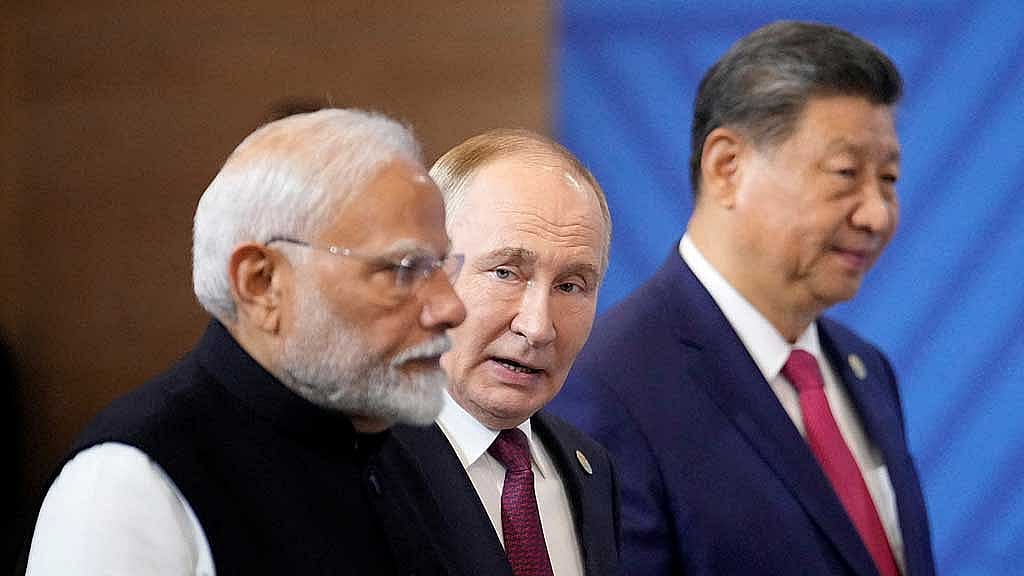
A month later, after Pakistan was not invited to the BRICS summit in Kazan, the ministry said Islamabad believed it could contribute to international cooperation and "inclusive multilateralism".
Pakistan remained "focused and serious" about securing full membership as of July 2025, describing BRICS as an important vehicle for promoting multilateralism based on sovereign equality.
NDTV reports that economic considerations are also driving Islamabad's interest. The broadcaster says Pakistan sees closer engagement with BRICS as an opportunity to diversify its economic relationships as it grapples with domestic economic challenges.
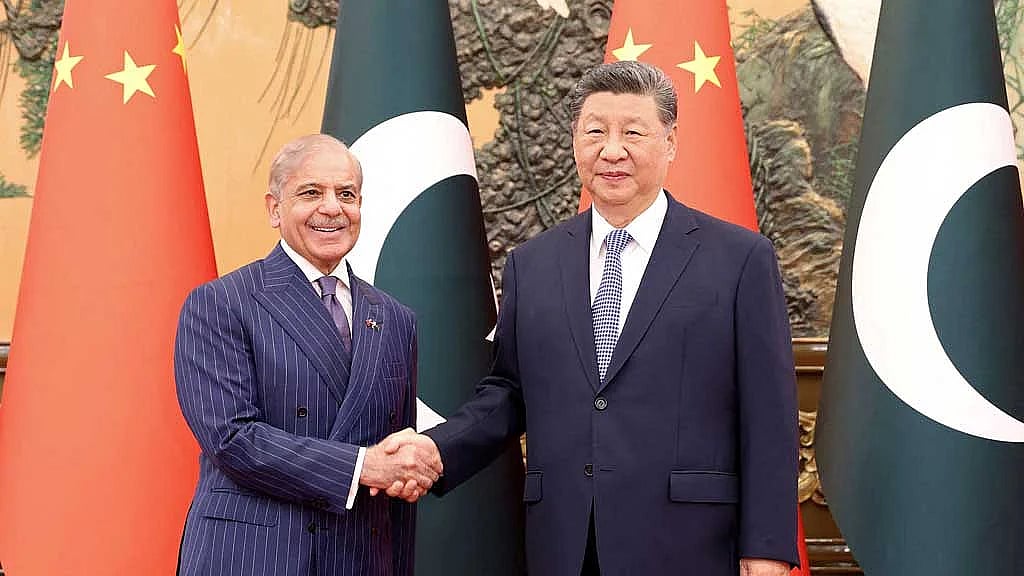
Pakistan already has close ties with China and has also sought to deepen economic relations with Russia.
But those relationships alone cannot secure membership.
Where India Comes In
BRICS operates by consensus rather than majority vote, meaning new members need agreement from the existing grouping.
Indian media reports and analysis have identified New Delhi's opposition as the principal obstacle facing Pakistan's application.
India Today notes that support from China and Russia would not be enough to secure Pakistan's membership if India withheld its consent.
Relations between the nuclear-armed South Asian neighbours remain deeply strained.
New Delhi has repeatedly accused Islamabad of supporting cross-border terrorism, allegations Pakistan denies.
India has publicly supported expanding BRICS in principle.
At the 2023 Johannesburg summit, Modi said India had "always fully supported" expansion and welcomed agreement on guiding principles, standards and criteria for admitting new members.
But New Delhi has not publicly endorsed Pakistan's application.
There is therefore an important distinction between India's official position and the assessment appearing in Indian media: the Indian government has not publicly said it is blocking Pakistan, but Indian reports identify New Delhi's opposition as the key hurdle facing Islamabad's bid.
BRICS Expands Without Pakistan
Pakistan's application comes during a period of rapid expansion.
Egypt, Ethiopia, Iran and the UAE became members in 2024, followed by Indonesia in 2025, according to Reuters.
Saudi Arabia was also invited but has not formally accepted membership.
BRICS has also created a separate category of partner countries, allowing states to develop closer ties with the grouping without becoming full members.
Expansion has increased BRICS's geographical reach but also complicated its consensus-based approach.
Reuters reports that divergent foreign-policy interests have made agreement more difficult, with tensions between Iran and the UAE over the war in West Asia already exposing divisions within the grouping.
That creates a wider question over further expansion.
Adding members can increase BRICS's reach and influence. But it also introduces more national interests into a grouping that depends on consensus.
So Could Pakistan Still Get In?
Pakistan's application remains on the table.
But there is no automatic path from application to membership and no publicly announced timetable for Islamabad to join.
Pakistan says it intends to keep trying.
"We remain serious about pursuing its membership, and we will persist with our efforts to become its full member," a Foreign Ministry spokesperson said in July 2025.
China and Russia may be important relationships for Islamabad, but admission requires wider agreement within BRICS.
And Pakistan's strained relationship with one of the grouping's founding members makes achieving that consensus more complicated.