Published : 07 Sep 2026, 06:10 AM
Updated : 16 Sep 2026, 11:48 AM


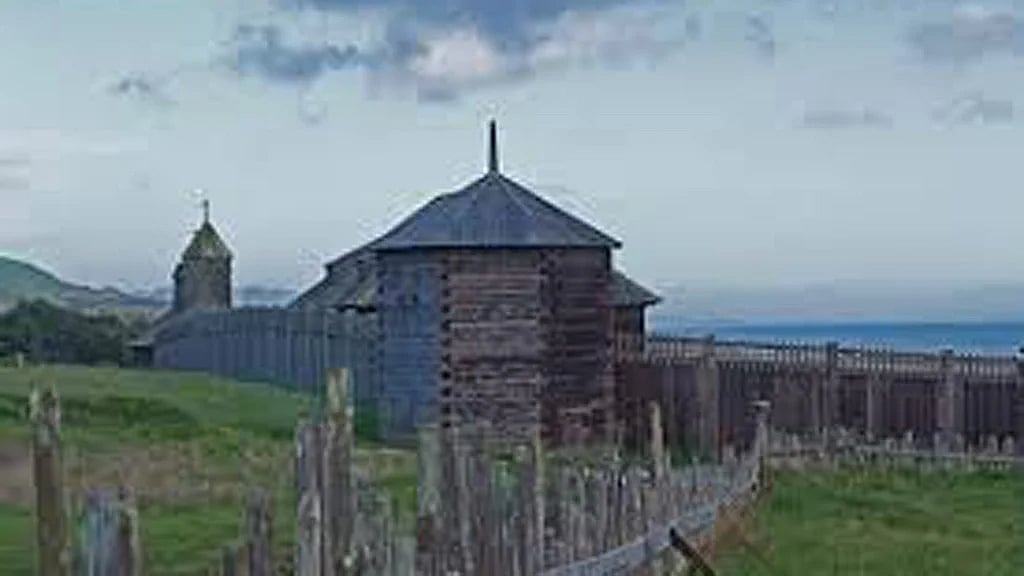
A lonely twin-domed chapel topped with Orthodox crosses rises above California's rugged Sonoma coast, a surprising reminder of a little-known chapter in US history.
About two hours north of San Francisco, Fort Ross marks the southernmost edge of what was once the Russian Empire in North America, the BBC reports.
For nearly 30 years, from 1812 to 1842, this remote stretch of California was home to a Russian colony.
BBC reports that millions travel California's spectacular Pacific Coast Highway, but few realise that a secluded headland 90 miles north of San Francisco preserves a relic of Tsarist Russia.
"Welcome to Fort Ross, the southern edge of the Russian Empire," archaeologist Chris Kimsey of California State Parks told the BBC.
The wooden stockade stands on a bluff above the Pacific, surrounded by redwoods, cliffs and crashing waves.
Even many Californians know little about Russia's former presence here. "They all know about the Spanish and the Mexicans, but almost no one knows anything about the Russians being here," anthropologist Kent Lightfoot told the BBC. "It's kind of like the forgotten empire."
Russia's expansion into North America began with its eastward push across Siberia. By the late 18th Century, Russian settlements had spread across Alaska, where the Russian-American Company controlled the lucrative fur trade.
But the harsh climate made farming difficult, leaving colonists dependent on food from elsewhere.
In 1806, Russian-American Company director Nikolai Rezanov sailed into San Francisco Bay seeking provisions for Alaska's starving settlements, according to the BBC. He soon recognised northern California's potential and proposed expanding Russian America south.
Six years later, 25 Russians and 80 Native Alaskan hunters established Fort Ross on Sonoma's coast. It was intended to supply Alaska with food, but it developed into something far more diverse.
BBC reports that by the 1830s, nearly 400 people lived in the wider colony, including Russians, Native Alaskan hunters, Kashaya Pomo and Coast Miwok workers, Europeans and people of mixed heritage.
"It was a bustling, pluralistic mercantile village, with lots of languages and people from different homelands living together," Lightfoot was quoted as saying by the BBC.
Fort Ross was also an important centre of early California industry. Workers built some of the state's first ocean-going ships and produced bricks, glass and windmills. Coopers, carpenters, and blacksmiths from places as far away as Finland and Hawaii worked along the coast.
Despite fears of rivalry, the Russian and Spanish empires never went to war in California. Instead, they traded with each other. "They both needed things the other side could provide," Kimsey told the BBC.
The Russians also left an agricultural legacy. They planted Sonoma County's first grapes in 1817 and experimented with orchards and crops. Today, Sonoma is world-famous for its wine, though the Russian settlers' original Mission grape remains rare.
Yet Fort Ross ultimately failed in its two main goals: making a profit and feeding Russian Alaska. Overhunting devastated the local sea otter population, while coastal fog and rodents made farming difficult. When the Hudson's Bay Company agreed to supply Russian Alaska in 1839, the California colony became increasingly unnecessary.
In 1841, the Russians sold Fort Ross and its assets to Swiss immigrant John Sutter for $30,000. Seven years later, gold was discovered at Sutter's property, helping trigger the California Gold Rush. BBC notes that Russia's departure came just before one of the most transformative periods in California's history.
Today, traces of that Russian past remain across northern California. San Francisco's Russian Hill was named after the graves of Russian sailors, while Bodega Bay and the Russian River Valley retain connections to the colony's history.