Published : 11 Sep 2026, 11:56 PM
Updated : 16 Sep 2026, 11:49 AM


Narendra Modi will host them. Xi Jinping is returning to India after seven years. Vladimir Putin is already in Delhi and has begun talks with Modi.
When the three leaders come together at this weekend's BRICS Summit, the photograph alone will carry considerable geopolitical weight.
But Modi, Xi and Putin are not coming to the table with the same agenda.
Each has something different to gain.
Modi: Work with Everyone, Choose No Camp
For Modi, the summit offers another opportunity to demonstrate India's pursuit of strategic autonomy.
New Delhi works with the United States, Japan and Australia through the Quad. It maintains a longstanding strategic partnership with Russia. And after years of border tensions, it is cautiously rebuilding relations with China.
India's involvement in BRICS reflects a broader policy of "multi-alignment" underpinned by strategic autonomy, according to an analysis in The Indian Express.
As host, New Delhi wants the grouping to amplify the voice of the Global South and press for reform of international institutions while pursuing practical economic cooperation.
Proposals being considered in Delhi include a BRICS startup innovation fund, an incubator network and a framework for more resilient supply chains, according to The Indian Express.
But India has been wary of allowing BRICS to be defined primarily by opposition to the West.
That balancing act will be on display in Delhi.
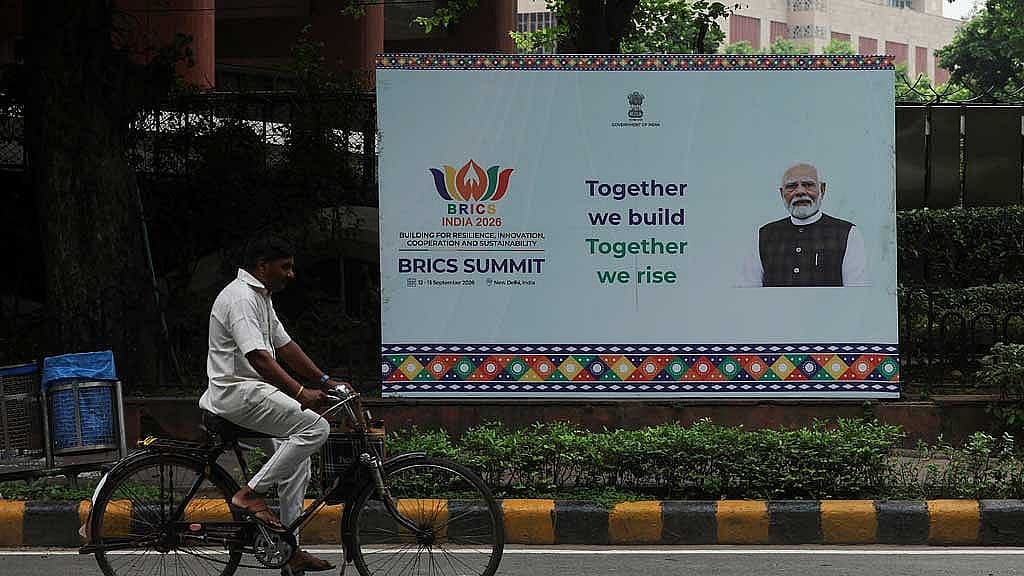
Modi began talks with Putin on Friday, with trade, energy and defence ties in focus. Russia remains one of India's largest energy suppliers even as New Delhi faces pressure from Washington over its purchases of Russian oil, Reuters reports.
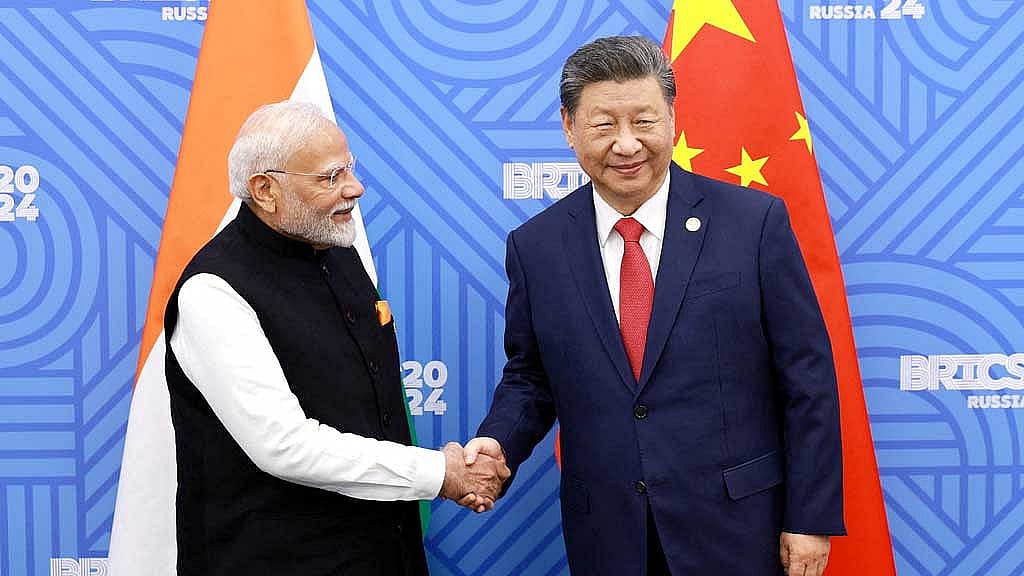
India and China, meanwhile, are arranging a bilateral meeting between Modi and Xi as the Asian neighbours try to build on their recent diplomatic thaw.
Taken together, the relationships illustrate India's effort to maintain room to manoeuvre among competing global powers rather than align exclusively with any one of them.
Xi: Keep the India Thaw Moving
Xi arrives with both a bilateral and a broader BRICS objective.
His immediate opportunity is India.
China's Foreign Ministry confirmed on Friday that Beijing and New Delhi were arranging talks between Xi and Modi.
The visit is Xi's first to India since 2019. In between came the deadly 2020 border clash that plunged relations into crisis, years of military tension and, more recently, a gradual diplomatic reset.
Beijing says it now wants to approach relations with India from a "strategic and long-term perspective", strengthen cooperation and manage differences.
Xi's agenda extends beyond bilateral ties.
His attendance underscores the importance Beijing attaches to BRICS and places China alongside host India at the centre of efforts to hold the expanded grouping together, Reuters reports.
A more stable relationship between the group's two largest economies would also remove one potential source of friction as BRICS tries to find consensus among its increasingly diverse membership.
Putin: Deepen Ties with a Crucial Partner
Years of Western sanctions and efforts to isolate Moscow over the war in Ukraine have increased the importance to Russia of relationships outside the West.
India is among the most consequential.
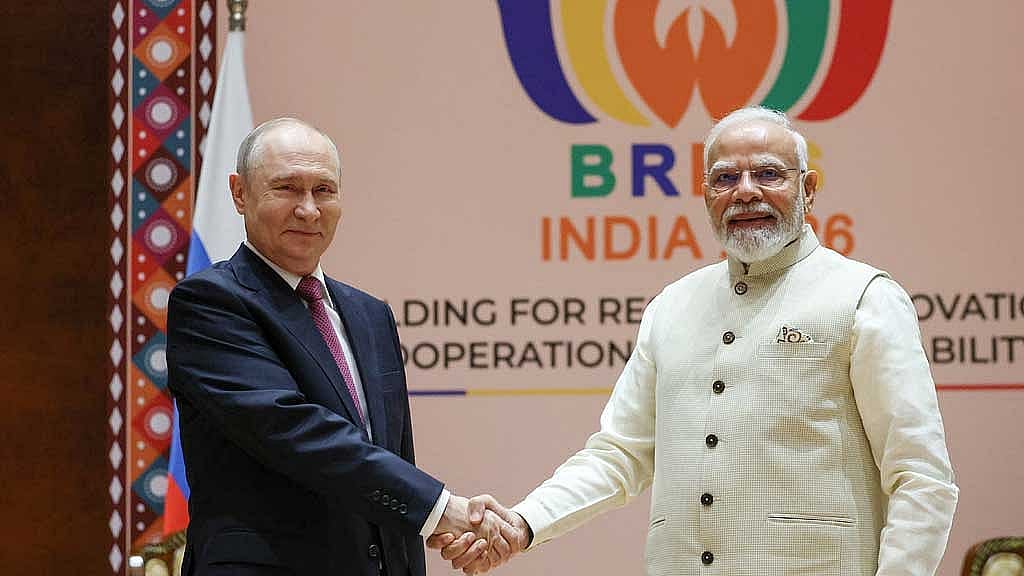
Putin and Modi began talks in Delhi on Friday focused on trade, energy and defence, with cooperation in areas ranging from civil nuclear energy and fertilisers to critical minerals and manufacturing also expected to feature, according to an Indian source cited by Reuters.
Energy is particularly important.
India, along with China, is one of the biggest buyers of Russian oil. Russia's share of Indian crude imports reached a record 51 percent in July as disruption to Middle Eastern supplies increased Indian refiners' reliance on Moscow, Reuters reports.
The Delhi summit also gives Putin another opportunity to appear alongside leaders of major emerging economies despite Western efforts to isolate Russia since its 2022 invasion of Ukraine.
But India's relationship with Moscow does not amount to alignment on every issue.
New Delhi continues to pursue close relations with the United States and Europe while maintaining its longstanding partnership with Russia.
Where Their Interests Meet — and Where They Don't
There is still plenty that brings Modi, Xi and Putin together.
Trade tensions, geopolitical conflict and disruption to global energy supplies have given BRICS members fresh reasons to explore closer economic cooperation, according to Reuters.
The war in West Asia gives those concerns particular urgency.
Traffic through the Strait of Hormuz, one of the world's most important energy routes, has fallen dramatically, while crude prices have climbed above $100 a barrel.
Yet the crisis also exposes the difficulties facing BRICS.
Iran and the UAE are both part of the grouping, but the war has driven a sharp wedge between them. The UAE suspended all trade and financial transactions with Tehran in August after being hit by Iranian missiles, Reuters reports.
Their differences are complicating efforts to agree on a summit declaration after BRICS foreign ministers failed to produce a joint statement in May, according to Reuters.
There are other fault lines too.
India and China have their own unresolved border dispute and lingering strategic mistrust.
Analysts writing in The Indian Express argue that China and Russia favour a stronger BRICS role in a more multipolar international system, while India has been more cautious about defining the grouping primarily through opposition to the West.
That makes the gathering of Modi, Xi and Putin striking, but the photograph should not necessarily be mistaken for agreement on where BRICS should go next.