Published : 26 May 2026, 05:50 PM
Updated : 28 Aug 2026, 01:34 AM


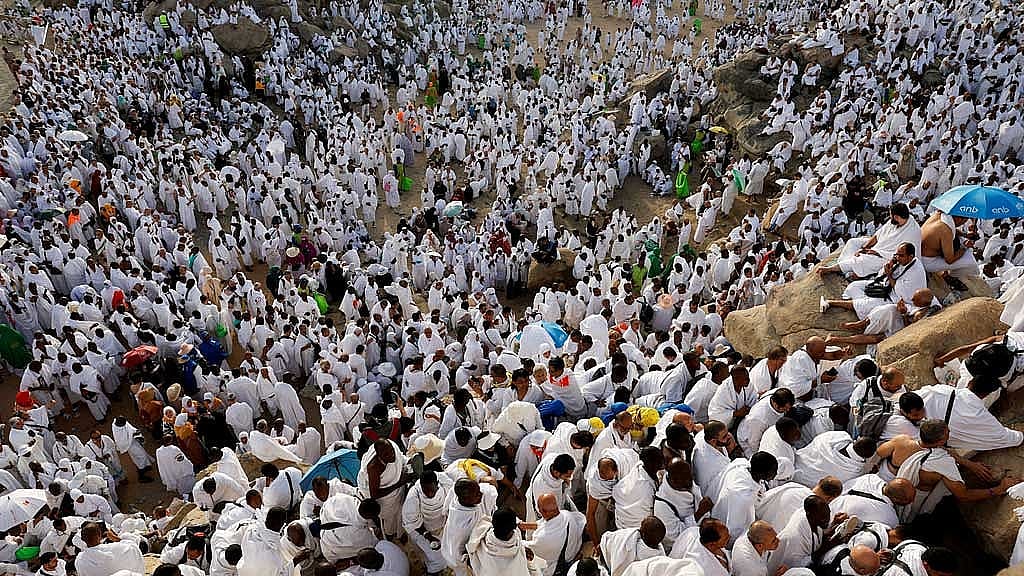
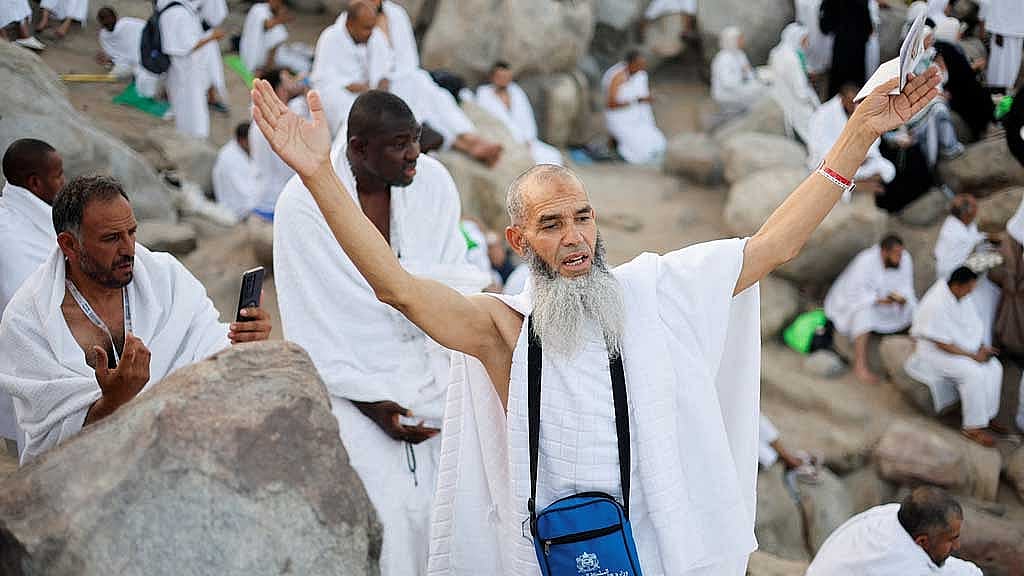
Millions of Muslims gathered in Saudi Arabia are heading early in the morning from the tent city of Mina to the ground of Arafat.
As they present themselves before the Creator, the field echoes with the chant: “Labbaik Allahumma Labbaik, Labbaika La Sharika Laka Labbaik, Innal Hamda Wan Ni‘mata Laka Wal Mulk, La Sharika Lak.”
Meaning, “I am here, O Allah, I am here. You have no partner. Surely all praise, blessings, and sovereignty belong to You. You have no partner.”
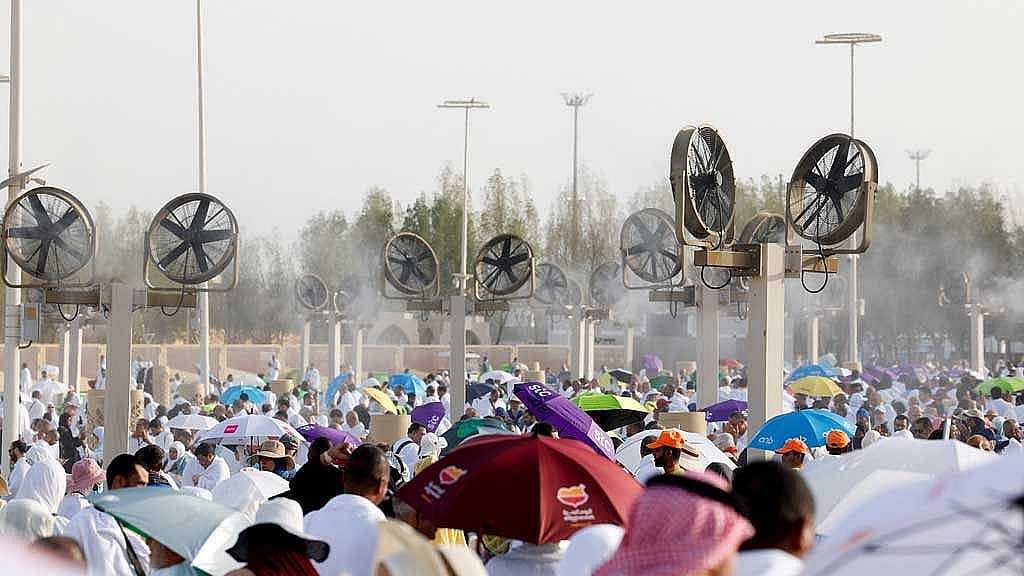
From sunrise to sunset on Tuesday, pilgrims will remain at Arafat. They will listen to the Hajj sermon and perform the Zuhr and Asr prayers. Staying at Arafat is the key ritual of Hajj.
This year’s Hajj sermon at Arafat will be delivered by Sheikh Ali bin Abdur Rahman Al-Hudhaifi, Imam and Khateeb of Masjid an-Nabawi.
He will deliver the sermon and lead the prayers at Masjid al-Namirah on the western side of the ground.
Despite concerns over war tensions in the Persian Gulf region and the intense heat, more than 1.5 million Muslims from around the world have gathered in Saudi Arabia for Hajj this year.
A total of 79,164 pilgrims from Bangladesh are performing Hajj.
The Makkah Met Office and Saudi Arabia’s National Center for Meteorology (NCM) have forecast that temperatures during Hajj could reach 47 degrees Celsius.
Pilgrims have therefore been advised to carry umbrellas.
Hajj is the fifth pillar of Islam. It is obligatory once in a lifetime for every physically and financially capable Muslim man and woman.
Hajj consists of wearing Ihram with the intention of Hajj during the specified days of Zilhajj -- especially on the 9th of Zilhajj -- standing at Arafat, staying in Mina and Muzdalifah, performing Tawaf (circling around) around the Kaaba, and completing Sa’i (running 7 times) between Safa and Marwah.
Each of its worships has its own unique characteristics and traditions. Along with these, there is the sacrifice of Hazrat Ismail Ibrahim at the hands of his father Prophet Hazrat lbrahim (AS), the teaching of steadfast trust and obedience to Allah.
Hajj Schedule at a Glance
8 Zilhajj (Monday): Stay in Mina
9 Zilhajj (Tuesday, sunrise to sunset): Stay at Arafat
9 Zilhajj (Tuesday night): Stay at Muzdalifah after sunset
10 Zilhajj (Wednesday): Stay in Mina, stone the largest Satan at Jamarat, perform sacrifice, shave or trim hair, then go to Masjid al-Haram for Tawaf and Sa’i
11 Zilhajj (Thursday): Stay in Mina and stone the small, middle, and large Jamarat
12 Zilhajj (Friday): Stay in Mina, stone all three Jamarat, and perform Farewell Tawaf
13 Zilhajj (optional): Continue staying in Mina and stone all three Jamarat
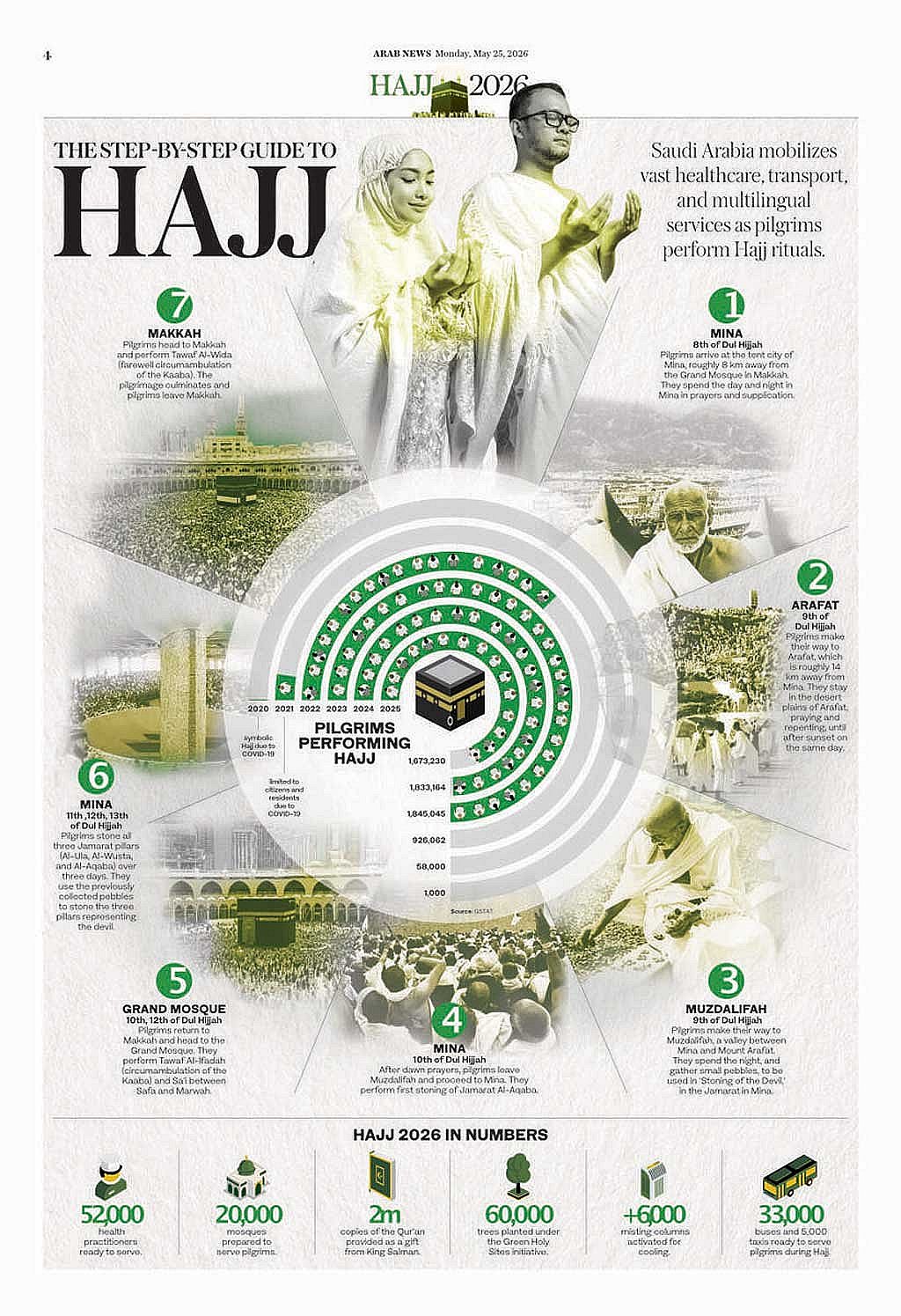
As part of Hajj, pilgrims from different countries stay in Mina, Arafat, and Muzdalifah from the 8th to the 13th of Zilhajj. The journey begins in the tent city of Mina.
After spending the day in Mina, pilgrims gather at the ground of Arafat—about 14km away—after Fajr prayer on Tuesday.
Both “Arafah” and “Arafat” are commonly used Arabic terms. The ground stretches about two miles in length and width and is surrounded by mountains on three sides.
It includes Jabal ar-Rahmah, the “Mount of Mercy,” where a tall pillar stands. Stairs have been built for pilgrims to climb the hill, also known by some as the “Hill of Prayer.”
Arafat is about 15km from Mina. At its edge stands Masjid al-Namirah, which has six minarets, each 60m high. The mosque contains 64 domes and 10 main gates.
Pilgrims attending prayers there perform Zuhr and Asr prayers together at the time of Zuhr with one Adhan and two Iqamahs.
Before the prayer, the Imam delivers the Hajj sermon. The sermon will be translated live into more than 50 languages, including Bengali.
As the sun declines in the west, pilgrims raise their hands toward the Qiblah and make supplications, reciting Allah’s beautiful names, Durood Ibrahim, Talbiyah, Takbir, Dhikr, Istighfar, and personal prayers.
After sunset, they travel about 8km to Muzdalifah, where they perform Maghrib and Isha prayers and spend the night in the open air. They also collect 49 to 70 pebbles for the stoning ritual.
It is said that Prophet Ibrahim (AS) was taking his son Ismail (AS) for sacrifice when Satan tried to mislead him at Jamarat. Ibrahim responded by throwing stones at Satan.
Throwing stones at the three Jamarat while reciting Takbir is an essential part of Hajj and symbolises rejection of evil.
To prevent accidents during the ritual, Saudi Hajj authorities have organized pilgrims into groups with designated schedules.
The Jamarat complex is centrally air-conditioned, maintaining a temperature around 29 degrees Celsius. It is monitored by multiple CCTV cameras and equipped with toilets, food shops, salons, and even a helipad for emergencies.
Pilgrims arriving from different directions are assigned different floors for the stoning ritual. There are 12 entrances and exits, and pilgrims must perform the ritual according to assigned times based on their Moallem numbers.
On Wednesday, after Fajr prayer in Muzdalifah, pilgrims return to Mina by train, car, or on foot.
After stoning the largest Jamarat, pilgrims prepare for animal sacrifice. Most pilgrims perform the sacrifice through the Islamic Development Bank by paying 720 Saudi Riyals, while others arrange it personally or through trusted representatives.
Afterward, pilgrims shave or trim their hair, bathe, and change out of the two-piece Ihram garments into regular clothing. Between the 10th and 13th of Zilhajj, they travel to Masjid al-Haram to perform Tawaf around the Kaaba seven times.
They also perform Sa’i by walking seven times between the hills of Safa and Marwah before returning to Mina.
From the 11th to the 13th of Zilhajj, pilgrims continue stoning the three Jamarat daily.
Finally, after performing the Farewell Tawaf at Masjid al-Haram, they return to their home countries. Those who have not yet visited Madinah travel there afterward.