Published : 12 Sep 2026, 04:33 PM
Updated : 16 Sep 2026, 11:49 AM


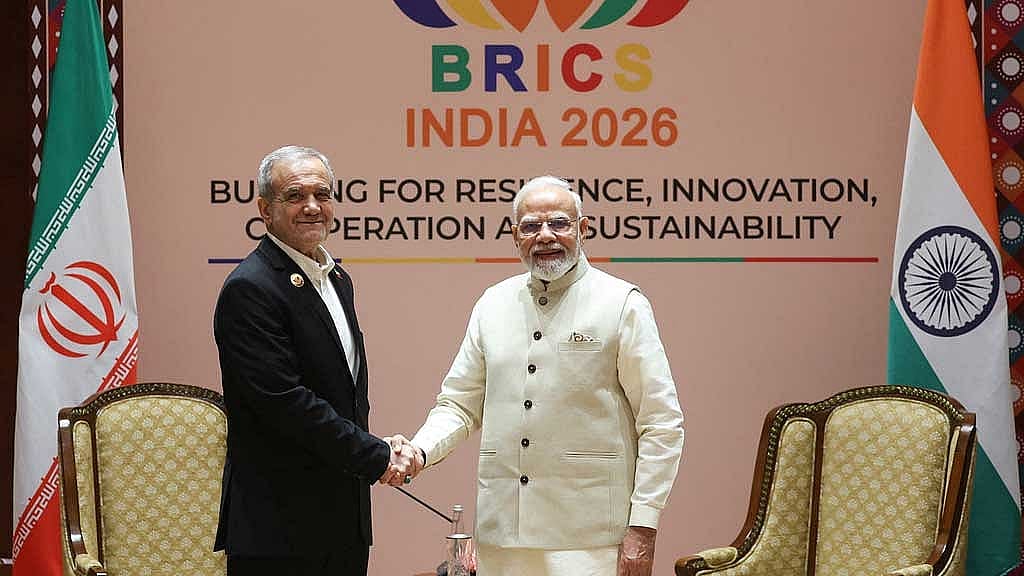
BRICS leaders are preparing to adopt a Delhi declaration covering terrorism, reform of global institutions and stronger multilateralism as negotiators work to bridge divisions over the war in West Asia.
BRICS sherpas have agreed on common language and several broad takeaways expected to feature in the declaration at the Sept 12-13 summit in New Delhi, The Indian Express reports.
But language on the West Asia conflict remains under discussion, with Iran and the United Arab Emirates divided over how it should be framed.
One formulation being explored would condemn violations of territorial integrity and sovereignty without naming any country, according to The Indian Express.
Reuters has described bridging the Iran-UAE divide as a key test for India as summit host.
The UAE suspended all trade and financial transactions with Iran in August after being hit by Iranian missiles during the conflict, Reuters reports.
The disagreement has already complicated efforts by BRICS to speak with one voice.
Differences among members, including between Iran and the UAE over the West Asia conflict, prevented BRICS foreign ministers from issuing a joint statement in May.
Common Ground on Terrorism
Negotiators have made more progress elsewhere.
BRICS countries have agreed on language unequivocally condemning terrorism and committing members to combat it in all its forms and manifestations, according to The Indian Express.
The proposed declaration is also expected to reflect India's "humanity first" theme for its BRICS presidency, with initiatives aimed at groups including women, farmers and entrepreneurs.
Another area of agreement is reform of institutions of global governance.
The grouping is expected to call for stronger multilateralism and changes that give emerging and developing economies greater representation in international institutions.
The Indian Express reports that the declaration is also expected to support India's bid for a permanent seat on the UN Security Council.
These are among about 10 broad takeaways expected in the final document, according to the newspaper.
The Challenge of Consensus
The negotiations highlight the challenge of finding common positions among an expanded BRICS membership with differing strategic and foreign-policy interests.
Those differences are particularly stark over West Asia.
Iran and the UAE are both members, bringing their dispute over the conflict directly into a grouping that operates by consensus.
Reuters reported ahead of the summit that the disagreement was complicating negotiations over the joint declaration.
Congress MP and former UN diplomat Shashi Tharoor has also pointed to the difficulty of finding convergence among BRICS members on major global issues.
He noted that the grouping's foreign ministers had been unable to agree on a joint declaration in May, leaving India as chair to issue its own statement.
If that happened again at the leaders' summit, it could be seen by some as a setback and raise questions about the grouping's coherence, Tharoor told PTI.