Published : 22 Jul 2026, 08:08 AM
Updated : 08 Sep 2026, 09:26 AM


The 2026 FIFA World Cup did more than crown a new champion.
According to FIFA's official technical review, the first 48-team edition rewrote the tournament's record books, with Lionel Messi leading a remarkable wave of historic milestones across North America.
Although Argentina fell 1-0 to Spain after extra time in the final, the 39-year-old captain produced one of the most extraordinary individual campaigns in World Cup history, breaking multiple longstanding records while guiding his side to a second successive final.
Messi emerged from the tournament as the player with the most victories in FIFA World Cup history, taking his tally to 23 and surpassing Germany's Miroslav Klose, who finished with 22.
The left-footed maestro also set another landmark by scoring in nine consecutive World Cup appearances, stretching from Qatar 2022 to the 2026 tournament.
The feat eclipsed the previous record of six successive scoring appearances jointly held by France's Just Fontaine and Brazil's Jairzinho.
His goals against Algeria and Jordan also took his tally of World Cup strikes from outside the penalty area to seven, moving him ahead of Brazilian great Rivellino for the all-time record.
Messi was not the only player to leave a lasting mark on FIFA's statistical archives.
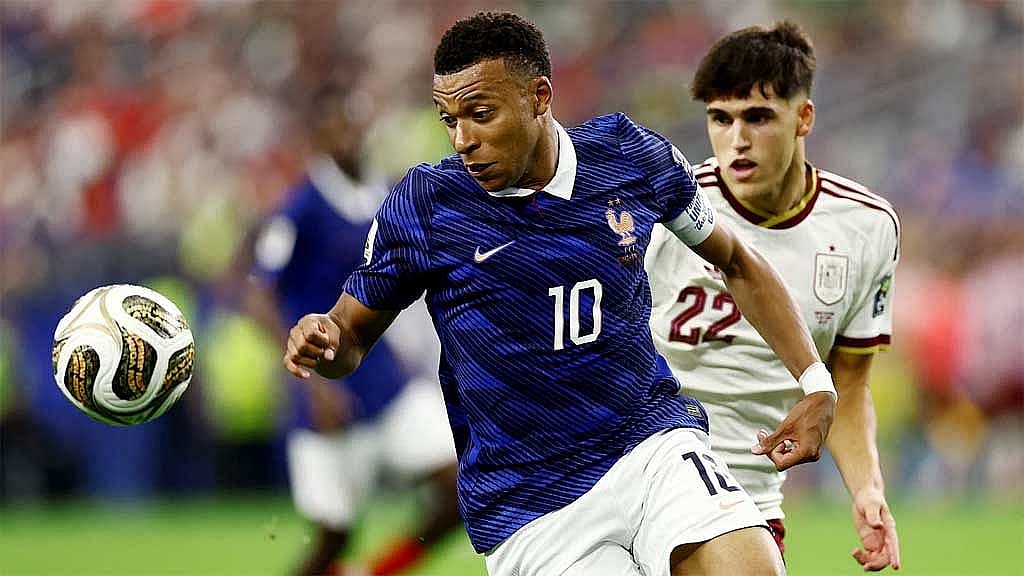
France captain Kylian Mbappe became the leading goalscorer in FIFA World Cup history, overtaking Klose with a career tally of 22 tournament goals.
Portugal's Cristiano Ronaldo added another landmark by becoming the first men's player to score in six different World Cup editions -- 2006, 2010, 2014, 2018, 2022 and 2026 -- achieving the feat at the age of 41.
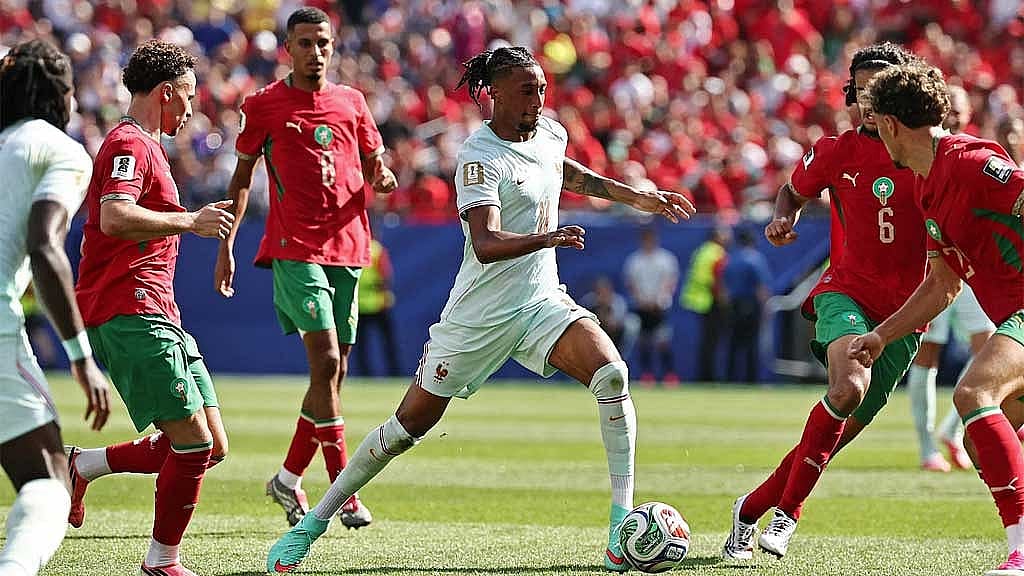
France winger Michael Olise enjoyed one of the finest creative tournaments ever recorded. His seven assists broke Pele's longstanding single-edition record of six, set at the 1970 World Cup in Mexico. Five of those assists were converted by Mbappe, the highest number of goals created by one player for a single teammate in a World Cup.
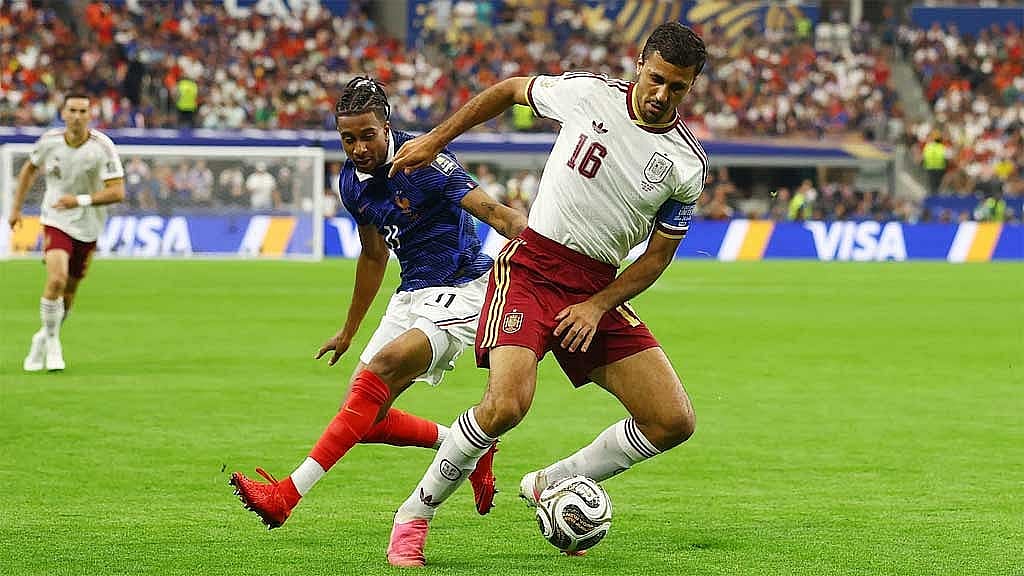
Spain's Rodri also established a new benchmark for midfield control. FIFA's technical review credited him with completing 648 passes during the tournament, surpassing his own World Cup record of 638 set in Qatar four years earlier. Wider match tracking placed his overall pass count at 790.
Spain's defensive unit completed another unprecedented achievement on the way to lifting the trophy. Goalkeeper Unai Simon kept seven clean sheets in eight matches as Spain became the first World Cup-winning team to concede just one goal throughout an entire tournament.
For FIFA, the expanded World Cup across Canada, Mexico and the United States was not only the biggest in history. It also became one of its most statistically remarkable, with a host of records falling across every area of the game.