Published : 31 Aug 2026, 11:59 PM
Updated : 08 Sep 2026, 09:37 AM


Two rounds into the Premier League season, it is far too early for sweeping conclusions. But it is not too early for clues.
Manchester United discovered another dimension to Bruno Fernandes, Chelsea supplied further evidence that life under Xabi Alonso may rarely be dull, and Liverpool offered glimpses of both the promise and the risk in Andoni Iraola’s new approach.
Tottenham’s expensive rebuild, meanwhile, has provided an early reminder that cohesion cannot simply be bought, while promoted Hull City are already challenging assumptions that they are destined for a season-long relegation fight.
Here are five things we learned from the Premier League weekend.
Bruno: From Provider to Predator
Bruno Fernandes spent last season establishing himself as the Premier League’s outstanding creator. Manchester United’s 5-2 win over Ipswich suggested Michael Carrick may now be finding ways to make him considerably more dangerous at the other end of those chances.
Fernandes scored a hat-trick at Old Trafford, only the second of his Premier League career, and then added an assist for Bryan Mbeumo as United responded emphatically to their chastening opening-day defeat at Hull.
The goals themselves mattered, but so did where Fernandes was able to influence the game.
Rather than having to spend much of the afternoon constructing United’s attacks from deeper positions, the captain repeatedly arrived in areas where he could finish them. Reuters described the league’s “assist king” turning from provider into predator.
That matters because Fernandes already demonstrated last season how much damage he can do as a creator. If Carrick can give him greater freedom to attack the penalty area without weakening United’s build-up, opponents may have a different version of the Portuguese midfielder to contend with.
One emphatic afternoon against newly promoted opposition does not prove United have solved their problems. They had fallen behind before recovering, after all.
But after a summer in which so much attention focused on the players around Fernandes, Sunday was a reminder that United may still be able to extract something new from the player who has carried so much of their creative burden.
Chelsea Are Fun Again — Perhaps Too Much Fun
Three competitive games into Xabi Alonso’s tenure, Chelsea look liberated.
They also look rather easy to score against.
Sunday’s 4-3 win over Brighton encapsulated both sides of their early transformation. Chelsea raced into a 3-0 lead inside 32 minutes through Romeo Lavia, Pedro Neto and João Pedro, only for Brighton to drag themselves back into the contest before Cole Palmer restored breathing room.
Even then, Brighton scored again in stoppage time.
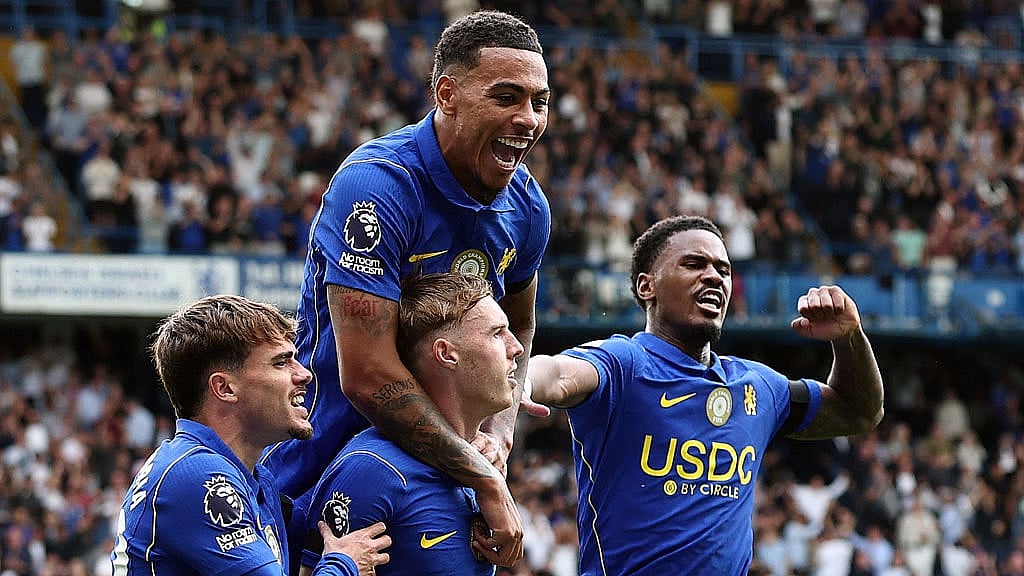
Chelsea have won both of their opening league games under Alonso, but their wait for a Premier League clean sheet has now stretched to 18 matches. Reuters noted that the mood around Stamford Bridge nevertheless feels markedly different after last season’s turmoil, with Chelsea playing with far greater attacking freedom.
That creates the first genuinely interesting question of Alonso’s reign.
Has he simply decided that Chelsea’s best route back towards the top is to overwhelm opponents, accepting a degree of defensive risk along the way? Or are the seven-goal thrillers merely the messy early stage of installing something more controlled?
There is plenty to like. Palmer remains influential, João Pedro has started brightly and Chelsea are carrying threat from several positions.
But stronger sides will not always allow them to turn a 3-0 lead into a shootout and survive.
Alonso appears to have restored the excitement first. The control may take longer.
Liverpool Already Look Like Iraola’s Team — For Better and Worse
Liverpool have yet to win a Premier League game under Andoni Iraola.
Yet it would be wrong to say nothing has changed.
Two successive 2-2 draws have already shown flashes of the high-tempo, front-foot football Iraola was hired to restore at Anfield. They have also demonstrated why installing it may be painful.
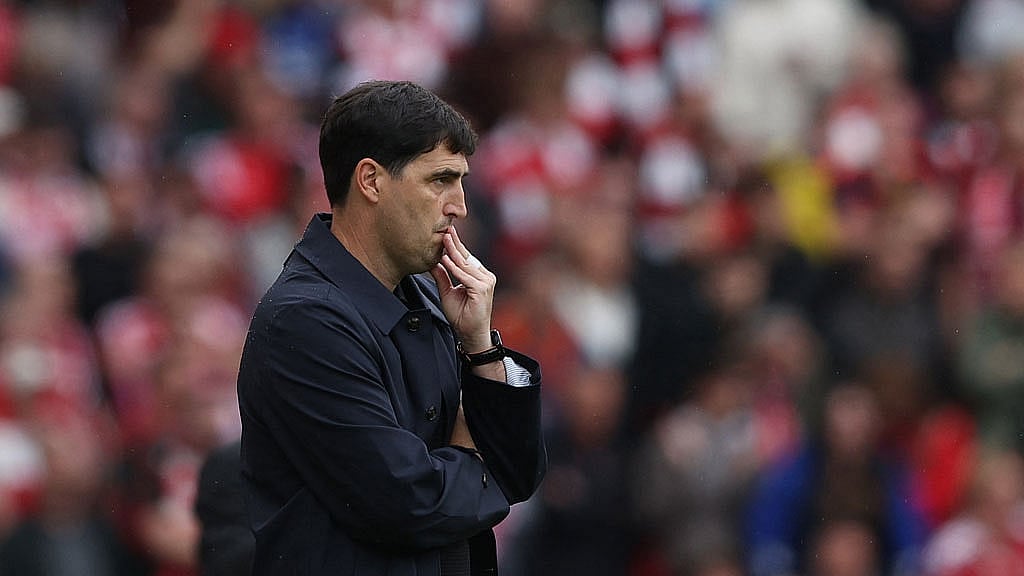
Against Nottingham Forest, Liverpool again started sluggishly and found themselves chasing the game. They improved significantly after the interval, Alexander Isak scored and Victor Muñoz rescued a point with a spectacular late equaliser.
Iraola was encouraged by the response but acknowledged that Liverpool had been too passive early on and lacked the intensity without the ball that his system demands.
That is the central tension.
Iraola wants Liverpool attacking quickly and pressing relentlessly. When it works, the football can look much closer to the aggressive Liverpool supporters remember from Jürgen Klopp’s best teams. When the press is half a second late or the intensity drops, however, space appears and the game can become stretched very quickly.
The squad is not settled either. Liverpool have continued remodelling their attack, with Bradley Barcola expected to arrive from Paris Saint-Germain in a deal worth up to £123 million.
Liverpool therefore look increasingly like an Iraola side.
Whether that becomes a compliment or a warning may depend on how quickly they learn to sustain it for 90 minutes.
Spurs Spent £300m. Building a Team Will Take Longer
Tottenham gave Roberto De Zerbi virtually everything a manager could ask for in the transfer market.
More than £300 million later, they have started the league season with two defeats, no goals scored and five conceded.
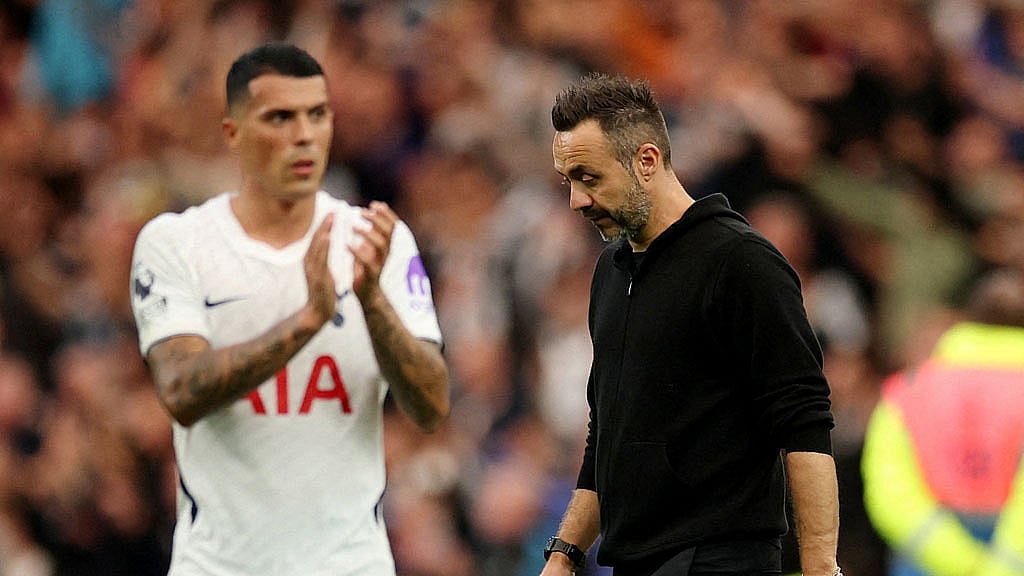
That contrast makes for an easy punchline. The more important point is that Spurs are discovering the difference between assembling talent and building a functioning team.
Saturday’s 2-0 defeat by Newcastle was actually an improvement on the 3-0 opening-day loss at Brentford. Tottenham played with greater purpose for much of the first hour before conceding two poor second-half goals and unravelling.
Alarmingly, Spurs have now lost 21 of their past 39 home league matches.
That is not a problem created by this summer’s signings.
De Zerbi himself supplied perhaps the most useful assessment when he said mentality could not simply be purchased in the transfer market. Tottenham have upgraded substantially, adding players including Savinho and Omar Marmoush during a summer spending spree exceeding £300 million.
But they are also trying to change habits established over two miserable seasons while reshaping the squad around them.
The talent level should eventually tell.
The first two weekends suggest De Zerbi’s bigger task is persuading Spurs that the next setback does not have to become the next collapse.
Hull’s United Upset is Starting to Look Less Like an Upset
Beating Manchester United on opening weekend was the sort of result promoted clubs dream about.
Following it by winning away the next weekend is what made Hull City’s start genuinely interesting.
Hull backed up their 2-0 victory over United by beating Coventry City 1-0 through Liam Millar’s late goal, giving them six points from six and two clean sheets.
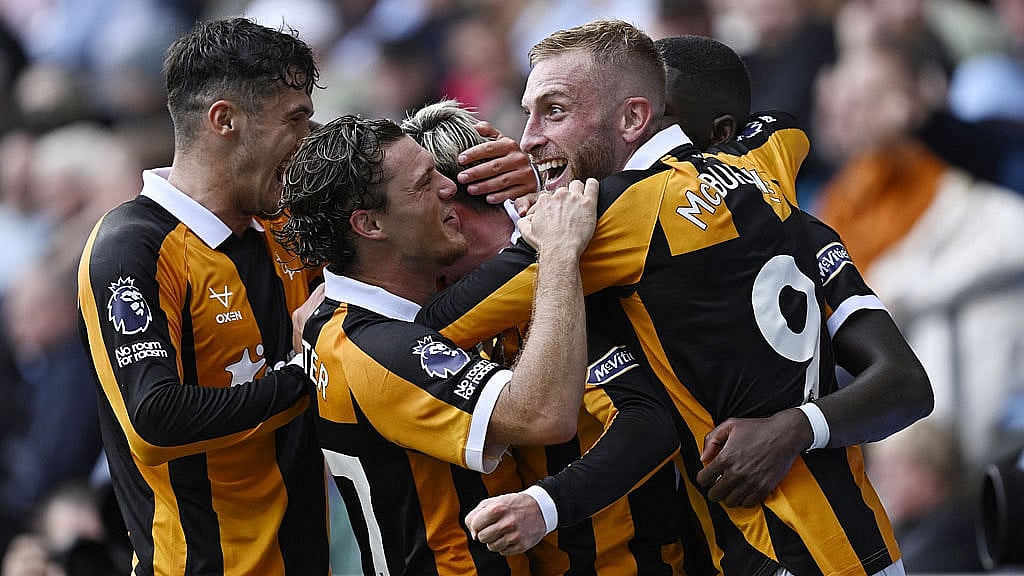
They arrived in the Premier League widely expected to struggle. Two matches do not invalidate those predictions, but the manner of the victories offers a plausible route towards survival.
Against Coventry, Hull were willing to defend, absorb pressure and remain patient rather than attempt to dominate possession merely to prove they belonged at this level.
Striker Oli McBurnie pointed afterwards to their defensive discipline as the key to the result.
There is also useful context to the Coventry victory. This was not simply another emotional afternoon in front of a newly promoted home crowd. Hull went away, kept another clean sheet and found a late winner against the side that finished above them in the Championship last season.
That makes the United result look a little different in retrospect.
Hull are not suddenly safe, nor are two clean sheets enough to prove their approach will withstand a full Premier League season.
But they may already have established the basics that give promoted teams a chance: organisation, patience, resilience and the ability to punish opponents when an opportunity finally arrives.