Published : 12 Sep 2026, 07:24 PM
Updated : 16 Sep 2026, 11:49 AM


The Premier League reaches its fourth round with a few early patterns beginning to harden — and several others about to face their first proper test.
Arsenal have started like champions, Chelsea’s expensive attack is humming, while Tottenham are still waiting for their first league goal. Sunday brings the first Manchester derby of the post-Pep Guardiola era, before Leeds and Newcastle put unbeaten starts on the line on Monday.
Here are five questions ahead of Gameweek 4.
Can Anything Still Knock Arsenal Out of Their Routine?
Mikel Arteta appears increasingly determined to make the unexpected mundane.
Arsenal have deliberately trained for disruption, according to Reuters, altering routines and even simulating inconveniences around matchdays so that transport problems, hostile atmospheres or sudden changes cannot become excuses. It is an extension of Arteta’s famously obsessive attention to detail — and Sunderland provide an appropriate test of it.
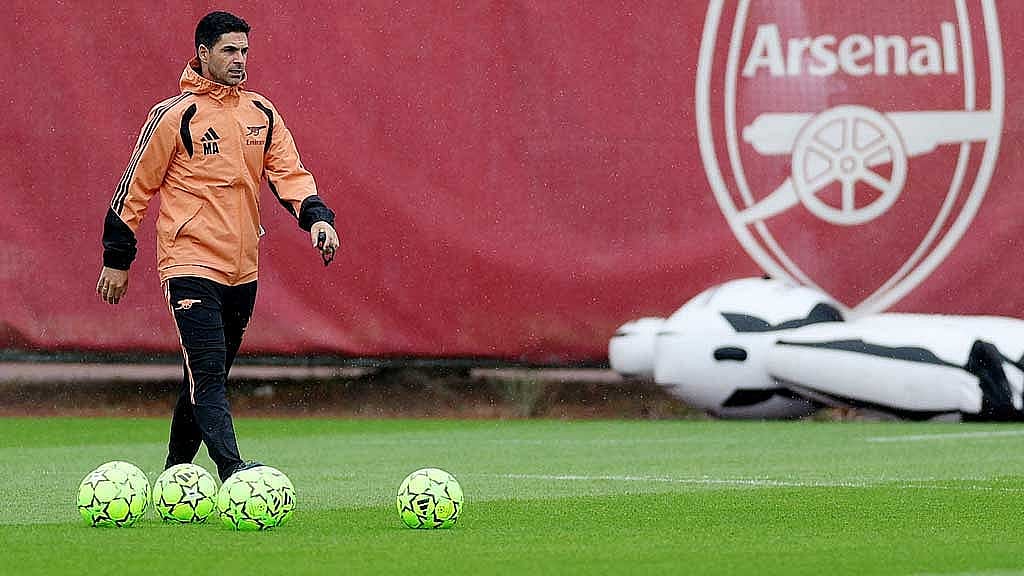
The Stadium of Light was one of the places Arsenal were knocked out of their rhythm last season, when Sunderland scored late to earn a 2-2 draw.
This time the champions arrive having won all three league games and then ground out a Champions League victory at Napoli.
More importantly, those victories have already required different solutions. Arsenal have dominated, protected narrow leads and, against Chelsea last weekend, responded to falling behind after barely a minute by turning up the pressure and eventually controlling the game.
Sunderland’s task, then, may be less about stopping one recognisable Arsenal plan than finding a situation Arteta has not prepared his players for.
A fourth straight league victory would represent Arsenal’s best start since the sides that regularly challenged for titles in the early 2000s. But perhaps the more revealing question is whether opponents can still make them uncomfortable for long enough to matter.
Can Chelsea Turn Attacking Talent into Routine Dominance?
Chelsea have already shown they can threaten almost anybody.
Cole Palmer, João Pedro and Morgan Rogers have combined for 10 Premier League goal contributions through the opening three matches, giving Xabi Alonso an attacking trio loaded with pace, invention and movement. Rogers has also quickly become one of the division’s leading chance-creators.
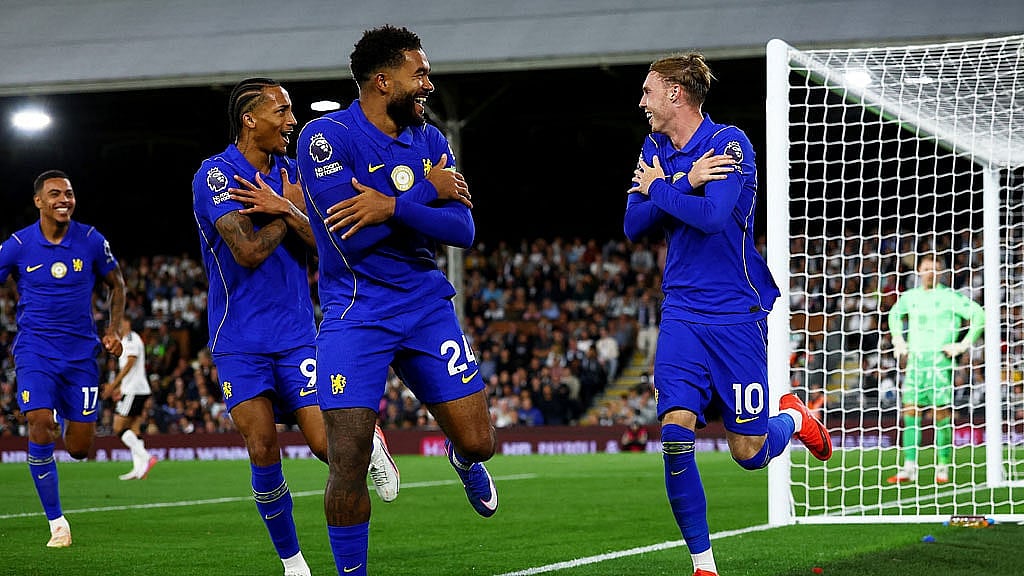
What Chelsea have not yet consistently shown is that they can make favourable fixtures feel routine.
Hull therefore pose a different question to the one Arsenal asked last weekend.
Chelsea were dangerous at the Emirates, particularly in transition, but struggled to apply sustained pressure once Arsenal took control. At Stamford Bridge on Saturday, they are likely to encounter far less open space and far more responsibility to break an opponent down.
Hull have seven points from their opening three matches and are yet to concede a Premier League goal. They have already beaten Manchester United and held Aston Villa, while Chelsea have failed to win any of their last four league matches against promoted opposition.
So the challenge is not whether Chelsea’s attackers can produce spectacular moments.
It is whether Palmer, Rogers and João Pedro can generate enough of them against a team that has every incentive to make the game slow, congested and uncomfortable.
The league’s most exciting early attack now gets a test of patience.
When Does Tottenham’s Bad Start Become a Crisis?
Three games is normally far too soon for crisis talk.
Tottenham’s circumstances make the timetable rather less forgiving.
Spurs have one point, no league goals and failed to register a shot on target in last weekend’s 0-0 draw at Nottingham Forest. Sky says it is the first time they have failed to score in their opening three Premier League matches since 1974.
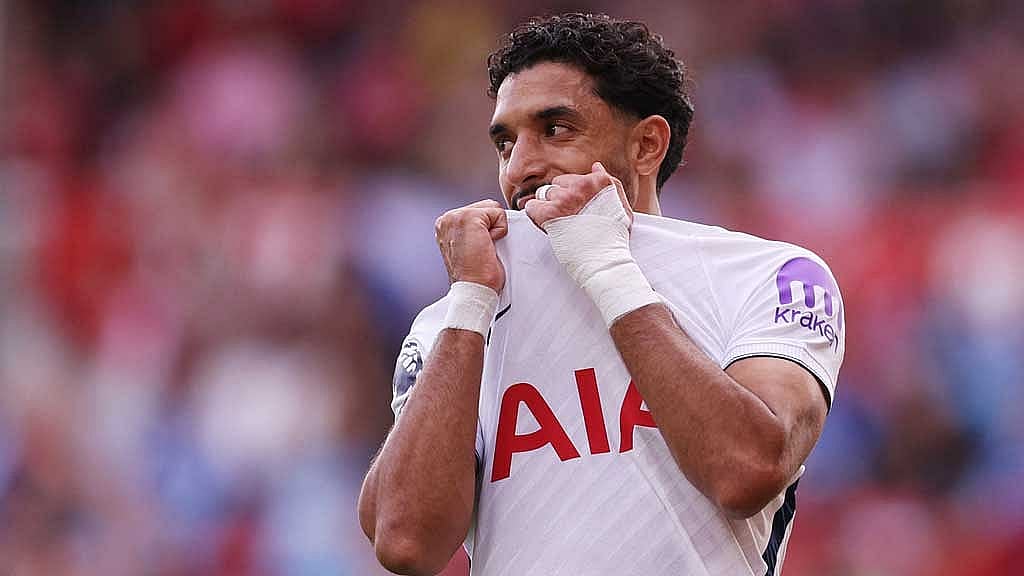
That would be alarming enough without the backdrop of an enormous summer rebuild.
Tottenham spent more than £300 million, yet still failed to land the recognised striker Roberto De Zerbi wanted. Richarlison was left out of the league squad, while Omar Marmoush and Savinho have yet to provide the cutting edge supporters expected from such heavy investment.
Mykhailo Mudryk’s ankle injury this week removes another attacking option.
Everton’s arrival therefore feels awkwardly well timed.
David Moyes’ side have taken only seven of the last 51 league points available to them away at Tottenham, making this exactly the sort of home fixture Spurs would normally expect to win.
A goal and a convincing victory could make much of the early anxiety disappear.
Another blank would change the temperature considerably.
Tottenham’s investment has shortened De Zerbi’s grace period. Nobody should be judged after four matches, but spending at that scale inevitably changes what counts as an acceptable bedding-in period.
Which Manchester Rebuild is Further Ahead?
Sunday’s derby offers the first direct comparison between two clubs trying to redefine themselves at the same time.
City could hardly have started better under Enzo Maresca. They have won all three Premier League matches and followed that with a 2-0 Champions League victory at Porto, where Erling Haaland scored twice and the hosts failed to register a shot.
United have been far less consistent.
Michael Carrick’s side have one league win from three, although Thursday’s 4-0 Champions League victory over Sabah provided a reminder of what their new manager is trying to build. Carrick returned permanently after winning 12 of 17 league matches during his interim spell last season.
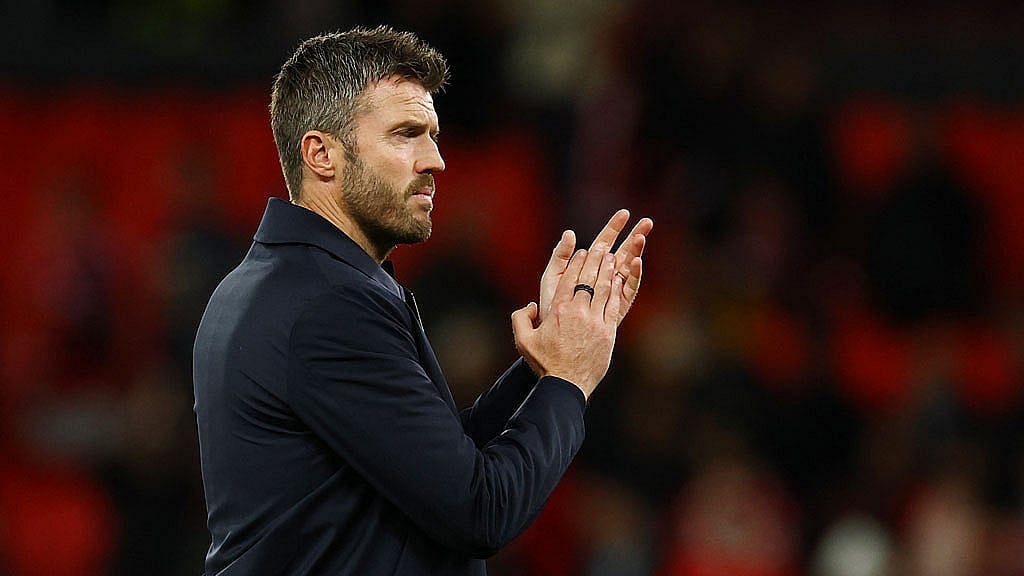
The midfield battle may tell us most.
City have spent heavily assembling a post-Rodri solution rather than replacing him with one player, while Carrick has increasingly trusted Kobbie Mainoo and Youri Tielemans to give United greater technical control.
United also have a fresh weapon in Benjamin Sesko, who has scored in consecutive appearances since returning from a shin injury. Carrick has specifically praised his speed and ability to threaten the space behind a defensive line — qualities that could matter against City’s aggressive positioning.
The temptation will be to ask who owns Manchester.
The more useful early-season question is simpler: which rebuild currently looks better equipped for elite opposition?
Are Leeds and Newcastle Ready to Gatecrash the European Race?
Monday night brings together two of the quieter success stories of the opening weeks.
Leeds can go unbeaten through their first four Premier League matches for the first time since 2001-02 — an era when both they and Newcastle were regular European contenders. It has been 24 years since the clubs were simultaneously competing in Europe.
That history makes the early signs intriguing.
Leeds have looked settled under Daniel Farke, building on an established structure rather than attempting another wholesale rebuild.
Newcastle have taken the opposite route.
They lost major players during the summer, changed manager and started another cycle under Matthias Jaissle, yet remain unbeaten. Just as importantly, Newcastle have no European football this season, leaving them with free midweeks that could become a significant advantage if a top-seven race develops.
There is even a neat subplot in goal.
Leeds goalkeeper James Trafford was pursued repeatedly by Newcastle before moving to Elland Road, while Jaissle has praised Lukas Hornicek — the man Newcastle eventually signed — for the calmness he has brought to their defence.
Nobody needs to declare either side a European certainty after three games.
But an unbeaten four-game start would begin to make the idea considerably less fanciful.
For two clubs whose recent seasons have travelled in very different directions, Monday may provide an early indication of how high they should be looking.