Published : 22 Jul 2026, 07:45 AM
Updated : 09 Sep 2026, 11:16 AM


Grassroots Battleground
No banners, high stakes: Non-partisan ballots return as parties mobilise for a crucial post-election battle
BNP pushes early vote: Ruling party aims to curb internal rivalries before MP nominations spark strife
Rivals move and Awami League question: Opposition races to field candidates while debate grows over independent Awami League run
Before party banners rise for the next parliamentary battle, Bangladesh is heading into a different contest -- one fought in village markets, municipal wards and Upazila headquarters.
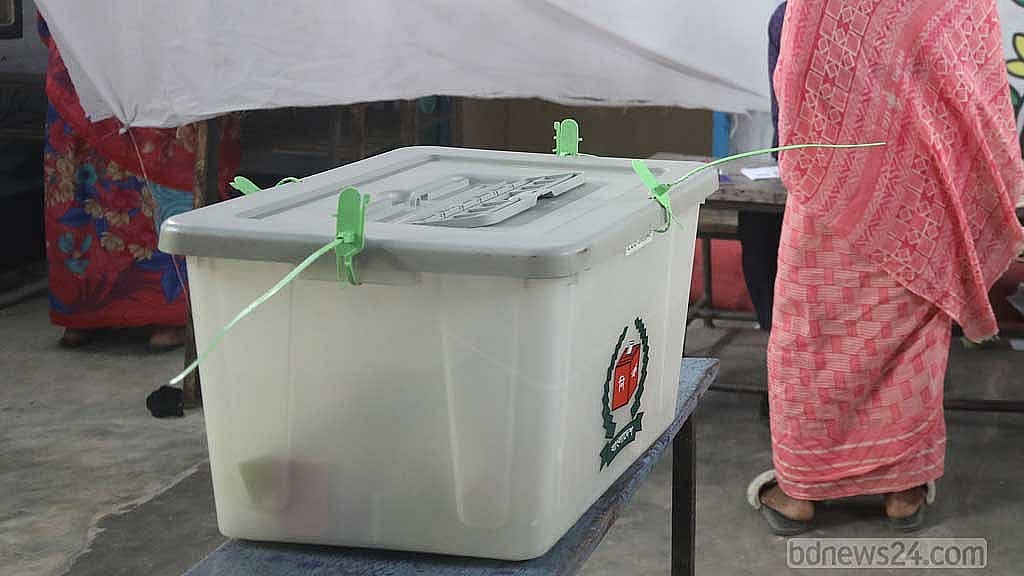
Local government elections, expected to begin in phases from October, will be held without party symbols for the first time in years. Yet behind the formally non-partisan ballot, every major political force is already moving to identify candidates, test local strength and build alliances for a campaign that many insiders see as the first real measure of the country's post-election political order.
For the ruling BNP, which returned to power after nearly two decades and won the parliamentary election by a large margin in February, the stakes are unusually high.
The party is debating whether the local polls should be held quickly, before parliamentary nomination battles deepen internal rivalries and before public perceptions of its newly elected MPs become more entrenched.
At the same time, Jamaat-e-Islami and the National Citizen Party (NCP) are quietly finalising their own candidate lists, while questions persist over whether individuals associated with the Awami League -- whose organisational activities remain banned -- will be able to contest as independents.
Across the country there are 4,581 Union Parishads, 495 Upazila Parishads, 330 municipalities, 13 city corporations and 61 Zilla Parishads.
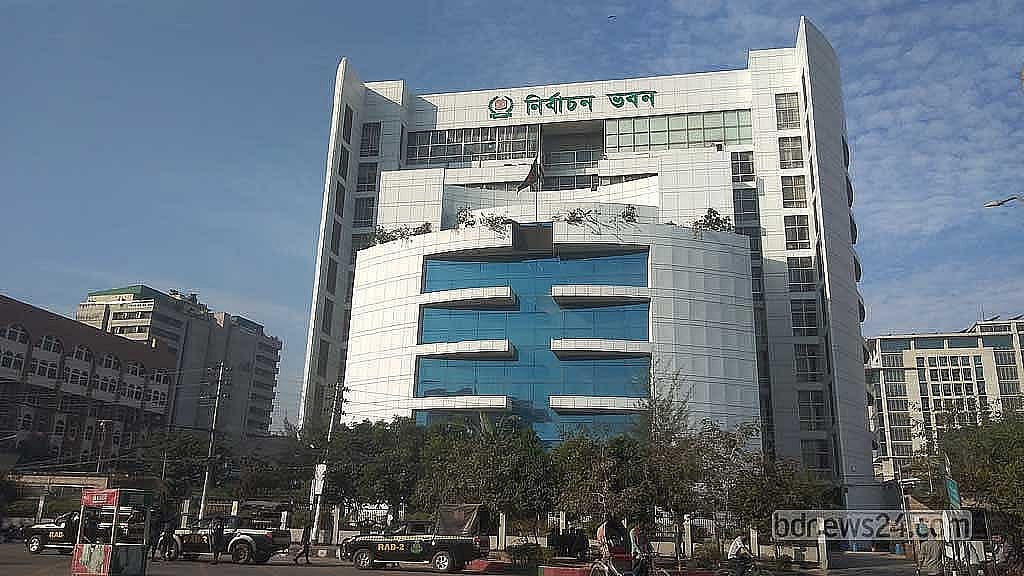
The Election Commission is now working on ward and boundary adjustments ahead of the vote.
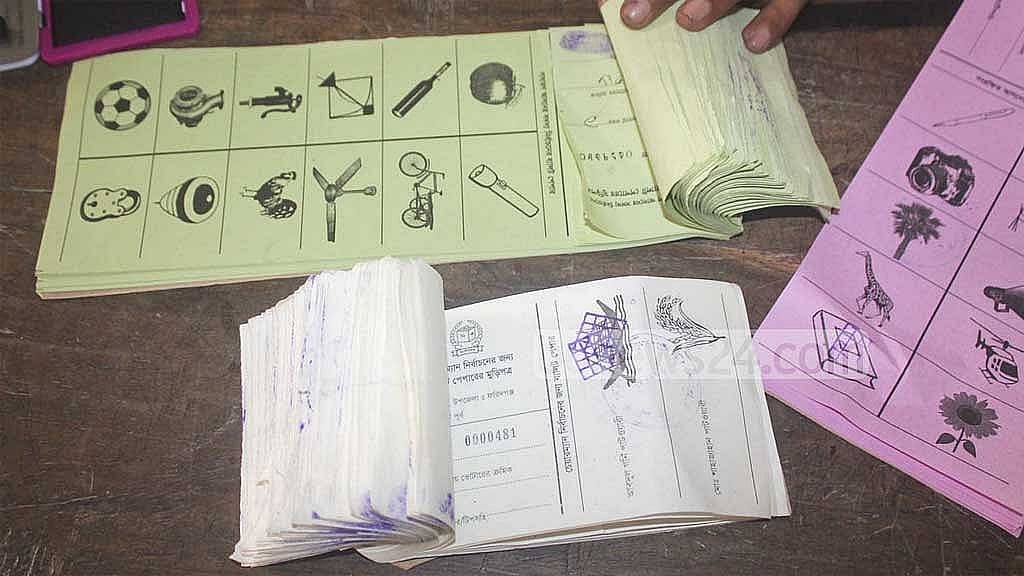
After the fall of the Awami League government during the mass uprising, the interim administration led by Muhammad Yunus amended local government laws through an ordinance in August last year.
Parliament later passed legislation to formalise the change, ending the system introduced in 2015 that had brought party symbols into city corporation, municipality, Upazila and Union Parishad elections.
Political analyst Zobaida Nasreen said the removal of party symbols alone would not remove party influence.
"Party-centred influence has always existed," said the Dhaka University anthropologist. "The Election Commission must ensure that this influence does not translate into domination by the ruling party."
A Test for BNP
Senior BNP leaders increasingly describe the local polls as the government's first major political examination.
Conversations with leaders across several districts suggest that the absence of party symbols is encouraging a surge of grassroots aspirants. The result, many fear, could be multiple BNP-backed candidates in the same constituency.
Party insiders say rival camps have already emerged: MPs and their supporters on one side, and leaders who were denied parliamentary nominations on the other.
Leaders in Habiganj, Lakshmipur and Sirajganj spoke of MPs building local power networks that could shape candidate selection.
Lakshmipur-1 MP Shahadat Hossain Selim said the party had not yet issued formal instructions on local elections.
"We are bound by party discipline," he said. "When the party sets the criteria, we will nominate candidates accordingly. Although these polls are called non-partisan, they are effectively political contests. Our message is that candidates must be capable of winning and must go to the people."
BNP Secretary General Mirza Fakhrul Islam Alamgir rejected the assumption that internal competition would inevitably lead to violence.
"We must think about these issues," he told bdnews24.com. "But why assume in advance that there will be conflict?"
Several members of the party's Standing Committee said there was no guarantee that candidates backed by the ruling party would automatically dominate local contests. They argued that the public image already formed by BNP leaders and activists across the country could significantly influence the outcome.
According to party insiders, a Standing Committee meeting on Jul 11 concluded that an early local election would be politically advantageous.
Some leaders also discussed concerns that delaying the polls could allow opposition narratives -- including former prime minister Sheikh Hasina's stated intention to return to Bangladesh in December -- to gather momentum.
One Standing Committee member drew a broader lesson from abroad.
"The Labour Party in the United Kingdom came to power after almost 15 years and nearly lost local elections within two years," the leader said.
"We must pay attention to that. If the government wants to remain politically strong, it must ensure that party-supported candidates also win at the local level."
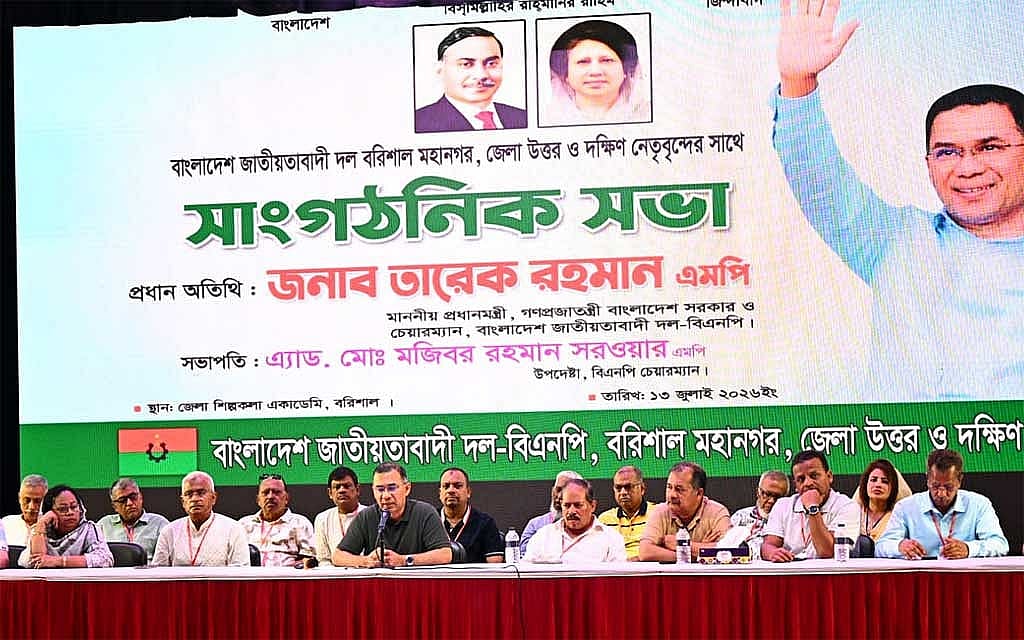
Party Chairman and Prime Minister Tarique Rahman has already warned the organisation against infighting.
"Just as everyone united to bring the party to victory in the last election, everyone must remain united to win the upcoming local government elections as well," he told a party meeting in Barishal on Jul 13.
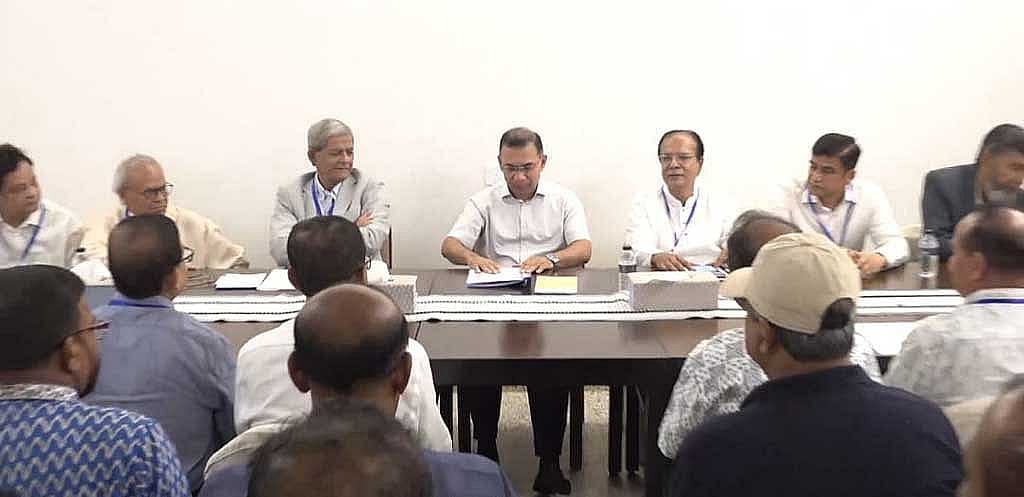
In a subsequent meeting with district leaders from Rangpur Division, senior BNP figures discussed coordinating candidate selection with local MPs and, where possible, agreeing on a single candidate.
Jamaat, NCP and Others Move Early
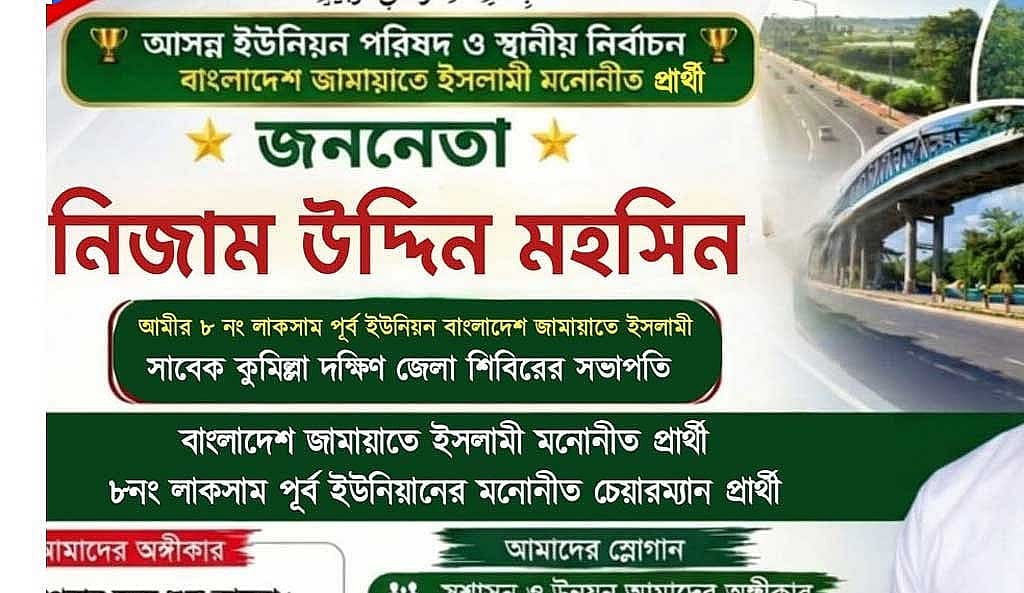
Jamaat-e-Islami has instructed its organisational network to begin election preparations nationwide. Local leaders are verifying voter lists, reaching out to new voters and focusing particularly on women and younger voters.
Potential candidates have already begun grassroots campaigns in many areas.
Assistant Secretary General Ahsanul Mahboob Zubair said Jamaat would contest independently rather than through the broader opposition alliance.
"There is no alliance arrangement here," he said. "Each party is selecting its own candidates."
He added that Jamaat expected the government to deliver a fair election and warned against discrimination or partisan manipulation.
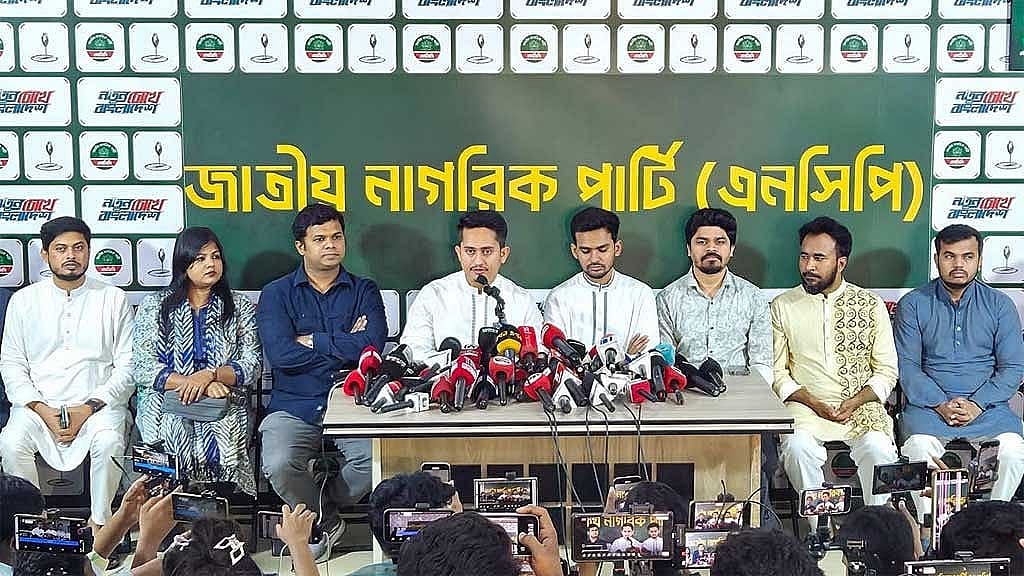
The NCP, too, plans to go it alone. Party leaders said candidates had already been announced in around 100 municipalities and Upazilas, with another 100 names finalised.
The party expects to field candidates in at least 400 municipalities and Upazilas combined.
Political Council member Akram Hossain said NCP-backed candidates would contest in Union Parishad elections across the country and that the party was using its ongoing nationwide march programme to introduce prospective candidates to voters.
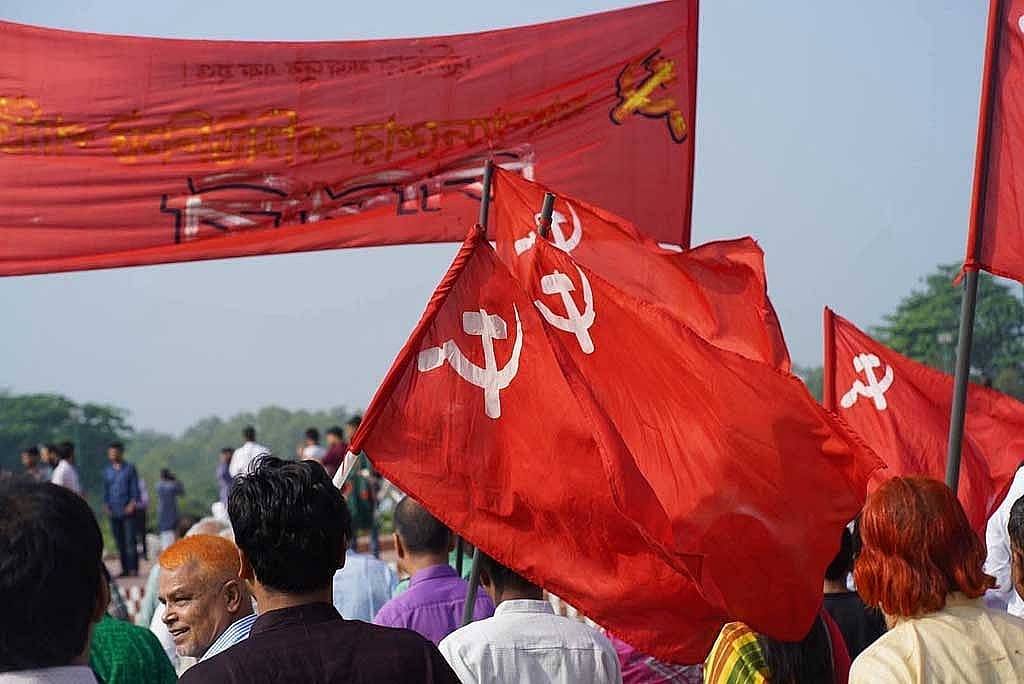
Left-wing parties, including the Communist Party of Bangladesh and the Socialist Party (BaSaD), have also instructed grassroots leaders to prepare.
CPB Presidium member Ruhin Hossain Prince said his party would definitely participate once the election schedule was announced, while urging the Election Commission to curb money power and muscle power.
The Awami League Question
The most sensitive question remains whether leaders associated with the Awami League can contest.
On Jun 9, Information Advisor Zahed Ur Rahman said that because the elections are non-partisan, any individual who meets the legal criteria may run, including someone associated with the Awami League, provided they do not campaign under the party banner or use its organisational structure.
"There is no problem," he said. "If a person fulfils the criteria to contest, he or she can run. The government has no reason to stop that."
Jamaat has reportedly proposed that leaders and active workers of banned organisations be declared ineligible for local elections, a suggestion that has intensified the debate.
Meanwhile, Hasina, living in exile in India while facing a death sentence in a crimes against humanity case, told Reuters on Jul 9 that she intended to return to Bangladesh with party leaders and surrender before the courts.
Awami League ally Workers Party has already decided in principle to participate. Acting General Secretary Nur Ahmed Bokul said party-backed candidates were preparing across the country.
Jatiya Party Still Undecided
The Jatiya Party, led by GM Quader, has yet to decide whether to contest.
"We have not taken a decision yet," Quader told bdnews24.com. "We do not have confidence in the current Election Commission."
Party leaders say they will assess the electoral environment before making a final call.
For now, the formal ballot may be non-partisan. The campaign, however, has already become unmistakably political.
And long before Bangladesh votes again for Parliament, its parties will first have to prove themselves ward by ward, union by union and Upazila by Upazila.