Published : 05 Aug 2026, 06:46 AM
Updated : 08 Sep 2026, 09:30 AM


Fractured Promises, Deepening Divide
Consensus under pressure: Cracks widen as the ruling party pursues constitutional edits over deeper systemic overhaul
Street threats loom: Opposition alliances demand full structural reform and warn of returning to street protests
Power and accountability: Excluding major political forces risks new polarisation and threatens lasting democratic gains.
Two years after the July Uprising, the consensus built around the July Charter is fraying over how far the state should be transformed.
The BNP government is moving cautiously towards constitutional amendments, while opposition parties led by Jamaat-e-Islami are warning that they will take their demands back to the streets.

The question is no longer simply what the July Uprising changed, but whether its promise of a transformed state can withstand the political battles over how that transformation should happen.
The government says a special parliamentary committee will deliver the 18th constitutional amendment needed to implement the July Charter. But it has offered no clear roadmap for when that process will be completed.
At its first meeting on Tuesday, committee Chairman Salahuddin Ahmed said the amendments would be pursued through consensus.
Political analyst Ali Riaz, however, says reform must go much deeper.
“Reform is not merely changing some articles; structural reform has to be carried out.”

Consensus Begins to Crack
The interim government formed after Hasina’s fall launched a sweeping reform drive, establishing commissions on elections, the judiciary, public administration, police, corruption and the Constitution.
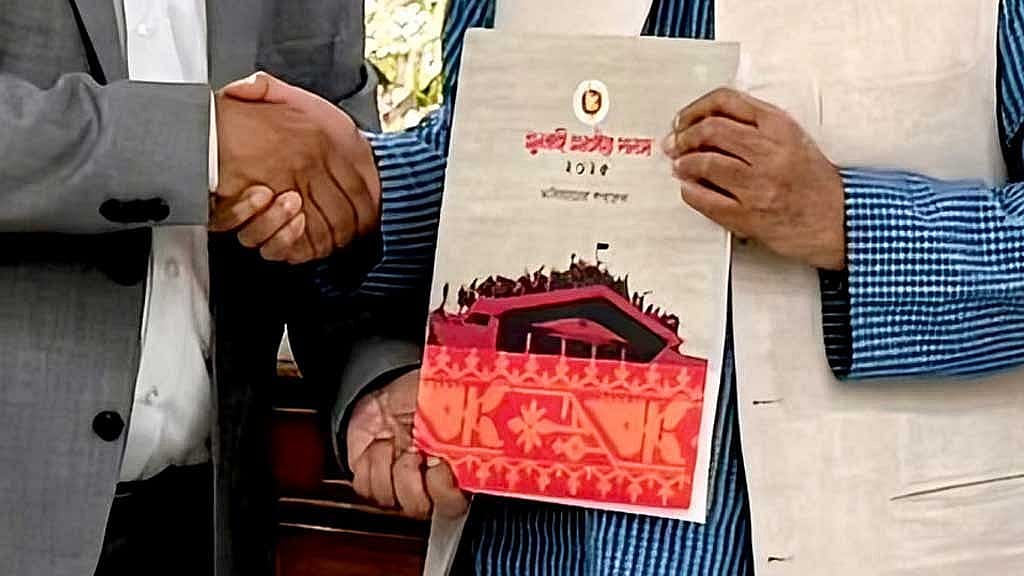
A National Consensus Commission, led by then chief advisor Muhammad Yunus with Riaz as vice-chairman, later held 72 meetings with 33 political parties and produced the July National Charter 2025, incorporating 86 recommendations with areas of agreement and dissent.
But divisions emerged among the BNP, Jamaat and the National Citizen Party (NCP), which grew out of the student movement.
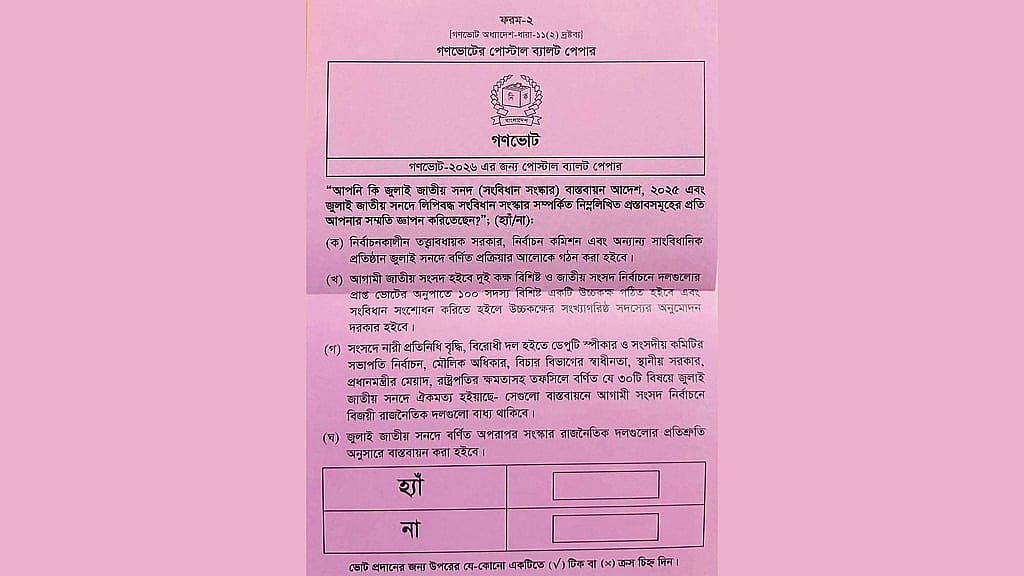
Jamaat and its allies pushed for proportional representation and a stronger second chamber, while the BNP rejected scrapping the Constitution and insisted on amendments through an elected parliament.
The parties nevertheless agreed on several issues, including punishment for corruption, enforced disappearances and the July killings; balancing presidential and prime ministerial powers; amending Article 70; limiting a person to two consecutive terms as prime minister; establishing a bicameral parliament; and ensuring judicial independence.
Yet disagreements over the referendum, the Charter and constitutional change eventually pushed the July alliance into two camps.
Opposition Threatens the Streets
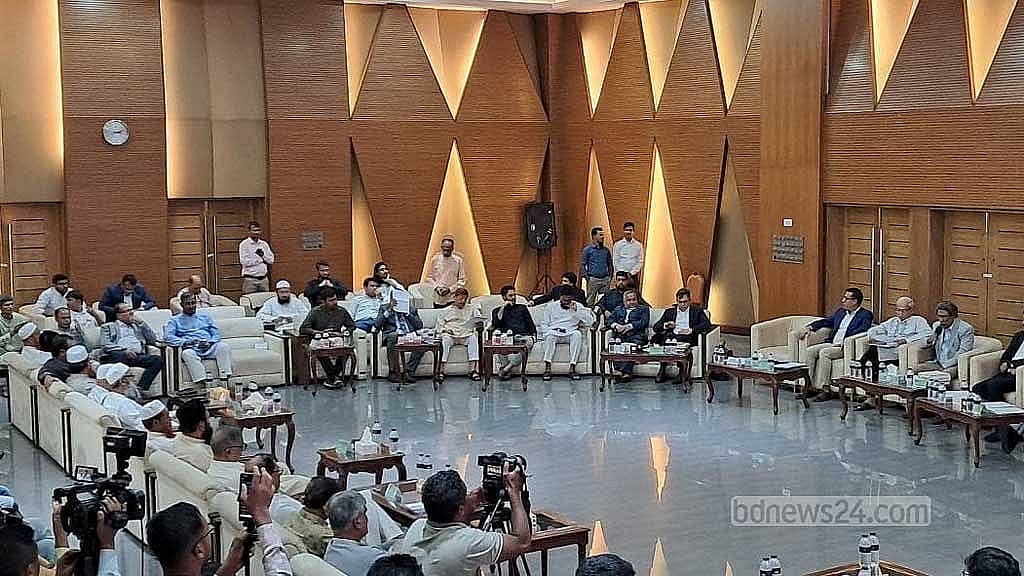
The government’s decision to form a 12-member constitutional amendment committee without opposition participation has widened the divide.
Jamaat, NCP and Bangladesh Khelafat Majlis refused to nominate representatives, arguing that constitutional amendment falls short of the structural reform promised by the student-led mass uprising.
Jamaat leader Hamidur Rahman Azad said, “This amendment will put [the reforms] at risk; it will not stand in court. Later, another party will come to power and repeal it.”
NCP Chief Coordinator Nasiruddin Patwary said, “We did not seek amendment; we sought reform. We wanted systemic change.”
Bangladesh Khelafat Majlis chief Mamunul Haque, a leader of the Jamaat-led alliance, called the government’s approach “politically deceptive”.
The 11-party opposition alliance has already staged protests over the repeal of several interim-government ordinances, including one related to the referendum.
Alliance leaders say they intend to keep up pressure, though they acknowledge that turning the issue into a mass movement will take time.
“The July Charter has no scope for compromise,” Mamunul said. “We are collectively in favour of the July Charter, and there is no scope to retreat from this.”
Patwary was more blunt: “Since there has been no solution in parliament, the solution will come from the streets. The opposition is already on the streets.”
Can the Government Hold the Line?
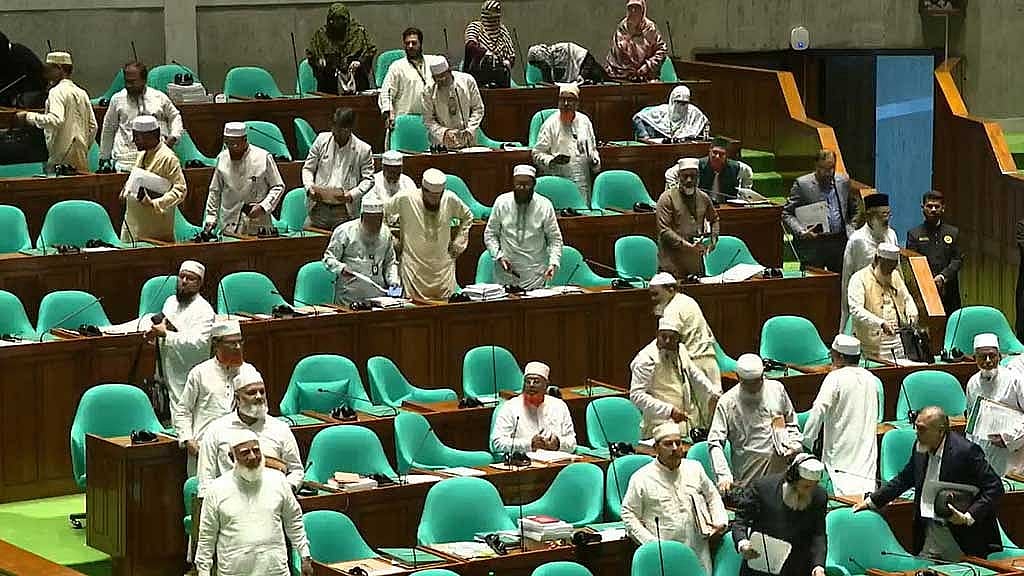
The BNP, too, says it will remain active on the streets, but party leaders acknowledge there is no fixed timetable for implementing the Charter.
One senior BNP organiser said the party could take a decisive position by December, while maintaining regular programmes before then.
Riaz warns that the stakes are larger than individual constitutional provisions.
“Bangladesh’s people, through their movement and through the referendum, wanted reform of the state system,” he said. “Reform is not merely changing some articles; structural reform has to be carried out.”
He said the goal was to redistribute power, establish checks and balances among state institutions and create accountability.
Political analyst Khalidur Rahman says excluding broad political participation could push the debate into the streets.
“If the government shows due respect for dialogue, parliamentary debate and public opinion, differences can turn into political consensus rather than conflict,” he said.
But if any side chooses deadlock or unilateralism over national consensus, “the risk of a new political polarisation will naturally emerge”.
Analyst Prof Zobaida Nasreen of Dhaka University similarly warned that implementing the Charter while excluding a major political force could trigger a backlash.
The ultimate test, then, is whether the unity forged in the streets can survive the politics of power -- and whether July’s promise of a more accountable state can become something more enduring than another constitutional bargain.