Published : 17 Aug 2026, 11:35 AM
Updated : 08 Sep 2026, 09:33 AM


Calm After the Storm, Tests Remain
Political stability restored: Election ends interim turmoil, though governance and civil service friction persist
Energy shortages bite: Geopolitical shocks and terminal failures disrupt power and industry, testing early official promises
Economic recovery: Reserves rise and inflation eases, but high living costs continue to squeeze households
Campus tensions persist: Chhatra Dal-Shibir clashes test the government’s pledge of campus stability
Six months into its term, the BNP government is at a point where early gains and unfinished promises are beginning to come into sharper view.
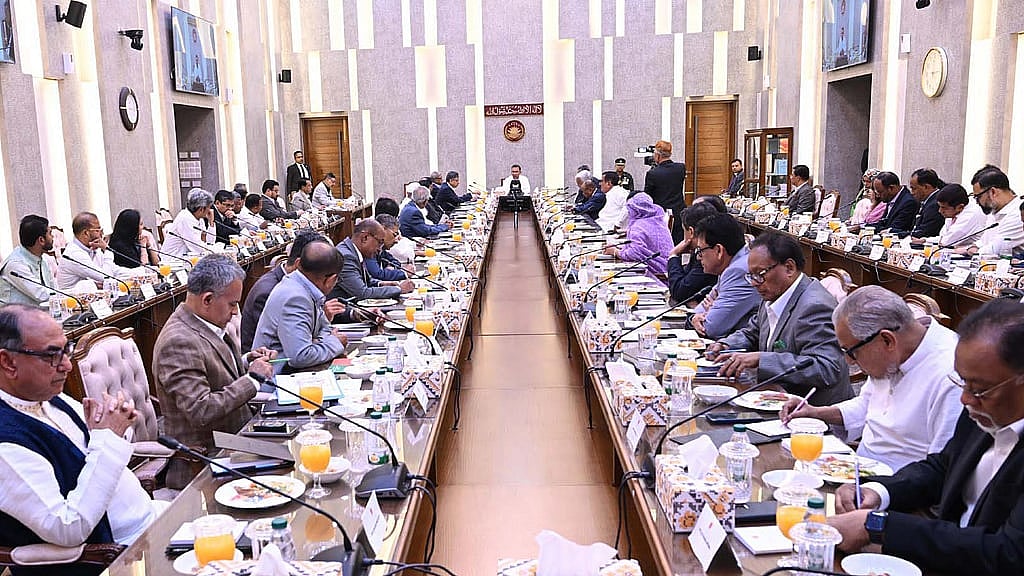
Led by Prime Minister Tarique Rahman, the government came to power after the 2024 student-led uprising with a pledge to reset the country’s course. It has since advanced several flagship initiatives, while the first half-year has also exposed the scale of the challenges it inherited.
For political analysts, the clearest gain has been the return of a more stable political environment after the turbulence of the interim government.
But the economic repair will take longer. Former Bangladesh Bank chief economist Mustafa K Mujeri said six months was simply not enough to fix the “fragile economy” the government inherited.
Still, he said the government would need to show greater ingenuity in dealing with the continuing energy crisis.
After the Awami League’s 15-year rule ended in the July Uprising, Muhammad Yunus’s interim administration prioritised state reforms, justice and elections.
Yet “mob violence”, attacks on shrines, vandalism and the demolition of Bangabandhu’s home at Dhanmondi 32, alongside uncertainty over the election timetable, fuelled frustration.
The BNP’s decisive victory in the Feb 12 parliamentary election brought that political uncertainty to an end.
Energy Crunch Tests the Government
The new government was sworn in on Feb 17 and set a 180-day priority plan.
In his first address to the nation the following day, Tarique said: “Every constitutional and public and private institution in the country will operate according to statutory policies and rules. Not partisan or political influence, power or coercion, but the rule of law will be the final word in running the state.”
The priorities included controlling prices, improving law and order, ensuring electricity and fuel supplies, fighting corruption, restoring stability in educational institutions, building a service-oriented administration and reviving business.
But energy has emerged as an immediate weakness.
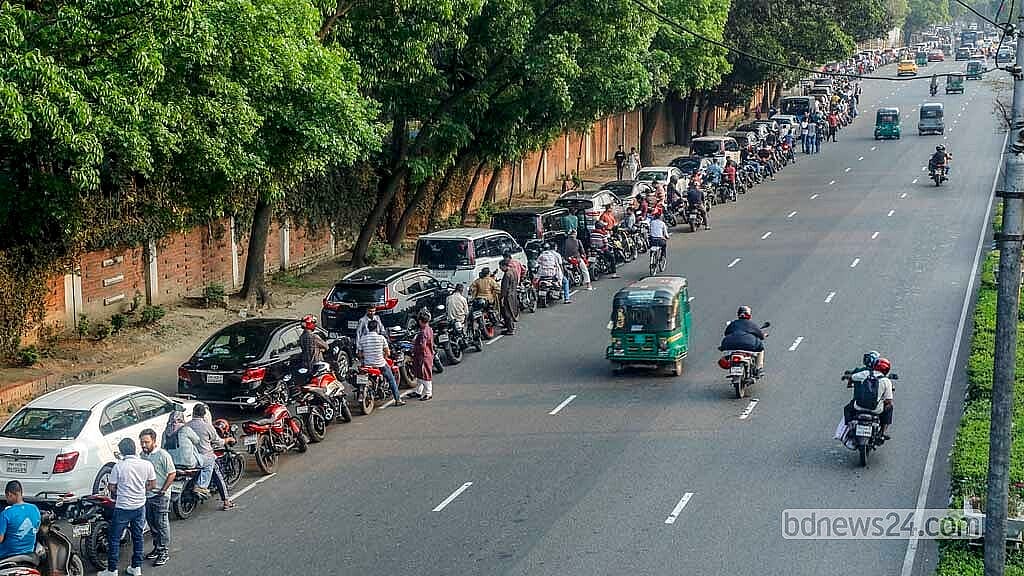
The government managed to keep electricity supplies stable during Ramadan, but fuel shortages intensified after the US-Israeli attack on Iran on Feb 28. Fuel prices were raised in April to ease the crisis.
Then gas and power shortages returned. A floating LNG terminal in Moheshkhali failed, cutting 450 million cubic feet of gas from the national grid.
Although it was partly restored, further problems at Summit’s LNG terminal prolonged the shortfall, disrupting industry and causing load-shedding.
Energy Minister Iqbal Hassan Mahmood Tuku said, “We are not responsible for the current crisis. We are looking for ways to resolve it quickly.”
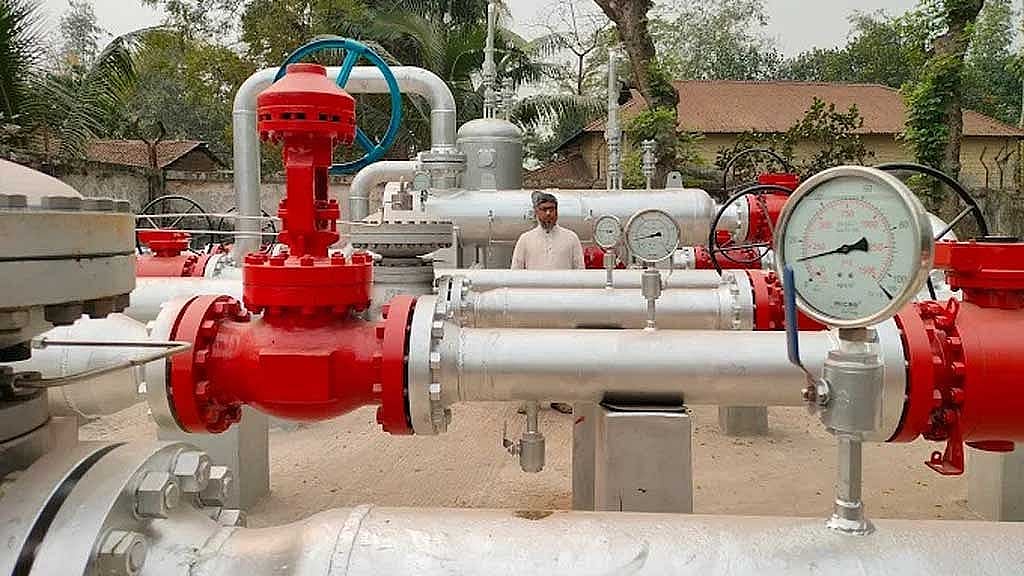
Tarique has promised the gas shortage will ease substantially within days and apologised for the public suffering.
Mujeri said geopolitical shocks were now affecting Bangladesh.
“When there is an energy crisis, investment will not increase in any way. That is reality,” he said. “The government’s job is to arrange alternatives as quickly as possible.”
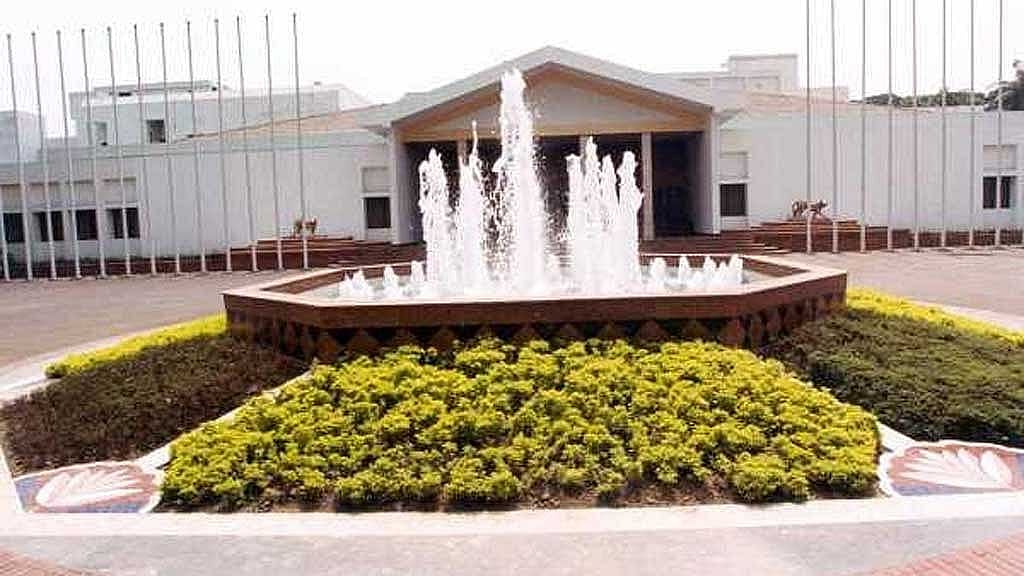
Inflation and Governance Under Pressure
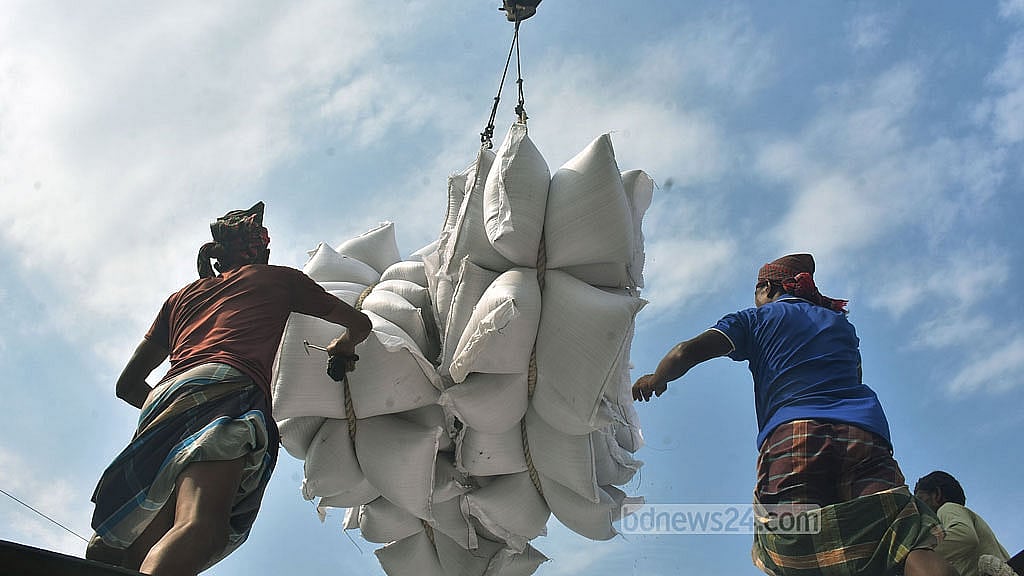
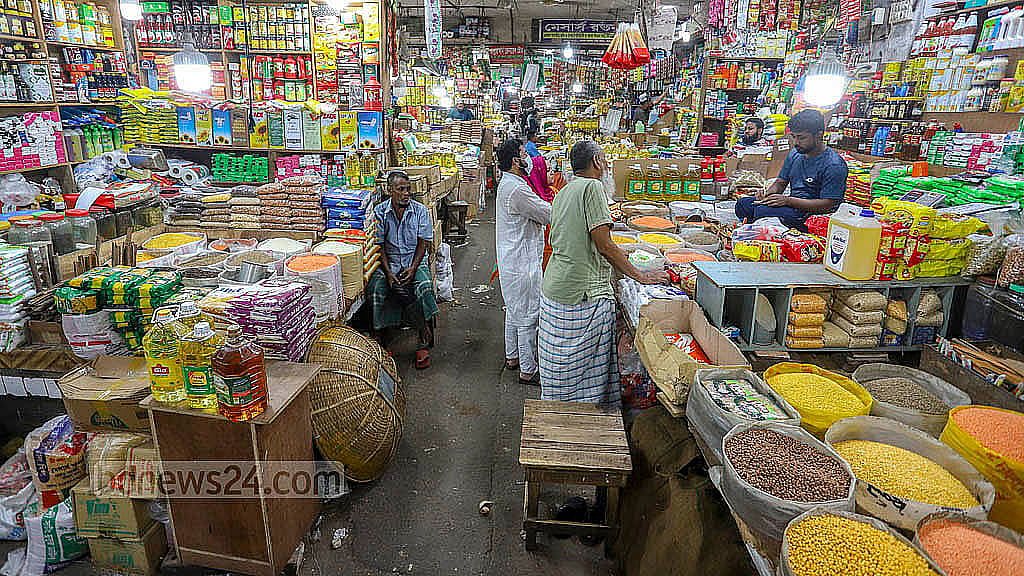
Inflation remains another major burden. The government has set a target of keeping average inflation at 7.5 percent in 2026-27. Point-to-point inflation fell to 8.32 percent in July, its lowest in eight months, but consumers have yet to feel substantial relief.
Tea seller Ashik Hasan in Dhaka said stability had returned, but “ordinary people are under financial pressure”.
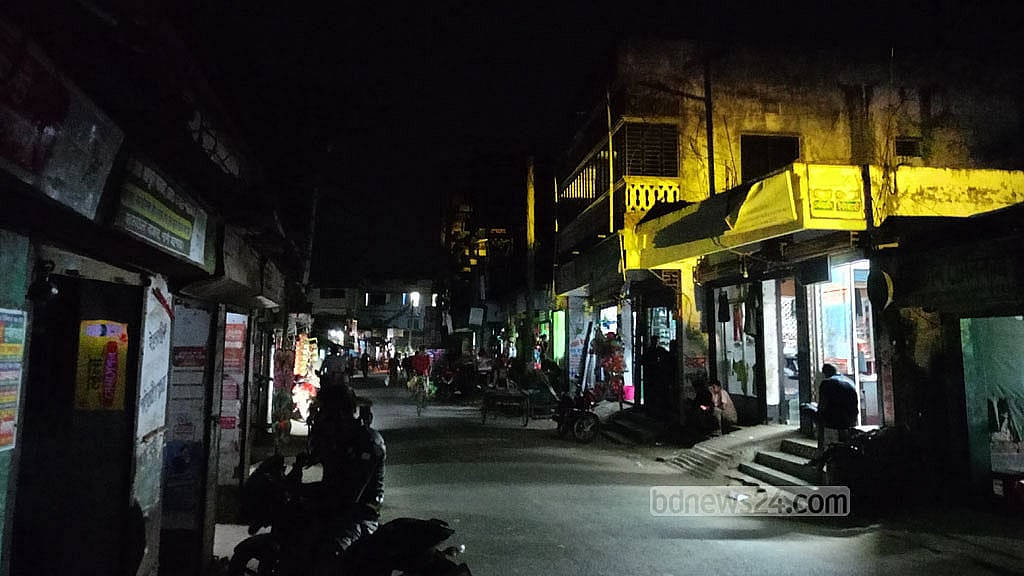
The government has also faced criticism over administration and law and order. Police and civil administration have seen extensive reshuffles, while Jamaat-e-Islami has accused the government of politicising state institutions.
Former cabinet secretary Ali Imam Majumder said he was “disturbed” by the continued forced retirement and removal of officials, saying it conflicted with the BNP’s pledge to build a merit-based civil service.
Planning State Minister Zonayed Saki rejected the charge, saying changes were being made based on “performance” and that the government had adopted a policy to keep the administration free of partisan influence.
Campus Tensions
The government had also prioritised restoring stability on campuses, but clashes between the BNP’s student wing Jatiotabadi Chhatra Dal and Jamaat-e-Islami’s Islami Chhatra Shibir have exposed fresh tensions.
The groups have clashed at several campuses, including Dhaka University, around programmes marking the second anniversary of the July Uprising. The latest confrontation took place at Begum Rokeya University in Rangpur on Aug 3.
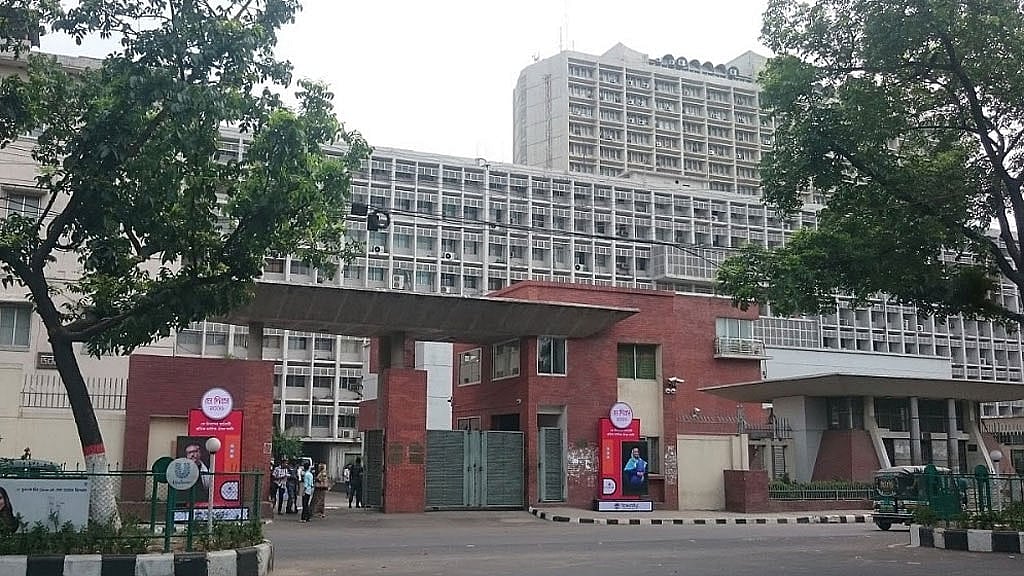
The tensions follow Shibir’s victories in central student union elections at several major universities last year, including Dhaka, Jahangirnagar, Rajshahi and Chattogram. Disputes over allegations of Shibir’s covert political activities had already strained relations with Chhatra Dal.
Tanzimuddin Khan, a Dhaka University international relations professor, said the clashes reflected a wider political contest over ownership of the 2024 uprising.
“Political parties have become embroiled in a conflict over claiming ownership of the 2024 mass uprising. Its impact has spilled over into student politics,” he said.
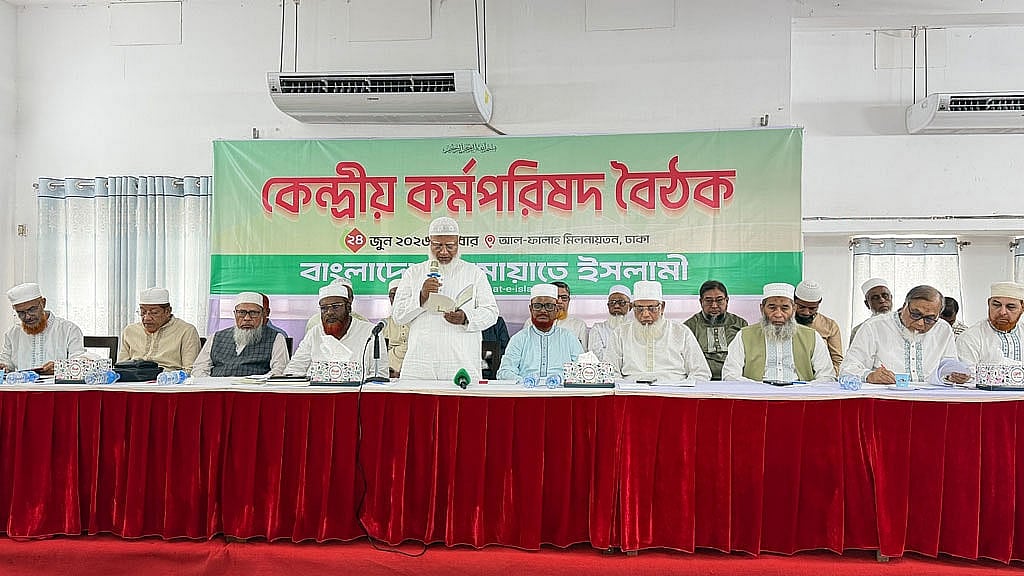
He said campuses once dominated by the Awami League’s Chhatra League were now seeing Shibir establish its influence, prompting other groups to compete for space.
Flagship Pledges
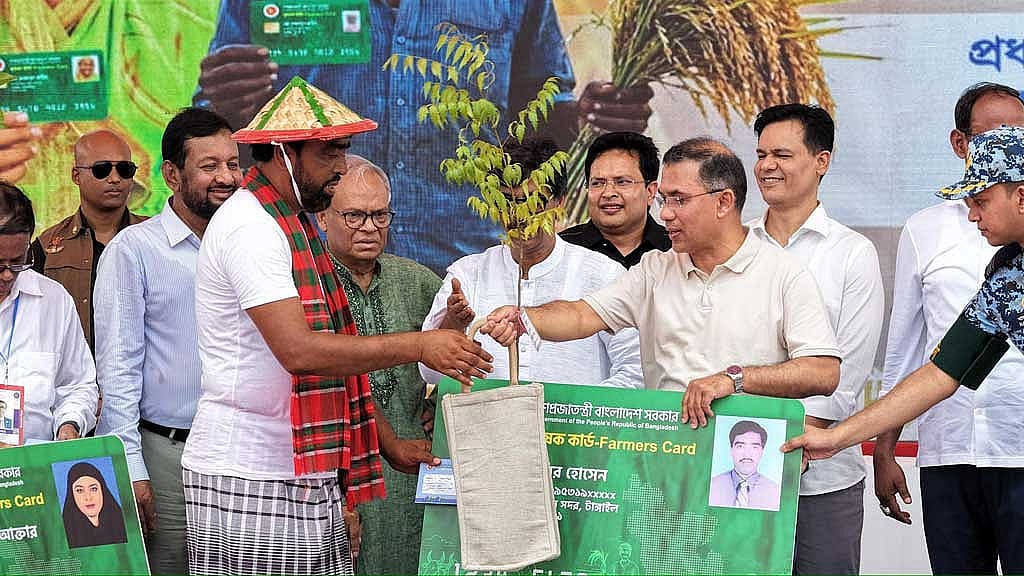
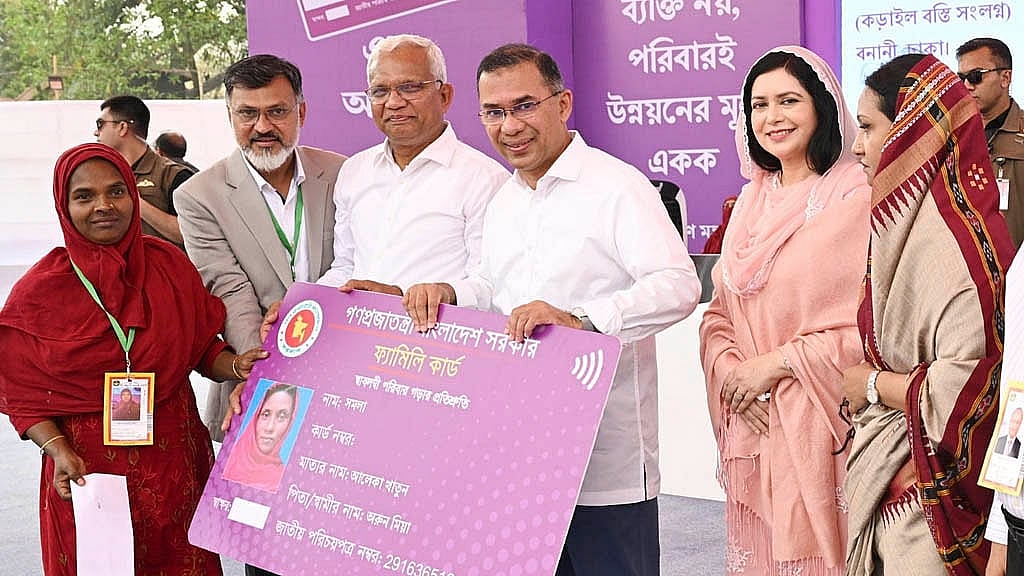
The government has also begun implementing its Family Card and Farmer Card schemes, with plans to cover 16 million families through the Family Card programme over four years. The e-Health Card, meanwhile, is still awaiting project approval.
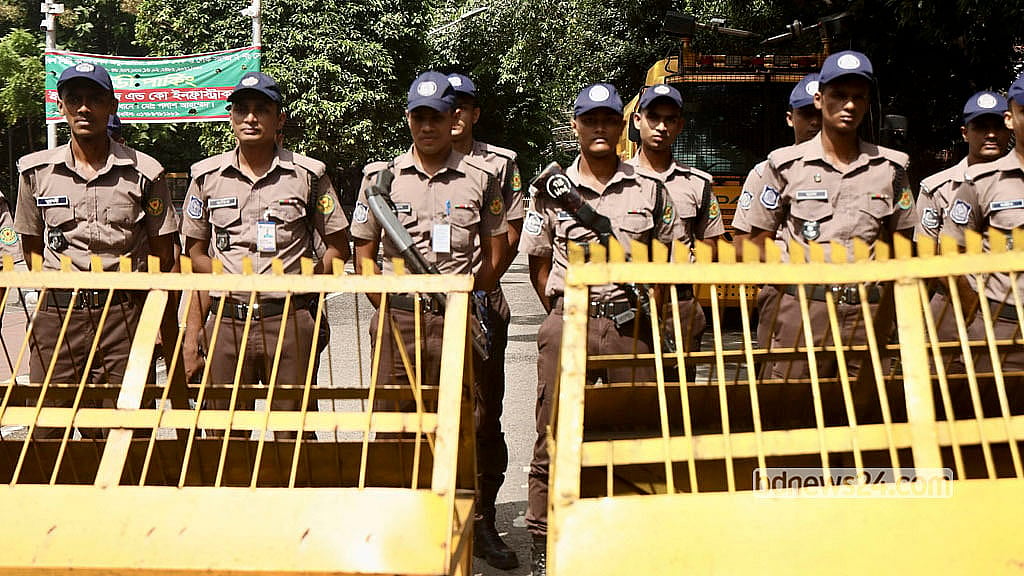
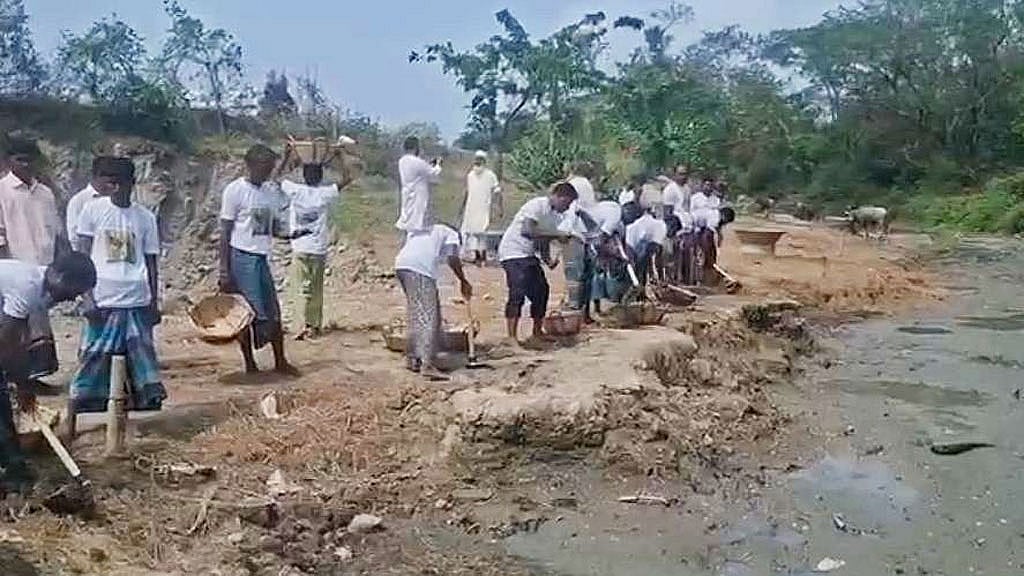
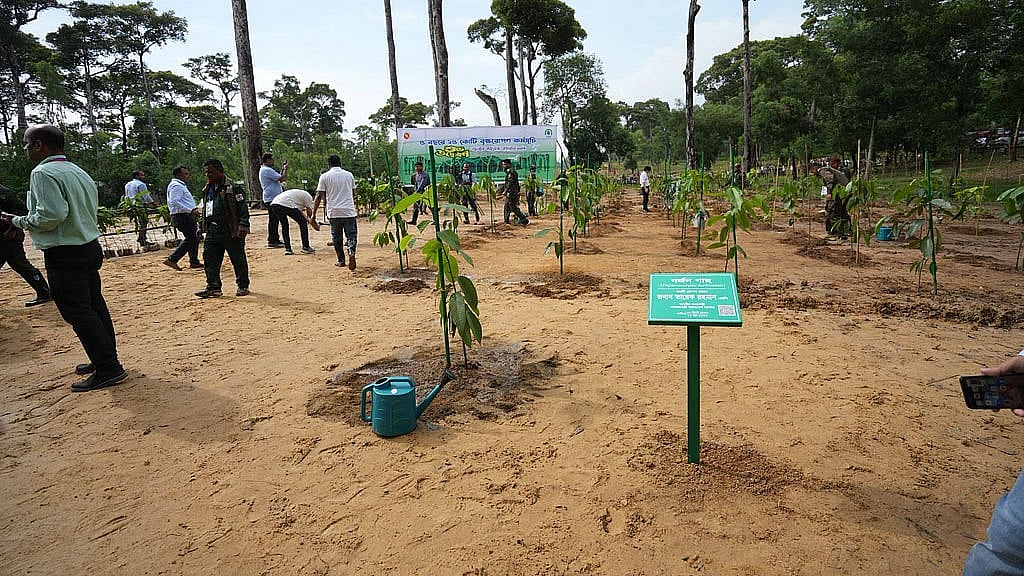
Other flagship initiatives include plans to excavate and re-excavate 20,000km of rivers, canals and water bodies, plant 250 million trees over five years, provide allowances for imams and other religious leaders, and introduce a Sports Card offering Tk 100,000 a month to selected athletes.
Stability Earns Praise
Opposition parties say the government is failing to address public hardship.
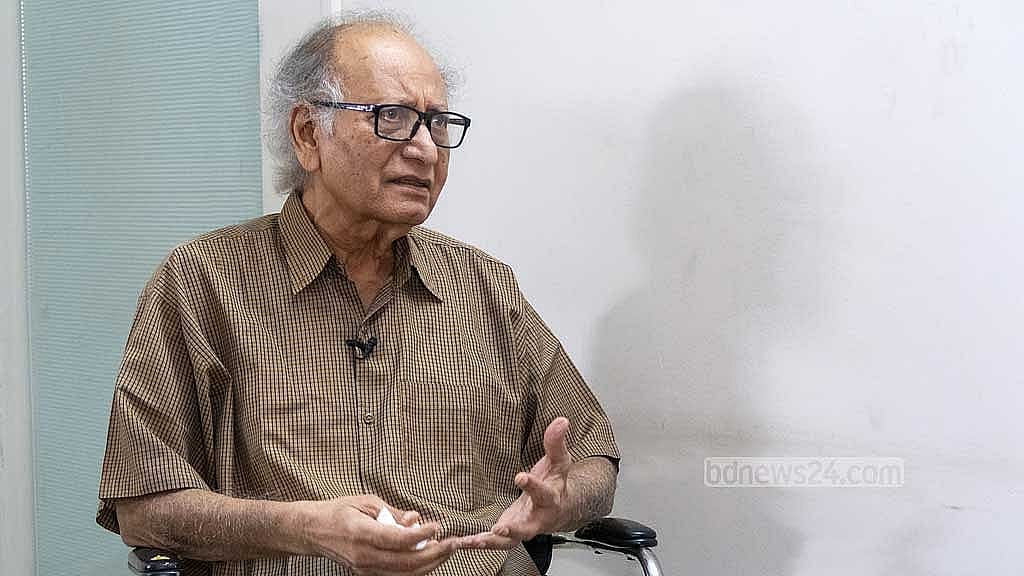
NCP leader Nasiruddin Patwary said, “There is no electricity, no gas, law and order is deteriorating. We are going through this, as are the people.”
Yet analysts are more measured.
Mujeri said the economy remained fragile but foreign exchange reserves had risen above $32 billion and the exchange rate was stable.
Business leader Abu Sadek said six months was too short to judge the government, but urged it to act more wisely on public suffering.
Political analyst Mushtuq Husain called the government’s beginning “good”, saying its biggest achievement was restoring a relatively stable and peaceful environment after the election.
Ali Imam Majumder said the BNP should embrace the inclusive political philosophy of its founder Ziaur Rahman.
For now, restoring political calm stands out as the government’s clearest achievement. The test now is whether that stability can translate into tangible relief for households, businesses and public institutions.
[Additional reporting by Monul Hoque Chowdhury, Abu Taleb, Abdus Sabur Lotus]