Published : 19 Sep 2026, 02:58 PM
Updated : 19 Sep 2026, 02:58 PM


Nearly three decades after Princess Diana’s death, her brother Charles Spencer is reopening some of the most painful disputes surrounding her final days.
In his forthcoming memoir “Swan Song: Diana, My Sister”, Spencer recounts the week after Diana died in a Paris car crash in 1997 and makes a series of striking claims about the royal family, the funeral and the breakdown of her marriage.
Extracts from the book, which is being serialised ahead of its Sept 22 publication, have already prompted an unusually sharp response from Buckingham Palace.
The palace suggested Spencer’s recollection may have been affected by grief. Spencer has rejected that, telling the BBC: “I’m telling the truth."
Here are five of the most striking claims to emerge so far.
‘We’ll Forget Her Soon Enough’
The allegation that has drawn the strongest response concerns a phone call between Spencer and the then-Prince Charles while Diana’s funeral was being planned.
According to extracts carried by The Guardian, Spencer says he objected to plans for William, then 15, and Harry, 12, to walk behind their mother’s coffin, believing Diana would not have wanted her sons put through such an ordeal.
Spencer says Charles insisted they should take part.
During the ensuing argument, he alleges Charles told him: “Rest assured, we’ll forget her soon enough.”
Spencer recalls being stunned.
“I can’t believe you just said that,” he says he replied before hanging up, according to The Guardian.
Buckingham Palace responded with a rare public rebuke, arguing that intense grief can affect judgment and memory even many years later.
Spencer has since stood by his account, saying he repeated the alleged remark to friends and family immediately afterwards because he found it “monstrous”.
Charles Sounded ‘Giddily Elated’
In another extract reported by The Guardian, Spencer describes an earlier conversation with Charles shortly after Diana’s death.
He says the prince sounded “giddily elated – like a lottery winner”.
Spencer interprets the tone as relief rather than grief and goes further in the memoir, suggesting that some inside Buckingham Palace were “relieved – indeed pleased” by Diana’s death.
Those are Spencer’s characterisations and cannot be independently verified.
The Guardian reports that Spencer goes further in the book, suggesting some inside Buckingham Palace were relieved by Diana’s death.
Buckingham Palace has not publicly answered every allegation individually, instead issuing its broader response questioning how reliably events recalled amid intense grief can be remembered decades later.
The Fight Over William and Harry Walking Behind the Coffin
Spencer’s opposition to William and Harry joining the funeral procession forms one of the book’s most detailed passages.
He says he believed Diana would have wanted the boys protected from the ordeal and objected after being told they would be expected to walk behind her coffin.
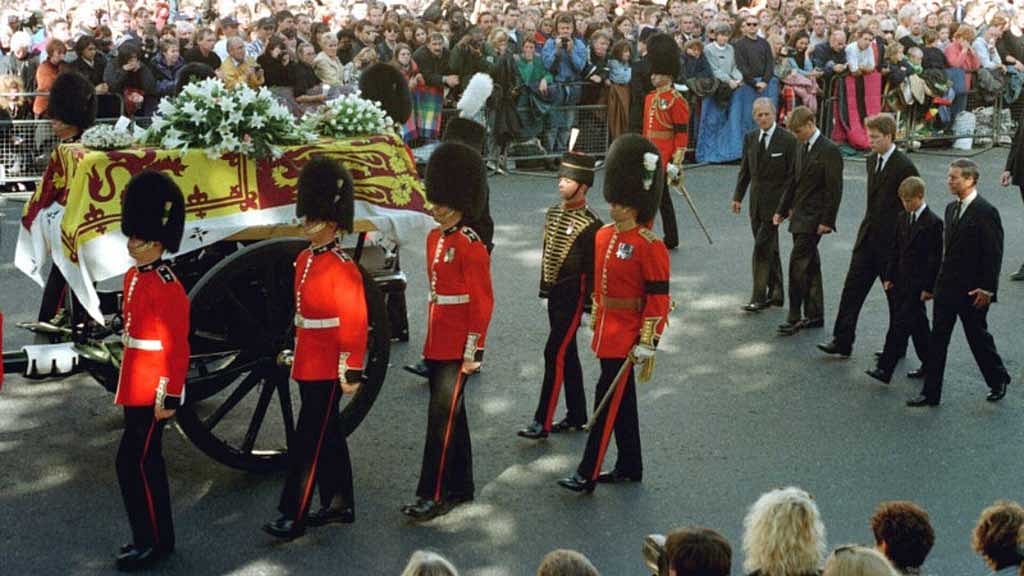
People, citing the memoir, reports that Spencer also clashed with Charles over his own place in the procession.
According to Spencer, Prince Philip eventually intervened, overruling Charles and insisting Diana’s brother should occupy a central position alongside her sons and other members of the family.
Spencer describes what followed in stark terms.
“What followed was the most harrowing experience of my life,” he writes, later calling the walk “hellish”, according to People.
The sight of William and Harry walking behind their mother’s coffin became one of the defining images of Diana’s funeral.
Both princes have since spoken about how difficult the experience was. People notes that they have also described the decision to take part as one reached collectively by the family.
The Queen Offered to Restore Diana’s HRH Style
Spencer also says Queen Elizabeth II offered to restore Diana’s “Her Royal Highness” style after her death.
People, citing “Swan Song”, reports that the offer was conveyed to Spencer by the Queen’s private secretary, Robert Fellowes.
Diana had lost the HRH style following her divorce from Charles in 1996, although she remained Diana, Princess of Wales.
Spencer says he considered what his sister would have wanted and rejected the offer.
“That’s very kind of the Queen, of course. But what’s the point, Robert? Now? I mean — Diana’s dead,” he recalls replying.
Spencer writes that Diana had been deeply hurt by losing the style after her divorce and regarded its removal as petty and vindictive.
He later wondered whether William and Harry might have appreciated seeing it restored to their mother.
The episode adds an unexpected detail to one of the most symbolic consequences of Diana’s divorce and her changed position within the royal family.
What Diana Told Spencer About Her Marriage
The memoir also revisits private conversations Spencer says he had with Diana about her troubled marriage to Charles.
People reports that Spencer recalls a lunch at the London restaurant San Lorenzo at which Diana told him she intended to divorce.
“She looked down at the table and said, ‘Carlos, I’m going to get divorced,’” Spencer writes, recalling the siblings using their nicknames for one another.
Diana then allegedly told him: “But, Carlos, my husband is in love with his valet.”
Spencer presents the allegation as something Diana told him, rather than something he witnessed or independently established. She did not name the staff member.
He writes that he is recording his sister’s feelings rather than judging whether her claims were correct.
The allegation also echoes claims that circulated years later involving a royal staff member. Charles’s private secretary issued a categorical denial in 2003 of allegations then circulating about the prince, People notes.
Spencer also recalls Diana questioning whether Charles had ever loved her and writes that she later learned he had told her shortly before their wedding that he was happy to marry her but was not in love with her.
Those claims cannot now be independently verified and represent Spencer’s account of private conversations involving his sister.
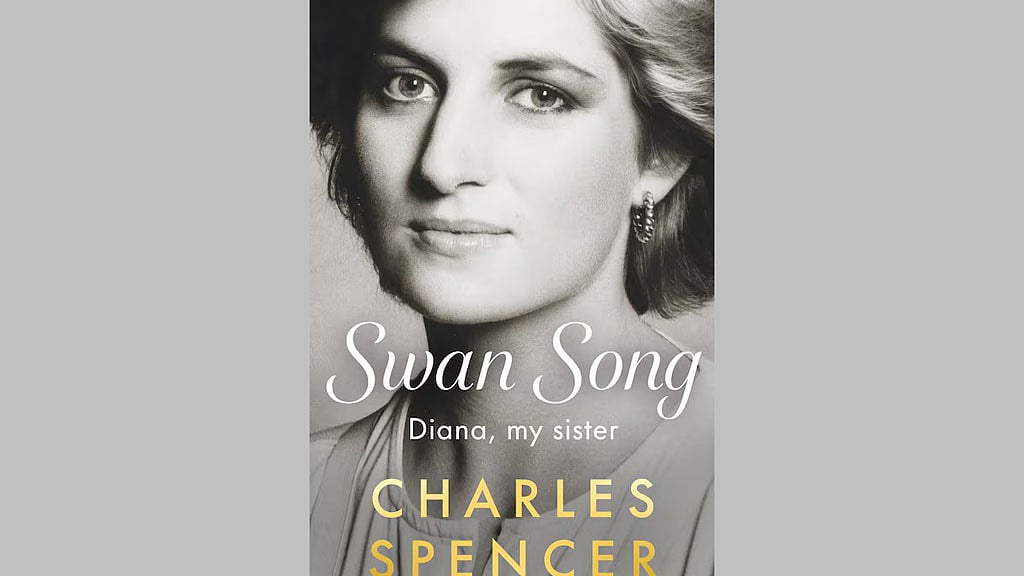
“Swan Song” marks the first time Spencer has spoken at length about Diana in book form, according to publisher Michael Joseph.
When the book was announced in August, Spencer said the approaching 30th anniversary of her death had brought another flood of interview requests.
Rather than continue reading other people’s versions of Diana, he said he wanted to write down his own thoughts and memories.
His aim, Spencer said, was to tell Diana’s story from her brother’s perspective.
The 384-page memoir is due to be published on Sept 22.