Published : 11 Sep 2026, 09:27 PM
Updated : 16 Sep 2026, 11:49 AM


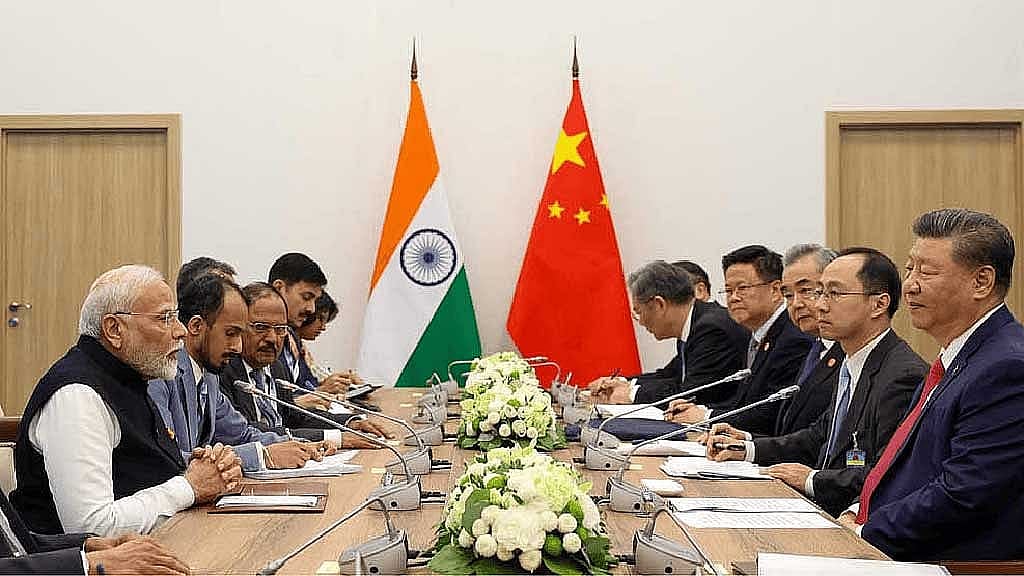
Chinese President Xi Jinping is returning to India for the first time in seven years, and a meeting with Prime Minister Narendra Modi is now being arranged.
China's Foreign Ministry confirmed on Friday that the two sides were working on a bilateral meeting as Xi prepares to travel to New Delhi for the BRICS Summit on Sept 12-13.
Beijing is willing to approach relations with India from a "strategic and long-term perspective", strengthen communication and cooperation and properly manage differences, Foreign Ministry spokeswoman Mao Ning said.
The language reflects how far relations have come since Xi last set foot in India.
His previous visit, for an informal summit with Modi in the coastal town of Mamallapuram in October 2019, was intended to strengthen ties between the Asian giants.
Months later, their relationship was plunged into crisis.
So what happened — and how much has really changed?
From Mamallapuram to a Border Crisis
The rupture came along the disputed Himalayan frontier.
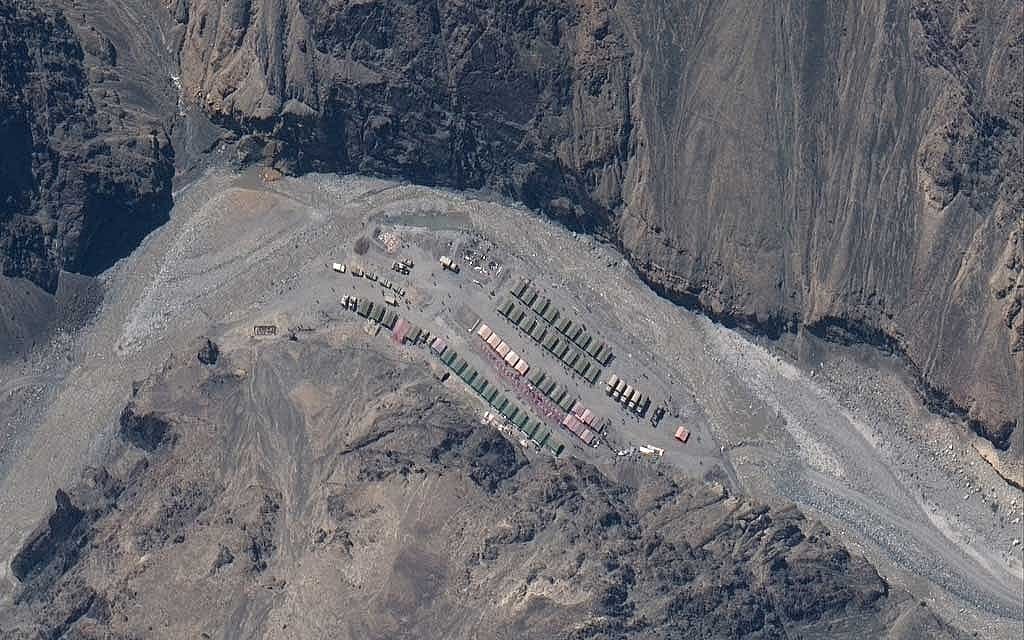
A clash between Indian and Chinese troops in the Galwan Valley in June 2020 killed 20 Indian soldiers and four Chinese troops and sent relations into a deep freeze.
Tens of thousands of troops were deployed along the Line of Actual Control, or LAC, while New Delhi tightened restrictions on Chinese investment and businesses.
Political engagement suffered too.
Xi stayed away from the G20 Summit hosted by India in 2023, while New Delhi insisted that normal relations depended on restoring peace along the border.
A breakthrough came in late 2024.
India and China reached an agreement aimed at easing their military standoff, and Modi and Xi met on the sidelines of the BRICS Summit in Kazan that October.
The two sides completed the process of disengaging troops along the LAC in eastern Ladakh the following month.
It was the beginning of a cautious thaw.
What Has Changed Since Then?
The neighbours have gradually restored some of the links disrupted after 2020.
Direct flights resumed last year, India eased visa procedures for Chinese business professionals and the Kailash Mansarovar pilgrimage restarted.
In March, India eased some restrictions imposed on Chinese investment after the border crisis, focusing on sectors including electronics, capital goods and solar cells. Authorities have also approved projects including a manufacturing venture between India's Dixon Technologies and Chinese smartphone maker Vivo Mobile.
Diplomatic engagement has accelerated too.
Modi travelled to China last year, while the two countries have continued talks over their disputed border.
Talks in Beijing last month between India's National Security Adviser Ajit Doval and Chinese Foreign Minister Wang Yi produced agreements on two new military hotlines and two additional meeting points for military commanders.
Xi and Modi also met briefly at a regional forum in Kyrgyzstan earlier this month.
Xi's return to India would mark another step in that process — and give the leaders a more substantial opportunity to set the direction of relations.
Business Ties Still Bound by Suspicion
Businesses in both countries continue to encounter investment restrictions, visa delays and obstacles involving industrial equipment, Reuters reports.
Some major Chinese companies remain reluctant to return after shelving planned investments in India amid heightened scrutiny.
Proposed Chinese investments in India involving sophisticated manufacturing and high-end technology are also facing greater scrutiny from Beijing, according to sources cited by Reuters.
One Indian source told the news agency that Chinese authorities had asked companies not to sell some critical technology and infrastructure equipment to India.
Chinese-made equipment and components needed for Indian solar, electronics and infrastructure projects have also been held up at customs, according to Indian industry and government sources.
China's Commerce Ministry did not respond to Reuters' request for comment.
The obstacles show how much further the economic relationship has to travel even as diplomatic engagement picks up.
What's on the Table for Modi and Xi?
Economics is likely to feature prominently if the two leaders meet.
The Indian Express reports that the countries are working towards a strategic economic dialogue covering India's trade deficit with China, market access, investment and visas.
The border will remain another major issue.
Around 50,000 troops are still estimated to be deployed on either side of the LAC, while the underlying territorial dispute remains unresolved.
India is also expected to raise concerns over difficulties faced by Indian businesses in China and Beijing's close strategic relationship with Pakistan, according to The Indian Express.
Beijing, meanwhile, has concerns over restrictions and investigations affecting Chinese companies operating in India.
The wider international environment adds another dimension, with both countries navigating difficult relations with Washington while the war in West Asia and disruption to energy supplies create fresh economic uncertainty.
Analysts caution against expecting one meeting to transform the relationship.
The "trust deficit" between the two countries remains high, Harsh Pant of New Delhi's Observer Research Foundation told Reuters.
Beijing has sought to frame the relationship more positively, saying Xi and Modi regard their countries as "partners, not competitors".
How Far Has the Thaw Really Gone?
Seven years after Xi's last visit to India, the difference is substantial.
The two countries have moved from a deadly border confrontation and diplomatic freeze towards regular high-level engagement, restored travel links and a tentative economic reopening.
But the border dispute remains unresolved, businesses still encounter barriers and strategic suspicion runs deep.
China says it wants to approach the relationship from a "strategic and long-term perspective".
Xi's return to Delhi — and the bilateral meeting now being arranged with Modi — will offer the clearest indication yet of how far both sides are prepared to go.