Published : 19 May 2026, 09:03 AM
Updated : 21 Aug 2026, 03:45 PM


A seasonal rural economy in West Bengal, long reliant on the Eid-ul-Azha cattle trade, has been thrown into turmoil after the newly elected BJP government moved to enforce a decades-old slaughter law strictly.
The sudden clampdown, coming just weeks before Eid, has triggered an unexpected backlash -- not only from its usual political opponents, but also from Hindu dairy and cattle farmers whose livelihoods depend on the seasonal sale of ageing livestock, according to The Federal.
The Suvendu Adhikari government last week reinforced implementation of the West Bengal Animal Slaughter Control Act, 1950, requiring “fit-for-slaughter” certificates jointly issued by civic authorities and veterinary surgeons before cattle can be legally slaughtered, the Indian news outlet reported.
The notification also tightened restrictions on transport and public slaughter of cattle and buffaloes.
The timing, just ahead of Eid, has unsettled livestock markets across districts such as South 24 Parganas, Nadia, Murshidabad and Birbhum, where small dairy farmers routinely sell ageing or non-milking cattle to recover costs and reinvest in younger stock, it added.
“The government has no idea of the cattle economy; they would have given us time before implementing the 1950 law,” Sasanka Mandal, a cattle farmer from Bamangachi in South 24 Parganas, told The Federal.
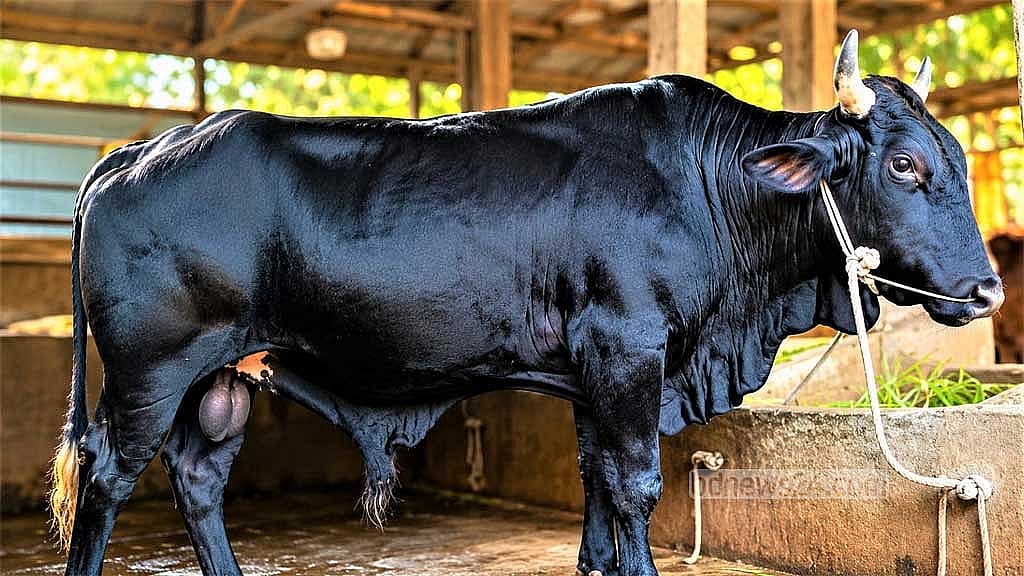
“We spend Rs 200 to Rs 300 (roughly Tk 255 to Tk 383) per day on each animal, depending on age and size. The cow hardly survives for 14 years, but the government says the minimum age for selling cattle should be 14. What should we do with cattle that have stopped giving milk before that?” he said.
Under the Act, slaughter is permitted only after certification that an animal is over 14 years and unfit for work or breeding, or permanently incapacitated.
Farmers say the stricter enforcement has paralysed seasonal trade, as buyers retreat amid fear of legal action and vigilante pressure.
“We have taken loans of around [Rs 1.5 million or Tk 1.92 million] for this business,” Surajit Ghosh from Bamunia village was quoted as saying.
“The cattle that stop giving milk are prepared for sale during Eid by feeding them properly for six to seven months. After the sale, we repay the loans.”
“Now no one is coming to purchase cattle because of fear. The government should provide us alternative livelihood avenues,” he added.
Another farmer, Sanjit Ghosh, said he had nearly 20 cattle ready for sale but was now facing financial distress after buyers withdrew.
“People who had given advance payments are now asking for their money back,” he told The Federal.
“Like paddy procurement, the government should purchase cattle at a minimum support price this year.”
Opposition leaders have criticised the enforcement drive, saying it collides with Bengal’s rural economic realities.
ISF MLA Nausad Siddique said, “The BJP government of Suvendu Adhikari wanted to target Muslims, but in the process, Hindus are suffering more,” as quoted by The Federal.
He added that most cattle rearers in the state are non-Muslim communities and urged the government to use exemption provisions under Section 12 of the Act during Eid.
The controversy deepened after BJP MLA Rekha Patra stopped a cattle-laden vehicle in Hingalganj and demanded “birth certificates” of cows to verify eligibility for slaughter.
“As our government has directed, there will be a strict ban on slaughtering cows below 14 years,” she said, according to The Federal.
“If anyone is found transporting cows illegally, we must catch them and ask them to show birth certificates of the cows.”
Opposition parties have since accused BJP workers of encouraging vigilante-style enforcement, while concerns grow over communal tensions and rural economic disruption across the state.