
Published : 13 Jun 2023, 01:36 PM
Updated : 13 Jun 2023, 01:36 PM


Around 300 million women menstruate every day. But approximately 500 million do not have access to basic menstrual hygiene products due to high prices or unavailability in marginalised communities.
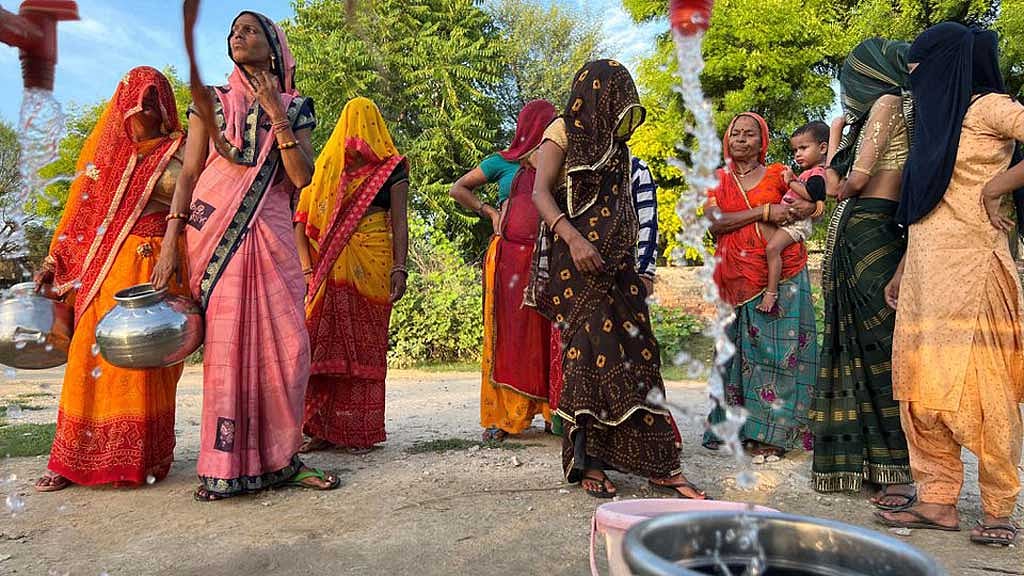
Saltwater intrusion is a significant problem in Satkhira, and people cannot access safe water for drinking, cooking or washing. The women in these coastal areas use rags or pieces of cut fabric during their periods. They wash the rags in saltwater for reuse, which often leads to skin irritations or infections.
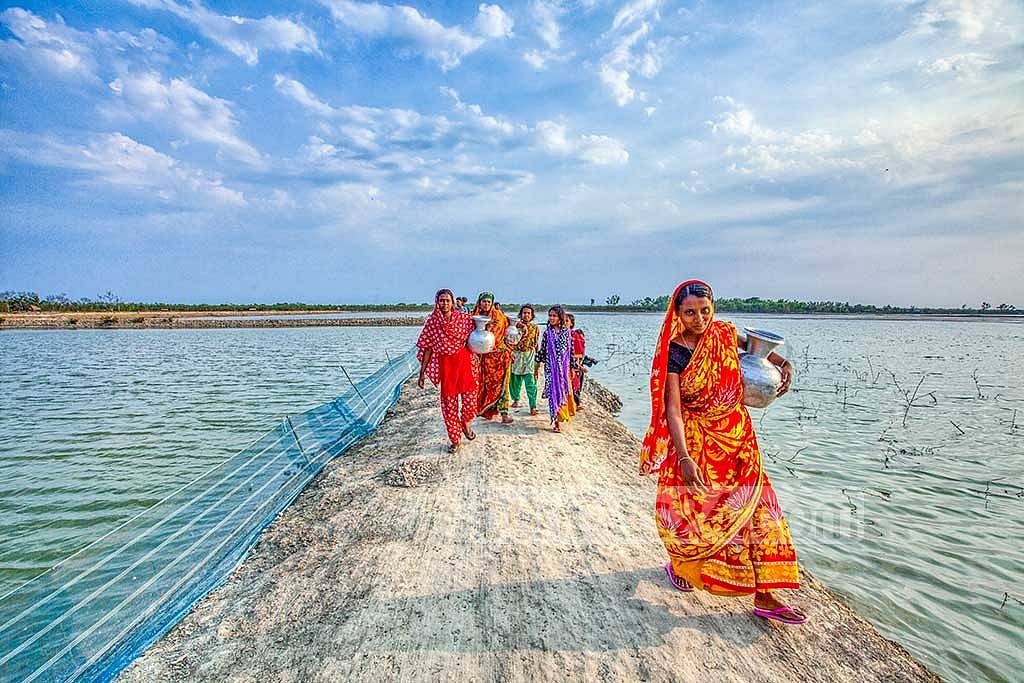
As sea levels rise every year, saltwater rapidly makes its way inland and floods people’s houses, schools and hospitals. The floods displace millions of people, and women are stranded in shelters with limited access to sanitary products and toilets.
In Satkhira, young girls and women take birth control pills to stop their periods.
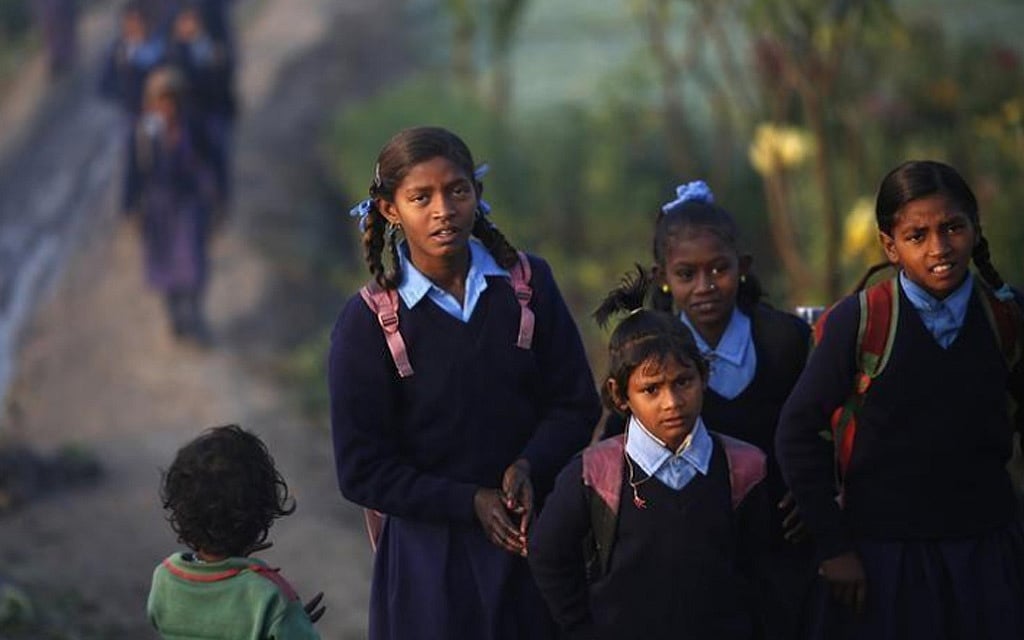
UN reports say 43 percent of the schools in Bangladesh do not have basic sanitation or hygiene facilities, putting more than 19 million school-going children in danger. The reports also state that over 3 million children visit schools without access to hand washing facilities or toilets. This exposes them to serious health issues like urinary tract and reproductive infections.
Dr Maria Neira, WHO director, Department of Environment, Climate Change and Health, says, “Access to water, sanitation and hygiene is not only essential for effective infection prevention and control, but is also a prerequisite for children's health, development and well-being."
Reporter's age: 15 | Dhaka