Published : 28 Sep 2026, 07:20 PM
Updated : 28 Sep 2026, 07:20 PM


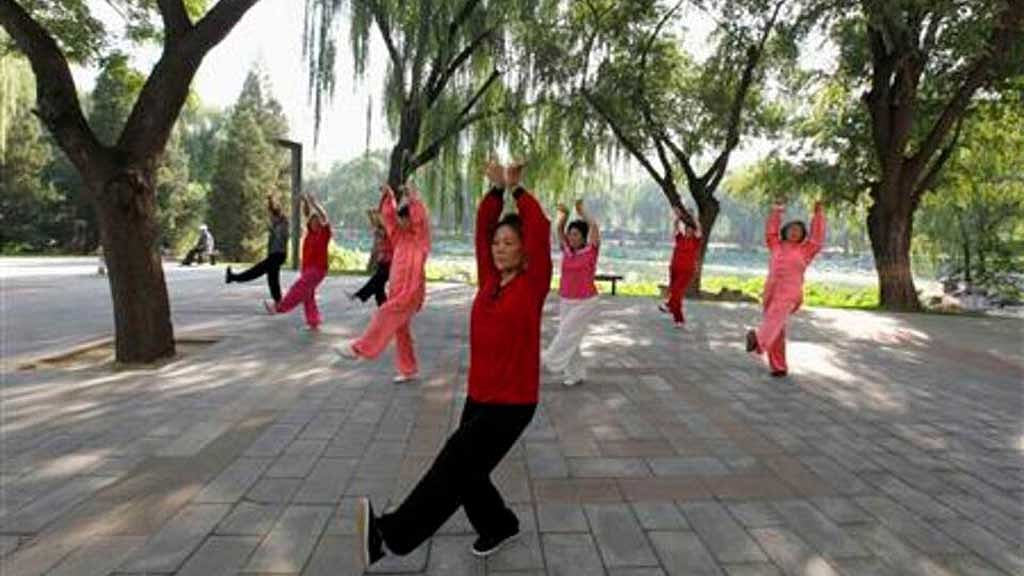
You may have seen people doing it in a park and wondered what on earth was going on. Tai chi walking -- slow, controlled, almost meditative in appearance -- is having a moment, and health experts say there is good reason for that.
Unlike regular walking, which relies on momentum, tai chi walking requires you to shift your entire body weight onto one leg and achieve full balance before the other foot even leaves the ground, reports The Independent.
In tai chi terms, one leg becomes "full" and the other "empty." You do not move until that transfer is complete.
"It's much more of a meaningful, slower and controlled walk," says Rebecca Bossick, a physiotherapist and clinical director at One Body LDN.
The benefits, she says, are wide-ranging. The constant balancing strengthens the legs, glutes, core, and postural muscles of the spine. It also sharpens proprioception -- the body's sense of where it is in space -- which makes it particularly effective for fall prevention in older adults.
The mental health benefits are equally significant.
The practice demands focus on breath, alignment, and weight distribution, which trains attention and filters out distraction. Its meditative quality may also ease anxiety and depressive symptoms by activating the parasympathetic nervous system.
Because it is low-impact, tai chi walking is gentle on the joints -- a key advantage over running or high-intensity exercise.
And because it can be done alone or in a group, it carries a social dimension that adds to its appeal, according to The Independent.
Bossick recommends beginners start with a group class to observe before joining in, or seek out a physiotherapist or tai chi instructor for guided sessions.
"As soon as people start doing this practice in a controlled environment," she says, "it helps build their confidence -- and that improves their quality of life."