Published : 10 Sep 2026, 09:23 PM
Updated : 16 Sep 2026, 11:49 AM


Elon Musk has dismissed a new four-hour documentary about him as a “hit piece” and attacked its Oscar-winning director Alex Gibney, days after the filmmaker said fear of the billionaire had made the project unusually difficult to report.
“Musk”, which premiered at the Venice Film Festival this week, attempts to trace how the Tesla and SpaceX chief evolved from Silicon Valley entrepreneur into one of the world’s most powerful and polarising public figures.
Musk declined to participate in the film.
But following its Venice premiere, he began responding to posts about it on X, calling the documentary “boring” and again describing it as a “hit piece”.
He also launched a personal attack on Gibney, according to Variety.
It is unclear whether Musk has watched the documentary. He had already called the project a “hit piece” when it was first announced in 2023.
For Gibney, however, one of the most striking discoveries came before the cameras started rolling.
The director said many people who knew Musk, worked with him or had reason to criticise him were unwilling to speak publicly.
“I’ve never encountered this level of fear,” Gibney is quoted as saying by Reuters.

Some potential interviewees feared lawsuits, while others worried about consequences for their businesses or professional lives.
Gibney, whose previous documentaries have examined Enron, Scientology and institutional abuse, began working on “Musk” in 2023.
What was intended to be a shorter film grew to 232 minutes as Musk’s influence expanded beyond electric cars, rockets and social media and became increasingly entangled with US politics.
Promises, Power and Self-Driving Cars
The documentary examines Musk’s takeover of Twitter, now X, his reliance on government contracts and what Gibney describes as a pattern of making ambitious promises that help build influence and wealth.
One of its central examples is Tesla’s long-running pursuit of autonomous driving.
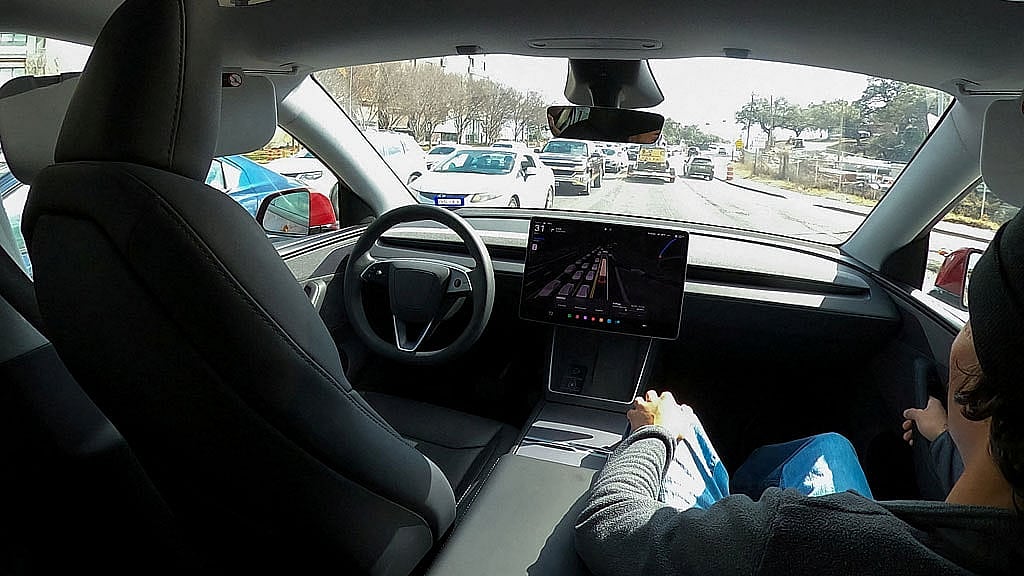
Variety says the film revisits Musk’s predictions about self-driving cars and questions how closely those promises have matched reality.
The subject remains particularly current. Tesla’s Full Self-Driving system can accelerate, brake and steer, but still requires a human driver to remain ready to intervene and is not fully autonomous, according to Reuters. European regulators are currently assessing whether to approve the technology more widely.
The documentary also scrutinises Musk’s ambitions to establish a human settlement on Mars, questioning some of the mythology that has grown around his vision of making humanity a multiplanetary species.
Gibney ultimately describes Musk as a modern-day “confidence man”, arguing that grand promises are central to the businessman’s ability to accumulate power.
From Tech Billionaire to Political Force
The film changed substantially while Gibney was making it.
Reuters reports that Musk’s increasing involvement with Donald Trump and the political right forced the filmmakers to widen their scope.
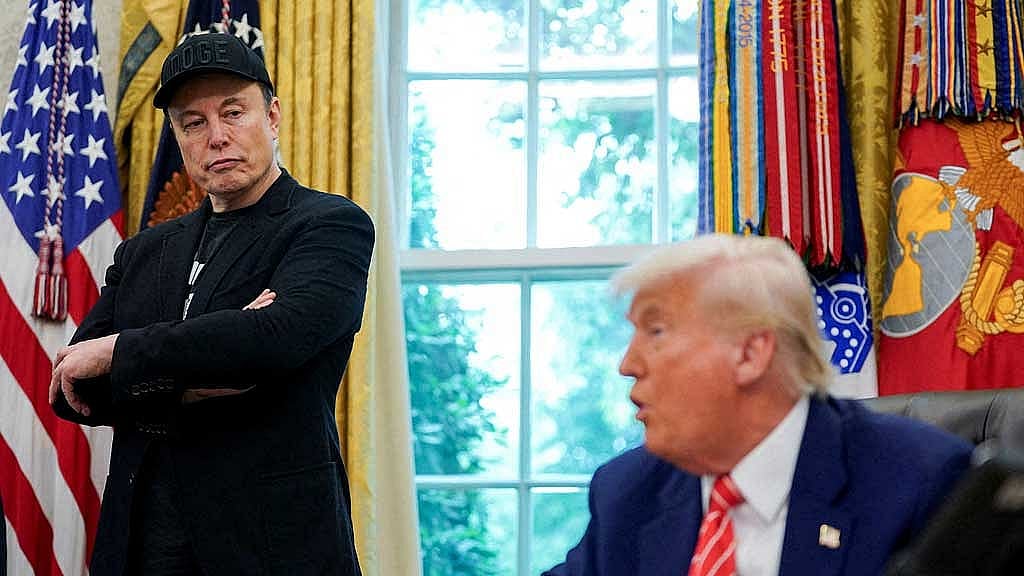
What began primarily as an examination of a technology entrepreneur therefore became, in part, a study of how enormous private wealth, control of an influential social platform and political power can intersect.
Variety says “Musk” examines the billionaire’s political shift alongside his businesses and personal relationships.
Musk has repeatedly disputed criticism of his companies and his record.
The documentary includes interviews with several people who have been close to him or his businesses, including his first wife Justine Musk, his father Errol Musk and Tesla co-founder Martin Eberhard.
It also features tech journalist Zoë Schiffer and Ashley St Clair, who has a child with Musk.
St Clair told the filmmakers she rejected an alleged $40 million non-disclosure agreement that would have restricted her ability to speak publicly.
Musk has disputed her account.
An Interview Without Musk
With Musk unwilling to sit for an interview, Gibney’s team devised another way of putting his voice into the film.
“Musk” uses an AI-generated avatar that delivers statements the billionaire has made publicly over the years.
Gibney said the filmmakers sought legal advice before using the device.
It also feeds into one of the film’s larger questions: how much of the Musk phenomenon rests on the things he has actually achieved, and how much on the image, promises and mythology built around him.
Gibney has said he did not begin the project intending to produce a hostile portrait. His view changed as the reporting progressed.
The finished film received a four-minute standing ovation at Venice and is scheduled to open in US cinemas on Oct 16.
Musk, meanwhile, appears unlikely to soften his verdict.
His latest complaint was that Gibney’s documentary had not only missed its target as a “hit piece”, but committed what he called the “fatal sin” of being boring for four hours.