Published : 30 Jul 2026, 06:08 PM
Updated : 08 Sep 2026, 09:28 AM


Government representatives, development partners, United Nations agencies, NGOs, INGOs, academics and education experts have discussed Bangladesh's primary curriculum reform journey, calling for stronger, evidence-based measures to improve future curriculum development.
The discussion took place at a policy seminar organised by Plan International Bangladesh, according to a media statement issued on Wednesday.
Titled "Primary Curriculum Development in Bangladesh: Reflecting on the Reform Journey Together", the event brought together stakeholders to exchange experiences, reflect on lessons learned and identify practical recommendations for a more inclusive, relevant and future-ready primary education system.
State Minister for Primary and Mass Education Bobby Hajjaj attended the seminar.
The programme featured a presentation by Plan International Bangladesh titled "Shaping Quality Primary Education: Journey Towards High-Quality Curriculum Resources for Every Child", followed by a panel discussion and an interactive dialogue.
Participants said curriculum reform should be evidence-based, build on existing strengths and respond to children's changing learning needs.
They also stressed the importance of promoting foundational learning, critical thinking, creativity, communication and future-ready competencies while ensuring inclusion for children from diverse backgrounds, including those in climate-vulnerable and emergency-affected communities.
Speaking at the seminar, Hajjaj said: "Primary education is the foundation of every child's future. As society continues to evolve, the curriculum must remain relevant, student-centred and responsive to children's changing needs."
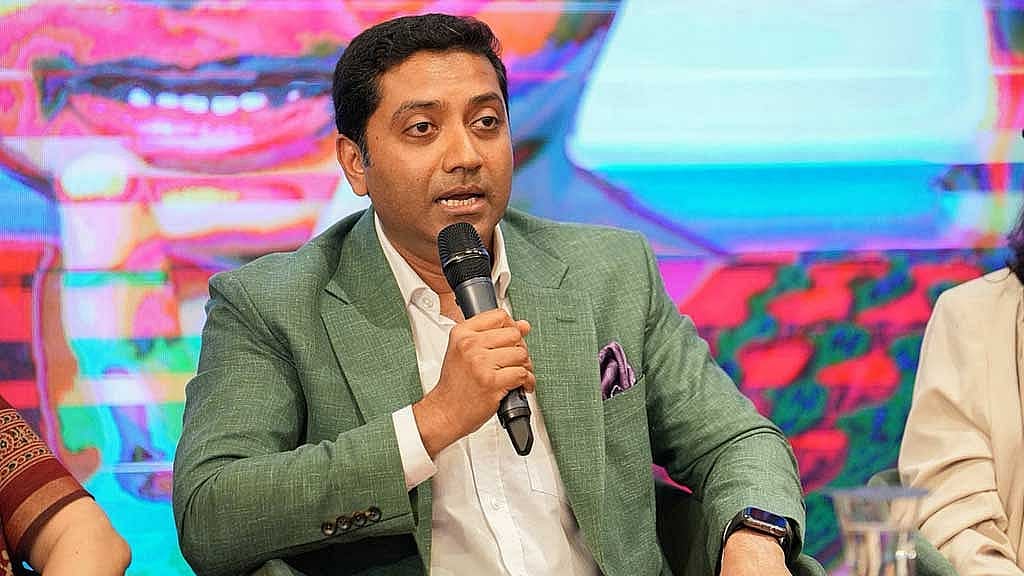
He said the curriculum should go beyond academic knowledge to equip children with critical thinking, life skills and practical competencies while promoting inclusive schools where learning, sports and culture go hand in hand.
“This vision can only be realised through strong collaboration between the government, development partners and all education stakeholders."
The seminar also reaffirmed that curriculum reform extends beyond curriculum design.
During the panel discussion, Rasheda K Chowdhury, executive director of Campaign for Popular Education (CAMPE); Syeda Sazia Zaman, programme head and research lead at BRAC Institute of Educational Development (BRAC IED); Md Abdur Rahim, additional director general of the Directorate of Primary Education (DPE); Farid Ahmed, director general of the National Academy for Primary Education (NAPE); Mohammad Golam Kibria, team leader (Human Capital) and education advisor at the Foreign, Commonwealth & Development Office (FCDO); and Kabita Bose, country director of Plan International Bangladesh, highlighted the need to strengthen the entire primary education ecosystem.
They said meaningful curriculum reform requires stronger alignment between the curriculum, teacher professional development, quality learning materials, classroom practice and assessment to improve learning outcomes.
The panellists also called for an inclusive, evidence-based and competency-driven curriculum that equips children with the knowledge, skills and values needed to thrive in a changing world.
The seminar concluded with a shared commitment from government representatives, development partners, UN agencies, civil society organisations and education experts to continue working together to strengthen Bangladesh's primary education system and advance quality, equitable and inclusive education for every child.