Published : 03 Jun 2022, 01:16 AM
Updated : 03 Aug 2022, 10:12 AM


The move has essentially devalued the rate of taka against US dollar again, even with the reinstatement of floating foreign exchange rate.
The central bank on Thursday reintroduced the floating foreign exchange for banks to set the US dollar rate based on demand and supply situations.
Bangladesh adopted a floating exchange rate system in 2003 to effectively integrate with the global market.
However, for the last couple of months, the central bank imposed tight control on the dollar exchange rate due to the massive depletion of the greenback it has in its coffer.
On Sunday, it set the interbank exchange rate to Tk 89 per US dollar along. The rate was set at Tk 89.15 for the importers and Tk 89.2 for the remitters, a fourth such devaluation in two months.
As a result of it, analysts said, banks could not supply adequate dollars for the payment of import costs, and the situation simultaneously prompted exporters to delay encashment of their earnings resulting in a demand-supply mismatch.
The depletion took place due to a large gap between the amounts paid for imports through letters of credit and the cumulative inflow of foreign exchanges via exports and remittances.
The recovering post-pandemic economy of Bangladesh has been dealing with a massive boom in import costs, especially in the first nine months of the current fiscal.
Although exports data suggests a similar growth too, a significant fall in the remittance inflow from non-resident Bangladeshis has created a big gap, which, according to the Bangladesh Bank and analysts, made the reserves lose almost $1 billion every month.
The central bank’s spokesperson Md Serajul Islam said the regulator has lifted the bar for banks to set their exchange rate, based on the market situation.
“Bankers informed us that the regulation of the US dollar rate is somewhat depressing the remittance inflow. For that reason, we’ve decided to go back to the floating system,” he said.
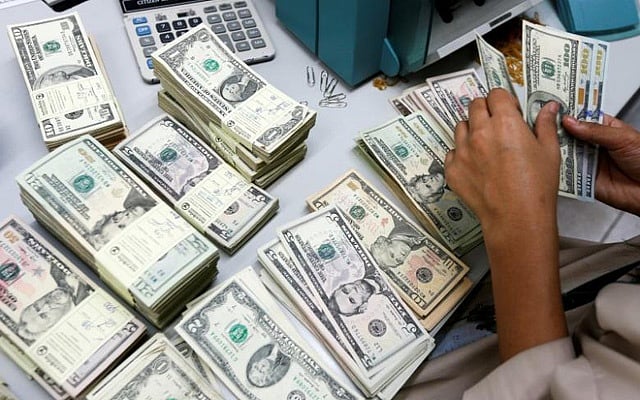
The devaluations somewhat put the kerb currency market into a spiral, as dollar prices soar significantly.
At one point last month, exchangers outside of the formal banking system were selling a dollar for over Tk 100, the highest in Bangladesh’s history.
The record rise in US dollar prices, according to market insiders, has hurt the remittance inflow through banking channels as non-resident Bangladeshis, the main source of remittances for the country, were using informal transaction systems, such as Hundi or just plain old carrying and selling in the kerb market to get a better price.
The Bangladesh Bank, however, wants to keep the new policy forward under the wraps as the banks have been instructed through back channels instead of a public notice being issued in this regard.
Serajul said banks have been instructed not to make any unusual increase in dollar prices, adding that the central bank will pay close attention to the kerb market as well.